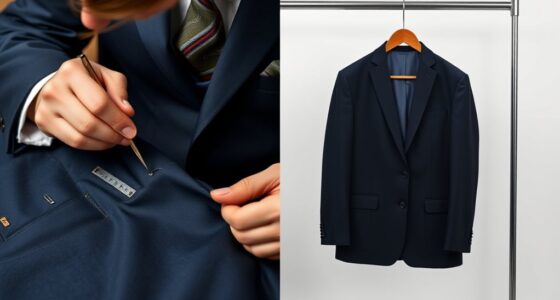

To spot a fake luxury item, start by feeling the materials and inspecting the craftsmanship—genuine products use high-quality leather, metals, and flawless stitching. Check the logo for precise design, font, and placement, and verify serial numbers and authenticity markings. Examine packaging for consistency and quality, and compare prices and seller reputations carefully. You can uncover more subtle details that distinguish real from counterfeit when you pay close attention to these signs.
Key Takeaways
- Examine material quality, craftsmanship, and weight to distinguish genuine luxury items from counterfeit fakes.
- Verify logo, branding, and label details for consistency, clarity, and accurate placement.
- Check serial numbers, authenticity markings, and accompanying documentation against official records.
- Inspect packaging quality, branding accuracy, and seller reputation for added verification.
- Be cautious of pricing anomalies and utilize technological tools and reputable sources for authentication.
Examine the Quality of Materials and Craftsmanship
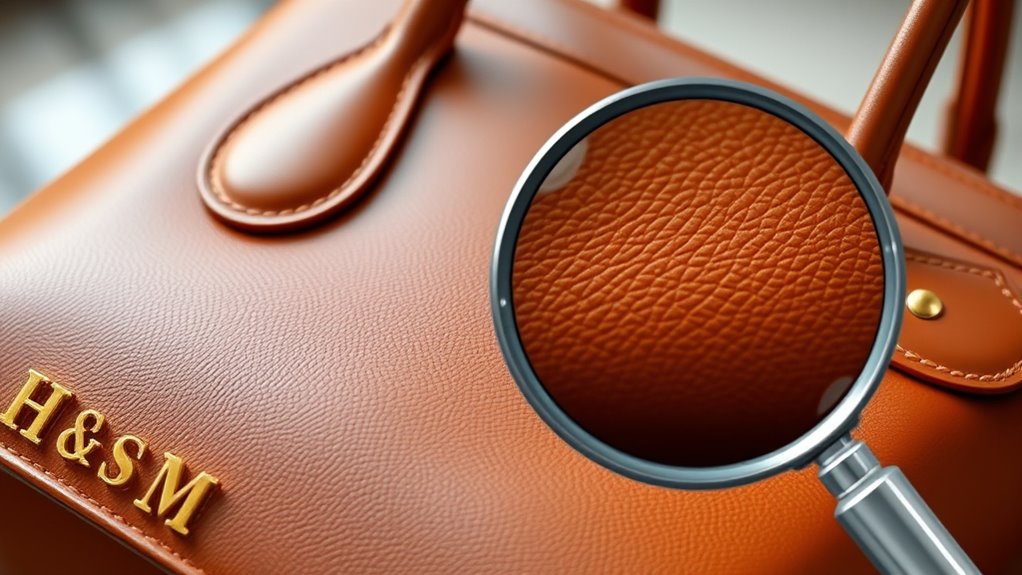
When evaluating luxury goods, the quality of materials and craftsmanship is the foundation of authenticity. Start with a careful material analysis—feel the texture, weight, and overall feel of the item. Genuine luxury pieces use premium materials like fine leather, high-grade metals, or pure silk, which are noticeably superior to counterfeit versions. Next, conduct a craftsmanship evaluation by inspecting the stitching, finishing, and construction. Authentic items display precise, even stitching without loose threads or glue marks. Look for symmetry and consistent quality throughout. Authentic luxury products are meticulously crafted, showing attention to detail that counterfeit items often lack. Additionally, material quality assessment involves checking for signs of wear or poor manufacturing that can indicate a fake. Paying close attention to unique design elements can also help identify genuine items, as authenticity often hinges on subtle, distinctive features. For example, authentic products often feature high-quality hardware that doesn’t tarnish or flake easily, which counterfeit items frequently fail to replicate accurately. Additionally, examining brand markings carefully can reveal inconsistencies or errors that are common in counterfeit goods. By thoroughly analyzing the materials and evaluating craftsmanship, you take essential steps toward confirming the item’s authenticity and avoiding fakes.
Inspect the Logo and Branding Details
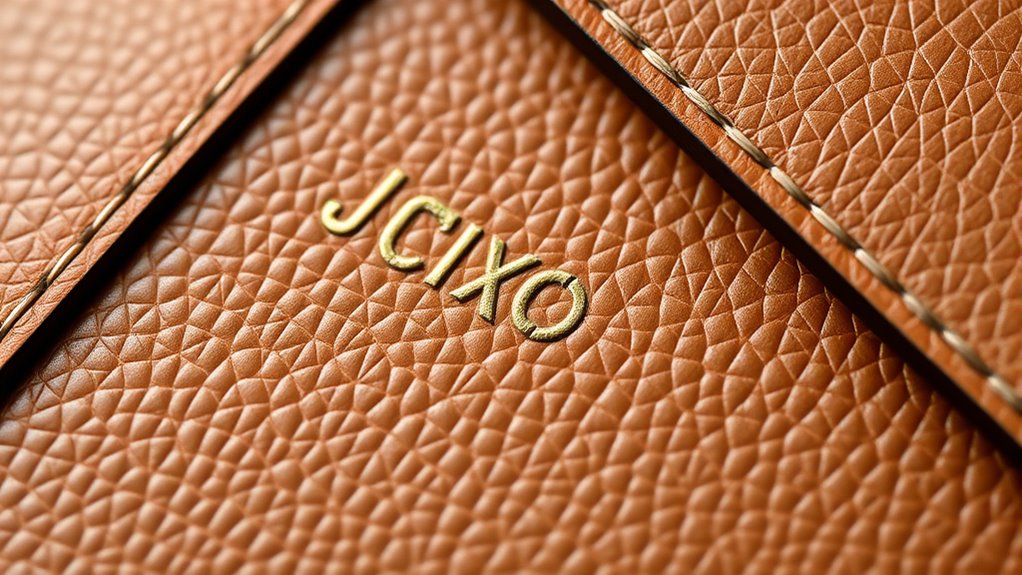
Inspecting the logo and branding details is essential because counterfeiters often replicate these elements with subtle inaccuracies. Pay close attention to the logo design, ensuring it matches the authentic version perfectly. Look for inconsistencies in font, spacing, and alignment—these are common signs of fakery. Check for branding consistency across all labels, tags, and embossments; genuine products maintain uniformity. Examine the logo’s placement, size, and color—any deviation could indicate a fake. Also, scrutinize the quality of the printing or engraving, as authentic items feature crisp, clean details. Be wary of blurry or uneven logos, as these are telltale signs of counterfeiting. Remember, authentic branding is precise and consistent, unlike the often sloppy reproduction on fake goods. Paying attention to branding elements can help you distinguish genuine items from copies. Additionally, familiarizing yourself with the authentic logo design can serve as a valuable reference during inspection. Recognizing subtle differences in manufacturing quality and attention to detail can further aid in identifying authentic products. A keen eye for material consistency also plays a crucial role in authentication.
Evaluate the Serial Numbers and Authenticity Markings

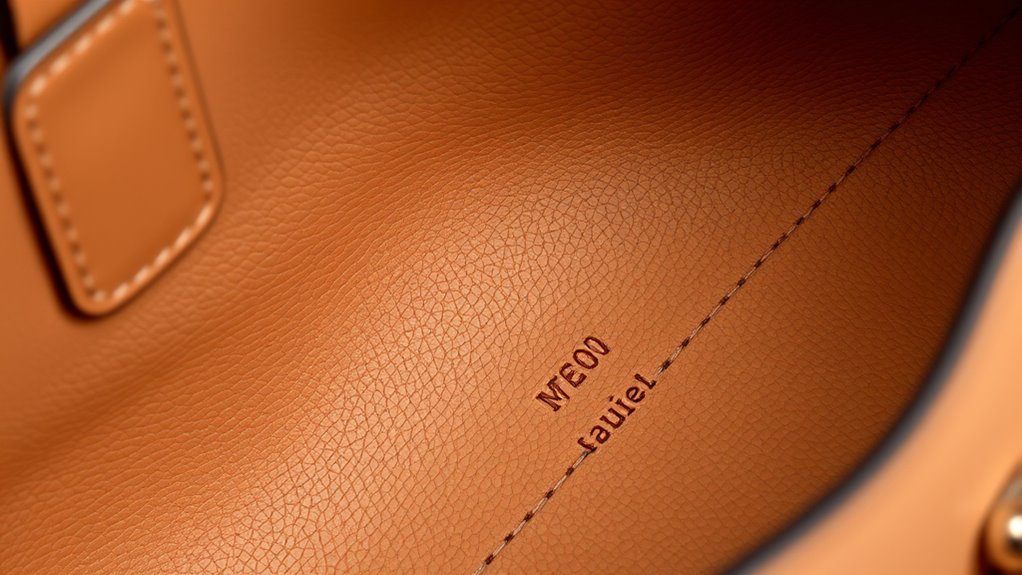
Have you checked the serial numbers and authenticity markings on your luxury item? Serial number validation is essential for confirming authenticity. Look closely at the serial number—genuine items usually have a unique, well-engraved code that matches official records. Verify the font, spacing, and placement; counterfeiters often make mistakes here. Next, analyze the authenticity markings, such as holograms, stamps, or logos. Authentic markings are precise, clear, and consistent with the brand’s standards. Use online databases or official brand resources to cross-check serial numbers. Be wary of any discrepancies, irregularities, or signs of tampering. Conducting thorough authenticity markings analysis helps you distinguish genuine products from fakes, giving you confidence in your purchase. Additionally, understanding product authentication methods and how they relate to privacy policies can further ensure your item’s legitimacy. Being familiar with luxury brand security features can also aid in identifying authentic items.
Check the Packaging and Accompanying Documentation

Start by closely inspecting the packaging for high-quality materials and flawless finishing, which are key indicators of authenticity. Next, verify any certificates or receipts to confirm they match the product and come from reputable sources. Additionally, check label details carefully, including fonts, logos, and serial numbers, to spot any inconsistencies or signs of tampering. Pay attention to authentic farmhouse decor, as counterfeit items often lack the craftsmanship and details found in genuine pieces. Furthermore, examining the safety features such as labels and tags can help ensure the product’s legitimacy and adherence to quality standards. Incorporating AI-powered verification tools can also assist in authenticating luxury goods more efficiently, especially when verifying luxury branding elements. Understanding brand signatures can further aid in distinguishing authentic items from fakes, ensuring your investment is secure.
Examine Packaging Quality
To verify the authenticity of luxury goods, carefully examining the packaging quality is essential. Look closely at the packaging design—authentic items feature precise, clean lines with high-quality materials. Check for branding consistency; logos should be perfectly aligned, evenly spaced, and free from misspellings. Pay attention to the following:
- The weight and texture of the packaging, which should feel sturdy and luxurious
- The quality of printing, ensuring no smudges or blurry images
- The presence of any embossed or engraved logos, indicating craftsmanship
- The accuracy of colors, which should match official brand standards
- Authentic packaging often includes well-sourced name coverage, reflecting careful attention to detail and quality control
- Additionally, examining packaging integrity can help identify signs of tampering or poor manufacturing, which are common in counterfeit products
- Recognizing manufacturing inconsistencies is key, as authentic packaging typically exhibits uniformity across all elements
- Consistent branding elements and material quality are strong indicators of genuine packaging, reinforcing the product’s authenticity
- Awareness of manufacturing standards can further assist in distinguishing authentic packaging from counterfeit versions.
Verify Authentic Certificates
Authentic certificates and accompanying documentation are key indicators of a genuine luxury item. When inspecting these materials, look closely for signs of counterfeit certificates that may mimic official documentation. Genuine certificates often feature high-quality printing, precise logos, and consistent fonts. Be wary of fake authentication marks that can appear on counterfeit certificates; these often look blurry, misspelled, or poorly embossed. Compare the certificate’s details with official records from the brand’s website or authorized retailers. Authentic certificates usually include serial numbers or holograms that match the product. If the documentation seems off, incomplete, or contains errors, it’s a strong sign you’re dealing with a fake. Always verify the certificate’s authenticity before making a purchase or accepting the item. Additionally, brand-specific authentication features can provide extra assurance of legitimacy. Incorporating authentication documentation into your verification process helps ensure you’re purchasing a genuine item and protects you from counterfeit products.
Inspect Label Details
How can you verify the packaging and documentation of a luxury item are genuine? Start by closely inspecting the label details. Look for label inconsistencies that might indicate a fake, such as misaligned text or blurry printing. Check for font discrepancies—authentic labels typically have consistent, crisp fonts that match the brand’s standard. Examine the packaging for high-quality materials and precise printing. Pay attention to the accompanying documentation; authentic certificates should have accurate spelling, clear logos, and proper formatting. Here are some key points to consider:
- Confirm the font style and size match official branding
- Look for any label inconsistencies or misspellings
- Ensure packaging quality feels premium and durable
- Verify certificates and documentation for accuracy and clarity
Assess the Weight and Feel of the Item
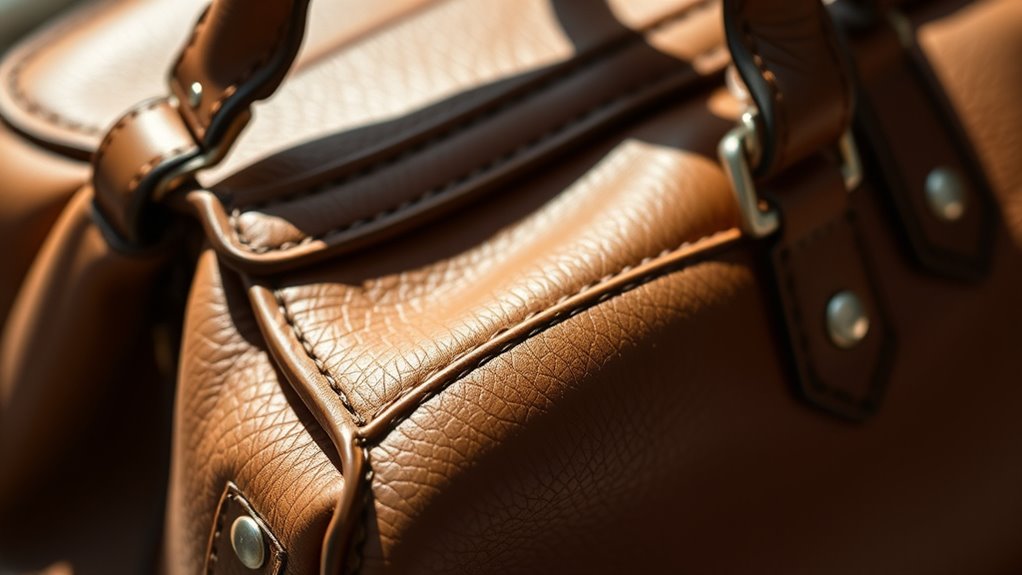
Feeling the weight and texture of a luxury item can reveal a lot about its authenticity. During your weight assessment, pay attention to whether the item feels substantial or surprisingly light. Genuine luxury goods are often crafted with dense, high-quality materials, giving them a solid, luxurious feel. Use tactile evaluation to examine the texture; authentic pieces typically have smooth, consistent surfaces with well-finished details. Fake items might feel flimsy, overly lightweight, or have rough, uneven surfaces. Trust your senses—if the item feels off compared to what you expect from the brand, it’s a red flag. Remember, genuine luxury goods balance weight and craftsmanship, so a proper tactile evaluation can help you spot counterfeits early in your authentication process.
Compare Pricing and Seller Reputation

When evaluating a luxury item, keep an eye on price discrepancies to spot potential fakes. Check the seller’s credibility through reviews and reputation to make certain you’re buying from a trustworthy source. Also, look for authenticity guarantees, as reputable sellers often offer proof of genuine products.
Price Discrepancies Matter
Why do price discrepancies matter when authenticating luxury goods? Because they can reveal if a product’s market value is genuine or artificially inflated. Fake items often have prices notably lower than retail or resale market standards, signaling something’s off. Conversely, prices that are unusually high may also raise suspicion. Keep in mind:
- Genuine luxury items typically maintain consistent pricing aligned with market value.
- Considerable gaps between listings may indicate counterfeit products.
- Comparing prices across reputable platforms helps identify anomalies.
- Be cautious of sellers with inconsistent pricing or overly discounted items.
Price discrepancies are a red flag; they help you spot fakes by revealing if a deal is too good to be true or overly inflated. Staying alert to these signs ensures you’re making safe, informed purchases.
Seller Credibility Checks
Evaluating a seller’s credibility is essential when authenticating luxury goods, especially by comparing pricing and reputation. A reputable seller will have a solid transaction history and consistent pricing aligned with market values. Be cautious if prices are markedly lower than retail—this often signals counterfeit items. To assess seller credibility, review their reputation and transaction history carefully.
| Seller Reputation | Pricing Consistency | Transaction History |
|---|---|---|
| Positive reviews | Fair market value | Many successful sales |
| Negative feedback | Unusually low | Few or no sales |
| Verified credentials | Slight discounts | Long-standing presence |
This table helps you quickly gauge trustworthiness and avoid scams. Remember, a trustworthy seller maintains transparency and a strong track record.
Authenticity Guarantees Offered
Authenticity guarantees can considerably boost your confidence in a seller’s legitimacy, especially when you compare their pricing with their reputation. Reputable sellers often offer authenticity guarantees that assure your purchase is genuine, which is vital for counterfeit prevention. Look for clear policies that state their commitment to authentic products. These guarantees may include money-back assurances or official certification. To evaluate, consider:
- Whether the seller provides verified authenticity certificates
- Their return and refund policies related to authenticity issues
- Customer reviews highlighting their authenticity guarantees
- The seller’s reputation for counterfeit prevention efforts
Trustworthy sellers stand behind their products, giving you peace of mind. Authenticity guarantees are a key indicator that a seller values genuine luxury goods and is committed to protecting you from counterfeit items.
Study the Stitching and Finishing Details
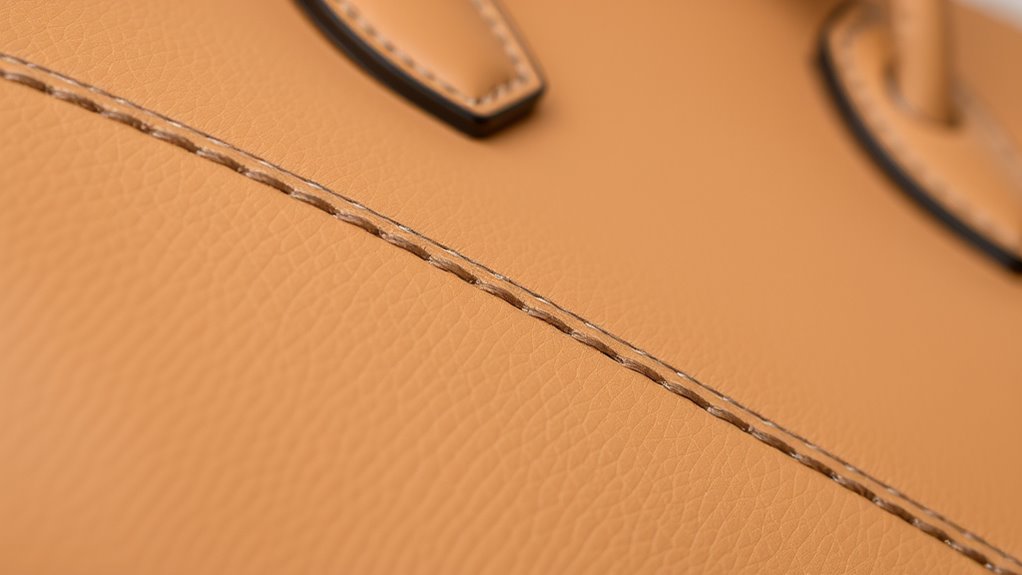
Carefully examining the stitching and finishing details is essential when authenticating luxury goods. Look closely at the stitch craftsmanship—high-end brands maintain consistent, tight, and even stitches without loose threads or irregularities. Authentic products often feature precise, symmetrical stitching that aligns perfectly with the design. Pay attention to finishing techniques as well; genuine luxury items showcase meticulous edges, smooth seams, and clean, well-executed details. The craftsmanship reflects the brand’s quality standards, so any uneven stitches, fraying, or sloppy finishing can indicate a fake. Genuine goods also use high-quality materials in their finishing, giving a polished, refined appearance. By scrutinizing these elements, you can better determine whether a piece is authentic or counterfeit.
Use Technology and Expert Resources for Verification
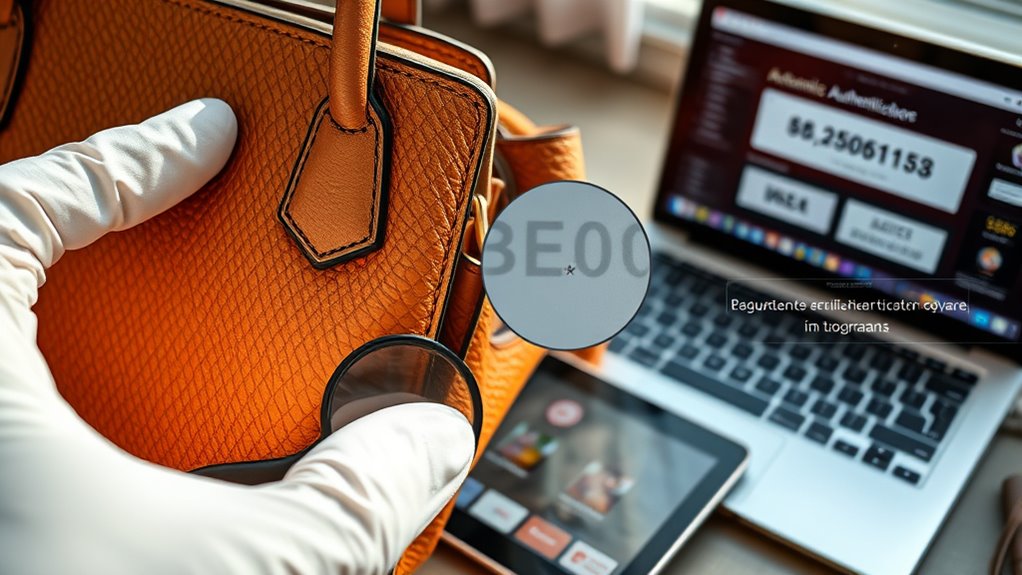
To effectively verify luxury goods, leveraging advanced technology and expert resources is essential. Blockchain verification provides a secure, unchangeable record of a product’s authenticity, making it easier to confirm legitimacy. AI pattern recognition analyzes minute details and compares them to known authentic items, catching fakes that might otherwise go unnoticed. Consulting industry experts or certified appraisers adds an extra layer of certainty, especially for high-value items.
Consider these tools:
- Blockchain records for proof of authenticity
- AI pattern recognition for detailed analysis
- Authenticity certificates and holograms
- Expert appraisals from certified specialists
Using these resources together boosts your confidence and helps you distinguish genuine luxury goods from counterfeits efficiently.
Frequently Asked Questions
How Can I Differentiate Between Genuine and Counterfeit Luxury Goods Online?
You can differentiate genuine from counterfeit luxury goods online by closely examining brand logos, ensuring they’re precise and consistent. Look at craftsmanship details like stitching, materials, and hardware—authentic items showcase high-quality craftsmanship. Trust reputable sellers and compare photos with official brand images. Be cautious of prices that seem too good to be true. Authentic luxury items maintain consistent branding and flawless craftsmanship, so if something feels off, it probably is.
Are There Specific Signs of Counterfeit Luxury Items in Limited Editions?
You can spot counterfeit limited edition luxury items by checking for inconsistent serial numbers or missing authenticity markings. Authentic limited editions usually have unique serial numbers that match official records, and the quality of the print should be sharp and precise. Counterfeits often lack these details or have poorly replicated serial numbers. Examine packaging and documentation carefully, as genuine limited editions come with detailed certificates that counterfeit products typically lack or poorly imitate.
What Common Mistakes Do Buyers Make When Authenticating Luxury Items?
Think of authenticating luxury goods as steering through a maze—you might rush, miss clues, and fall for false signs. You often make mistakes by relying solely on logos or packaging, ignoring details like stitching or hardware. Don’t underestimate the importance of brand reputation and counterfeit detection techniques. Taking your time, verifying authenticity through multiple sources, and understanding common counterfeit signs can help you avoid costly errors and confidently spot genuine items.
How Often Do Counterfeiters Update Their Methods to Bypass Authentication?
Counterfeiters frequently update their methods to bypass authentication, often leveraging new counterfeit technology and adapting their fraud detection techniques to stay ahead. You should stay vigilant because they continuously refine their tactics, making it essential to regularly educate yourself on the latest signs of fake luxury items. By understanding these evolving strategies, you can better identify counterfeit goods and protect your investments from sophisticated fraud schemes.
Can Social Media Seller Reviews Reliably Indicate Item Authenticity?
Social media seller reviews aren’t always reliable indicators of authenticity because fake reviews and influencer endorsements can skew perceptions. You should be cautious, as counterfeiters often post fake reviews to boost their credibility. Instead, focus on verified seller ratings, detailed product descriptions, and authentic influencer endorsements from trusted sources. Always verify the seller’s reputation independently, and avoid relying solely on social media reviews to determine if an item is genuine.
Conclusion
Think of authenticating luxury goods like charting a treasure map—you need every clue to find the real prize. By paying attention to materials, logos, serial numbers, and packaging, you’re uncovering the hidden secrets that distinguish genuine pieces from fakes. Trust your instincts and use expert tools when needed. With these steps, you’ll become a seasoned detective, ensuring your valuable finds are treasures, not tricks. Happy hunting!