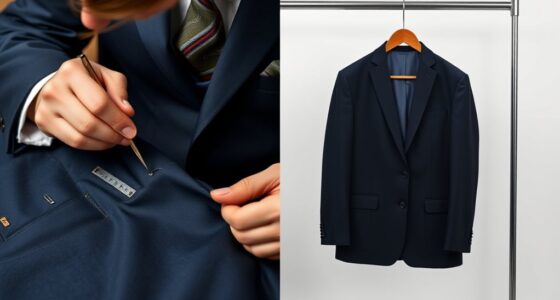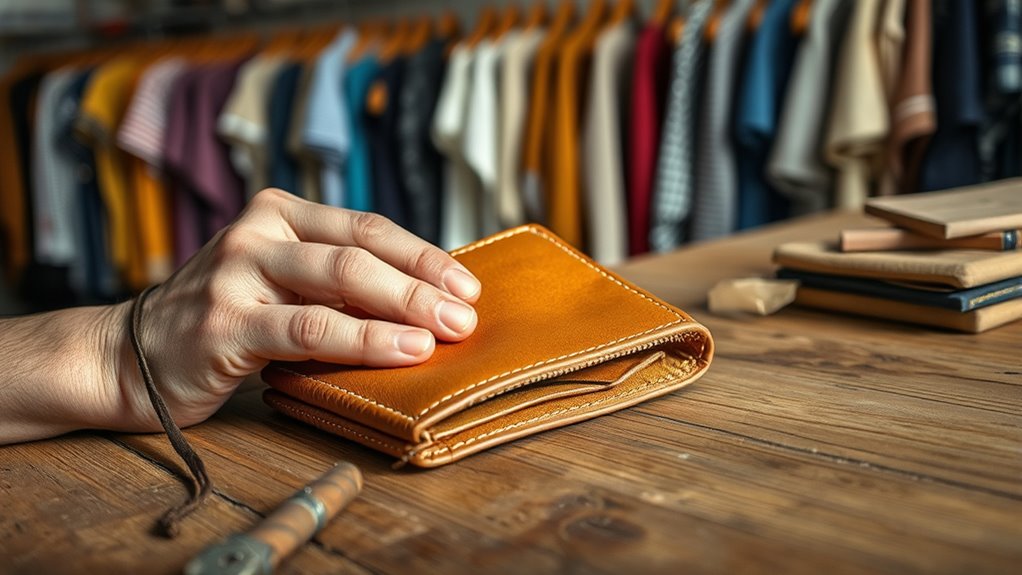

Fast fashion’s environmental damage and poor labor practices have pushed luxury brands to focus on craftsmanship and timeless quality. By emphasizing artisanal techniques, durable materials, and ethical sourcing, these brands offer products that last longer and maintain relevance beyond fleeting trends. If you want to discover how this shift impacts both sustainability and your style choices, keep exploring to see why more people are choosing quality over quantity.
Key Takeaways
- Luxury brands emphasize craftsmanship to differentiate from fast fashion’s mass-produced, low-quality items, fostering exclusivity and prestige.
- Skilled artisanship ensures durability and timeless design, appealing to consumers seeking sustainable, long-lasting products.
- Highlighting heritage and traditional techniques reinforces authenticity, supporting brand storytelling and emotional consumer connections.
- Craftsmanship elevates perceived value, allowing luxury brands to justify higher prices and foster customer loyalty.
- Emphasizing artisanal quality helps combat fast fashion’s environmental and ethical issues by promoting sustainable, responsible production.
The Environmental Impact of Fast Fashion
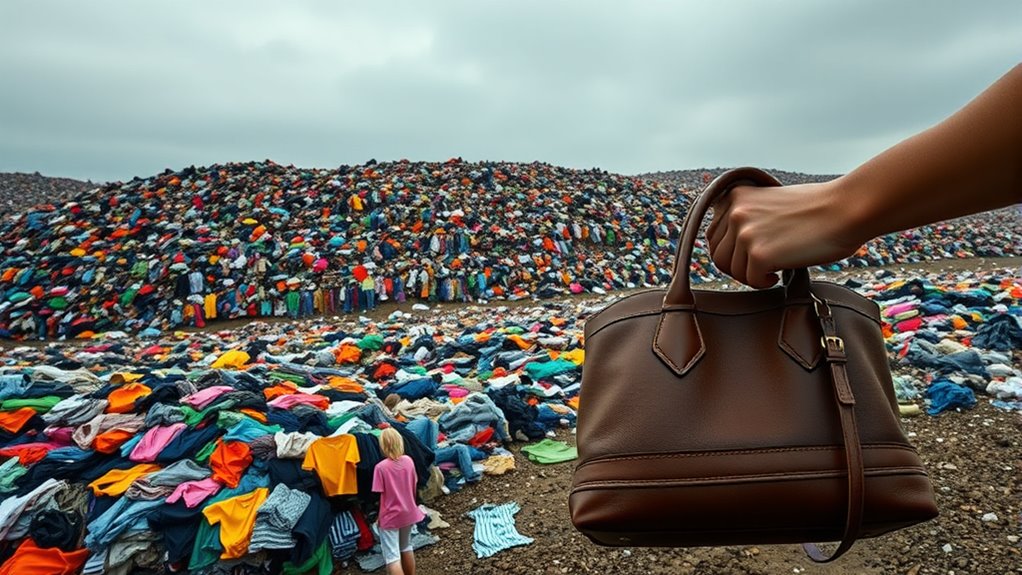
Fast fashion considerably harms the environment by encouraging rapid production and consumption of cheap clothing. This industry relies heavily on synthetic fibers like polyester, which are derived from fossil fuels, contributing to pollution and resource depletion. Mass production allows brands to churn out vast quantities of garments quickly and inexpensively, but this comes at an environmental cost. Synthetic fibers shed microplastics during washing, polluting oceans and harming marine life. The fast pace of production also leads to excessive waste, as clothes are discarded after minimal use. Additionally, the energy-intensive manufacturing processes increase carbon emissions, further accelerating climate change. Your consumer choices can influence this cycle, but understanding the environmental toll of fast fashion highlights the importance of sustainable alternatives. Moreover, the development of AI safety measures can help monitor and reduce the environmental impact of manufacturing processes.
Ethical Concerns and Labor Practices
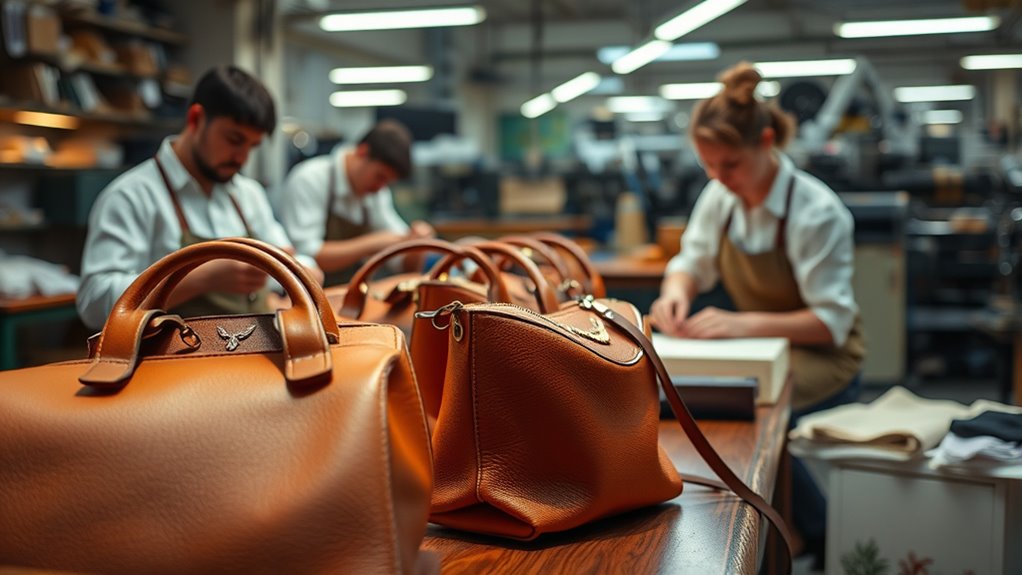
While the affordability of cheap clothing attracts consumers, behind the scenes, many fast fashion brands often overlook ethical concerns and labor rights. You may not realize that workers in sweatshop labor conditions face long hours, unsafe environments, and minimal pay. To make matters worse, some brands avoid fair trade certification, which ensures fair wages and safe working conditions. Here’s what you should know:
- Sweatshop labor is common in fast fashion, often involving exploited workers in developing countries.
- Lack of fair trade certification means brands might not prioritize ethical labor standards.
- Consumer awareness can pressure brands to improve labor practices and promote ethical manufacturing.
- The use of home furnishings like electric heated mattress pads has raised safety concerns when not used properly, highlighting the importance of ethical manufacturing and quality control. Additionally, ethical standards in production processes are crucial for ensuring fair treatment of workers and safe working environments.
- Implementing strict labor regulations and regular inspections can help improve working conditions across the industry. Furthermore, leveraging AI in Business can assist brands in monitoring compliance and enhancing transparency throughout their supply chains.
The Rise of Sustainable Fashion Movements
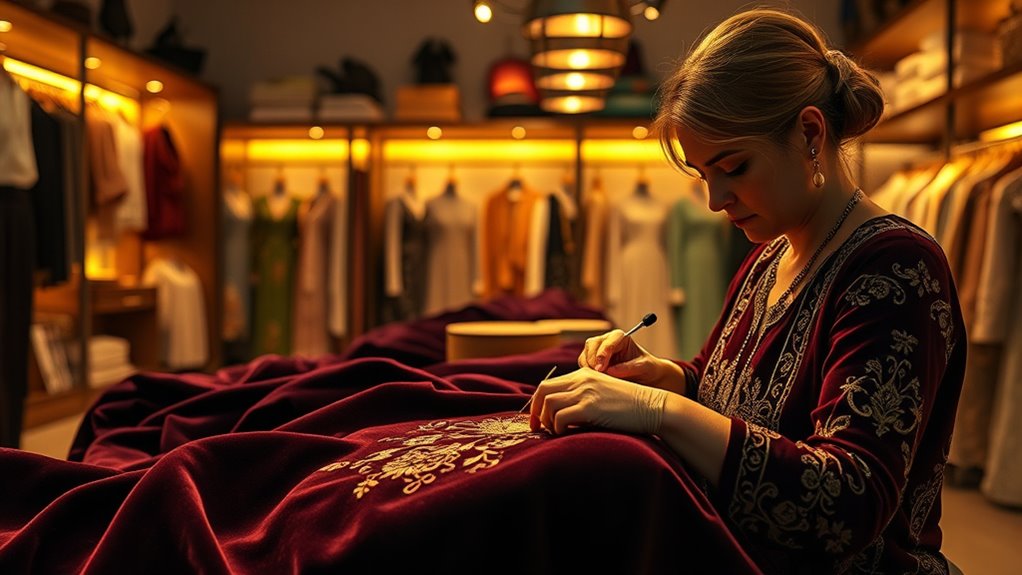
As awareness of the environmental and ethical impacts of fast fashion grows, more consumers are turning to sustainable fashion movements. You’re seeking brands that use recycled textiles to reduce waste and lower environmental impact. Eco-friendly dyes are also gaining popularity because they minimize water pollution and toxic chemicals. These movements prioritize transparency, encouraging you to choose products made with eco-conscious materials and ethical production practices. By supporting brands that emphasize sustainability, you contribute to reducing fast fashion’s harmful effects on the planet. Your choices promote a shift toward more responsible consumption, where quality, longevity, and environmental impact matter. This movement challenges the fast fashion model by emphasizing eco-friendly alternatives, giving you the power to make a positive difference with every purchase. Additionally, embracing self-awareness can help you better understand your values and align your shopping habits with your ethical beliefs. Recognizing the importance of transparency in supply chains can further empower you to make informed decisions and support brands committed to ethical practices. Incorporating sustainable production methods can also enhance your understanding of how materials are sourced and manufactured, further supporting your commitment to environmental responsibility. Understanding solar panel configurations and maintenance can guide you in adopting eco-friendly solutions in your home, reinforcing your dedication to sustainability.
The Craftsmanship Difference: Quality Over Quantity

Choosing quality over quantity means investing in pieces crafted with care and skill, rather than buying numerous cheaply made items. Luxury brands focus on meticulous fabric selection, ensuring each material is durable and luxurious. Skilled artisan training plays a pivotal role, allowing craftsmen to master techniques that elevate craftsmanship. When you prioritize quality, you benefit from:
Prioritizing quality means valuing craftsmanship and durable, luxurious fabrics over mass-produced, inexpensive items.
- Superior fabric selection that enhances durability and comfort
- Expert artisan training that guarantees precise, detailed work
- Timeless designs that last beyond fleeting trends
An emphasis on craftsmanship ensures that each item embodies the dedication and skill of trained artisans, resulting in products that stand the test of time. This approach results in garments that age well, maintaining their beauty over time. It’s about valuing craftsmanship, where every stitch and fabric choice reflects dedication and expertise. Incorporating ethical production practices also reinforces the importance of responsible creation within the luxury industry. Additionally, a focus on attention to detail highlights the meticulous process involved in creating high-quality pieces, ensuring each element is thoughtfully executed. Recognizing the artistry behind each piece deepens appreciation for the skill and passion invested in luxury manufacturing, ultimately elevating the value of well-made garments. Understanding the significance of self-watering plant pots can serve as a metaphor for the importance of quality and care in craftsmanship—providing consistent value over time. In the end, quality over quantity isn’t just about products—it’s about appreciating the artistry behind each piece.
How Luxury Brands Are Reclaiming Timelessness

Luxury brands are actively reemphasizing timelessness by shifting their focus from fleeting trends to enduring design principles. By prioritizing heritage preservation, they highlight their rich histories and craftsmanship, creating pieces that stand the test of time. Artisanal innovation plays a key role, blending traditional techniques with modern creativity to produce unique, lasting designs. Incorporating trusted custodians ensures the integrity of their creations and maintains high standards of quality. Emphasizing sound design in their branding and storytelling further reinforces their commitment to authentic, enduring value. Additionally, a focus on craftsmanship underscores their dedication to meticulous detail and expert skill, setting them apart in a competitive market. This approach also fosters a sense of timeless appeal, resonating with consumers seeking lasting style over transient fashion. Moreover, embracing heritage demonstrates their dedication to preserving artisanal techniques and reinforcing their brand identity.
Consumer Preferences Shifting Toward Durability
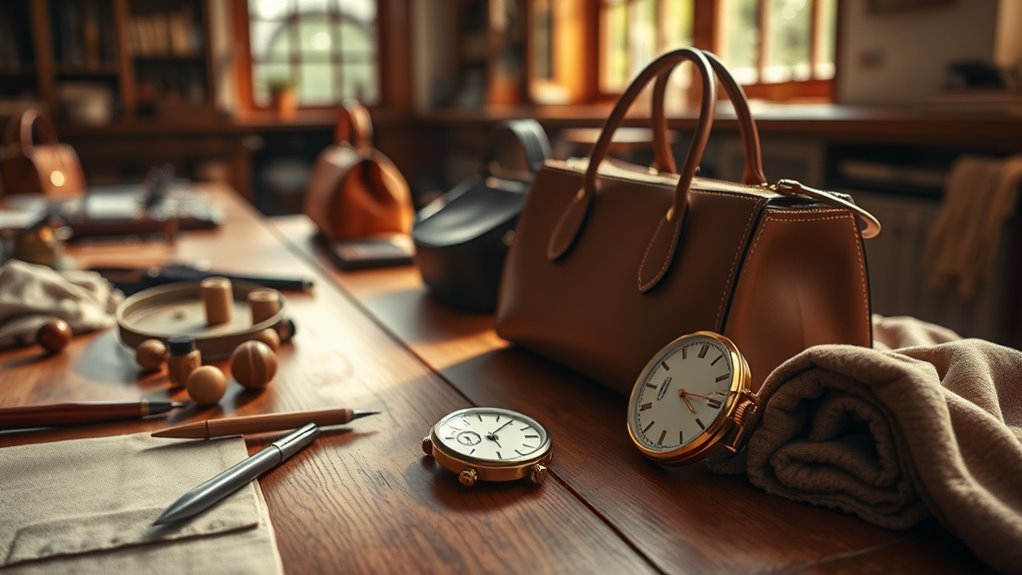
In recent years, consumers have become increasingly focused on durability when selecting fashion pieces, valuing longevity over fleeting trends. This shift is driven by a desire for sustainable sourcing and a need to build consumer loyalty through quality. To meet this demand, brands now prioritize:
- Using high-quality materials that withstand wear and tear
- Implementing transparent sourcing practices that guarantee durability and ethical standards
- Creating timeless designs that remain stylish over time
- Recognizing that attention and a deliberate creative practice can enhance craftsmanship and product longevity. Incorporating craftsmanship into production processes emphasizes meticulous detail and skillful execution, which in turn supports product durability and consumer trust. Additionally, emphasizing local manufacturing can reduce environmental impact and reinforce quality standards.
The Role of Artisanship in Modern Luxury
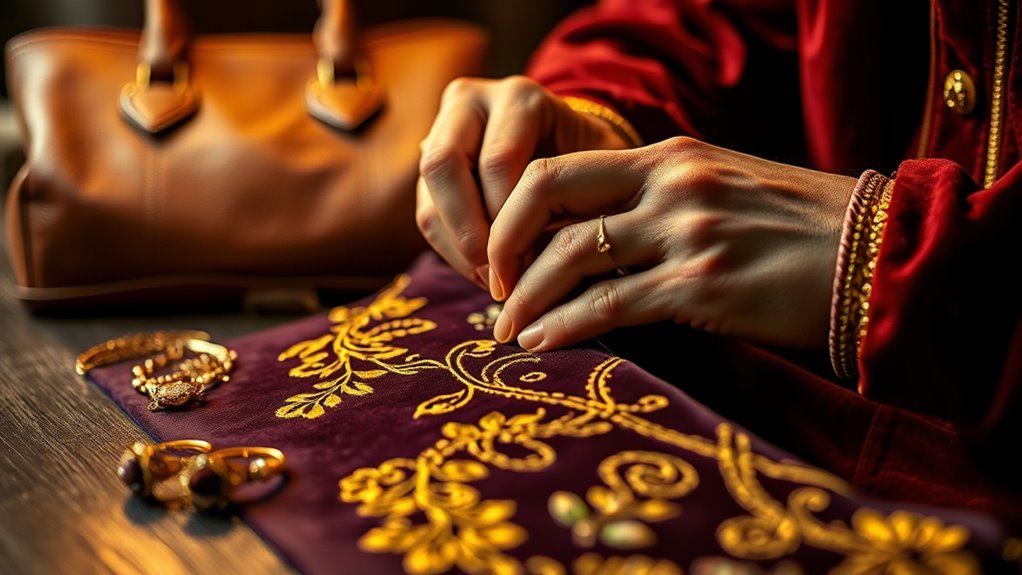
You can see how preserving traditional techniques adds authenticity and value to modern luxury brands. When artisanship is prioritized, it elevates the brand’s prestige and appeals to discerning consumers. Ultimately, embracing craftsmanship helps differentiate these brands in a crowded, fast-paced market.
Preserving Traditional Techniques
Why is preserving traditional techniques essential in today’s fashion industry? Because these methods uphold authenticity and sustain cultural heritage. By focusing on craftsmanship, you help maintain unique skills that define luxury. For example:
- Handwoven textiles create intricate, one-of-a-kind fabrics that elevate your collection.
- Traditional tailoring ensures garments fit perfectly and stand the test of time.
- Supporting artisans preserves age-old techniques and prevents their disappearance.
Luxury brands invest in these practices not just for quality but to tell a compelling story of craftsmanship. When you value these methods, you’re endorsing sustainability and cultural continuity. Embracing traditional techniques keeps the art alive, offering consumers meaningful, enduring pieces that transcend fleeting trends.
Enhancing Brand Prestige
Preserving traditional techniques not only safeguards cultural heritage but also considerably enhances a brand’s prestige in today’s luxury market. When you emphasize artisanship, you boost brand exclusivity, making your products feel unique and highly coveted. Craftsmanship storytelling allows you to communicate the rich history and meticulous skill behind each piece, fostering an emotional connection with your clients. This approach signals authenticity and dedication, setting your brand apart from fast fashion imitators. By showcasing the mastery of artisans, you elevate your reputation and reinforce the perception of quality and rarity. Ultimately, emphasizing artisanship isn’t just about craftsmanship; it’s about creating an aura of prestige that appeals to discerning consumers seeking timeless luxury over fleeting trends.
Challenges Faced by Traditional Craftsmanship

Traditional craftsmanship faces mounting challenges as fast fashion dominates the industry. One major hurdle is maintaining artisan storytelling, which connects consumers to the rich history behind each piece. Without this narrative, craftsmanship risks losing its unique appeal. Second, heritage branding becomes harder to preserve when mass production overshadows artisanal methods, threatening the authenticity that sets traditional artisans apart. *Finally*, the cost and time required for handcrafted items make it difficult to compete with fast fashion’s quick turnaround and low prices. As a result, many artisans struggle to sustain their craft in a market that favors speed over skill. These challenges threaten the survival of traditional craftsmanship, pushing brands to find new ways to emphasize craftsmanship’s value and heritage.
Making the Case for Investing in Quality Pieces
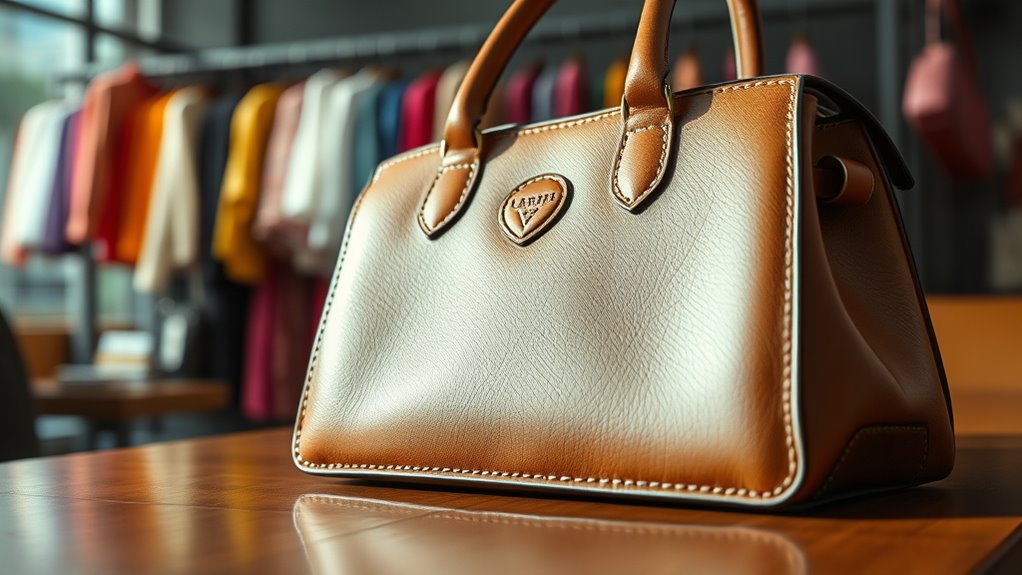
Investing in quality pieces means you get items that last longer and save you money over time. They also offer a timeless style that stays in fashion, so you can wear them for years. Plus, the craftsmanship behind quality pieces adds value and uniqueness that fast fashion simply can’t match.
Durability and Longevity
While fast fashion offers cheap and trendy options, they often lack the durability to withstand regular wear. Investing in quality pieces pays off because they last longer, saving you money over time. High-quality items are made with sustainable materials that resist wear and tear, reducing the need for frequent replacements. Additionally, they often feature repairability features that make fixing minor damages simple and affordable. Consider these benefits:
- Use of durable, sustainable materials that maintain their appearance over time
- Enhanced repairability features that extend the lifespan of your garments
- Overall better construction that withstands daily use without losing shape or quality
Focusing on durability means you’re investing in pieces that truly stand the test of time, making them a smarter, more sustainable choice.
Timeless Style Appeal
Choosing quality pieces means embracing timeless style that never goes out of fashion. When you invest in well-crafted items, you tap into a vintage revival of classic silhouettes that remain relevant across decades. These pieces aren’t fleeting trends; they become wardrobe staples you can enjoy repeatedly. Classic designs like tailored blazers, simple dresses, and clean lines elevate your style and offer versatile options for any occasion. Plus, their enduring appeal means you won’t need frequent replacements, saving money and reducing waste. Here’s a quick look at some timeless essentials:
| Item | Style Feature | Why It Lasts |
|---|---|---|
| Trench Coat | Classic silhouette | Versatile & durable |
| Cashmere Sweater | Timeless fabric | Soft & long-lasting |
| Leather Handbag | Vintage revival | Ages beautifully |
Invest wisely—your wardrobe will thank you.
Enhanced Craftsmanship Value
Opting for high-quality pieces means you’re prioritizing craftsmanship that stands out. This enhances the value of your wardrobe by focusing on durability and unique artistry. When you invest in items created through sustainable sourcing, you support environmentally responsible practices that reduce waste. Artisanal techniques add a level of detail and tradition that mass-produced fast fashion can’t match. Here’s why it matters:
- Longevity: Crafted with care, these pieces last longer, saving you money over time.
- Uniqueness: Handmade details make your wardrobe stand apart from generic trends.
- Ethical Impact: Supporting artisans and sustainable sourcing helps promote fair labor practices and environmental health.
Frequently Asked Questions
How Do Luxury Brands Ensure Authentic Craftsmanship?
Luxury brands guarantee authentic craftsmanship by adopting sustainable practices and emphasizing artisanal techniques. You can see this through their dedication to using high-quality materials and traditional methods, which require skill and precision. They often work with master artisans who pass down expertise through generations. By prioritizing craftsmanship over mass production, they maintain authenticity, ensuring each piece reflects exceptional quality, attention to detail, and a commitment to sustainable and ethical practices.
What Are the Long-Term Financial Benefits of Investing in Quality?
Investing in quality brings you long-term financial benefits by ensuring durable products that last longer, reducing replacement costs. When you prioritize sustainable sourcing and ethical labor, you support responsible practices that protect the environment and workers, enhancing brand loyalty and value. This commitment often allows luxury brands to command higher prices and foster customer trust, ultimately boosting profitability over time. Your investment in quality pays off through sustainability, reputation, and lasting consumer relationships.
How Does Craftsmanship Influence Brand Loyalty and Customer Satisfaction?
Your appreciation for craftsmanship can transform your loyalty into a nearly unbreakable bond. When brands prioritize sustainable sourcing and ethical labor, you feel valued and connected, boosting your satisfaction. This meticulous attention to detail and ethical commitment elevates your experience, making you see their products as more than just luxury—they’re a reflection of your values. Your trust deepens, turning you into a passionate advocate who champions craftsmanship at every turn.
Are There Specific Regions Known for Exceptional Artis Craftsmanship?
You’ll find exceptional artis craftsmanship in regions like Tuscany in Italy, renowned for leather goods, and the Provence area in France, famous for textiles and ceramics. These regional artisans form craftsmanship hubs that attract luxury brands seeking authentic quality. Traveling to these areas, you’ll experience firsthand how local traditions and skills shape the extraordinary craftsmanship that elevates luxury products, making them unique and highly valued worldwide.
How Do Luxury Brands Balance Tradition With Innovation?
Think of luxury brands as skilled dancers, blending tradition and innovation seamlessly. You see, they balance these by embracing sustainable sourcing and cultural preservation, which keeps their craftsmanship rooted yet fresh. By honoring age-old techniques while exploring new materials and designs, they stay relevant without losing authenticity. This harmony lets them innovate without sacrificing the rich heritage that makes their craftsmanship unique and admired globally.
Conclusion
As you shift your focus to quality over quantity, you’ll realize you’re not just making better choices—you’re sparking a revolution. Embracing craftsmanship and sustainable luxury isn’t just a trend; it’s a powerful movement that could save the planet from being buried under a mountain of fast fashion waste. When you invest in timeless pieces, you become part of a movement so impactful, it’s practically rewriting the future of fashion itself.