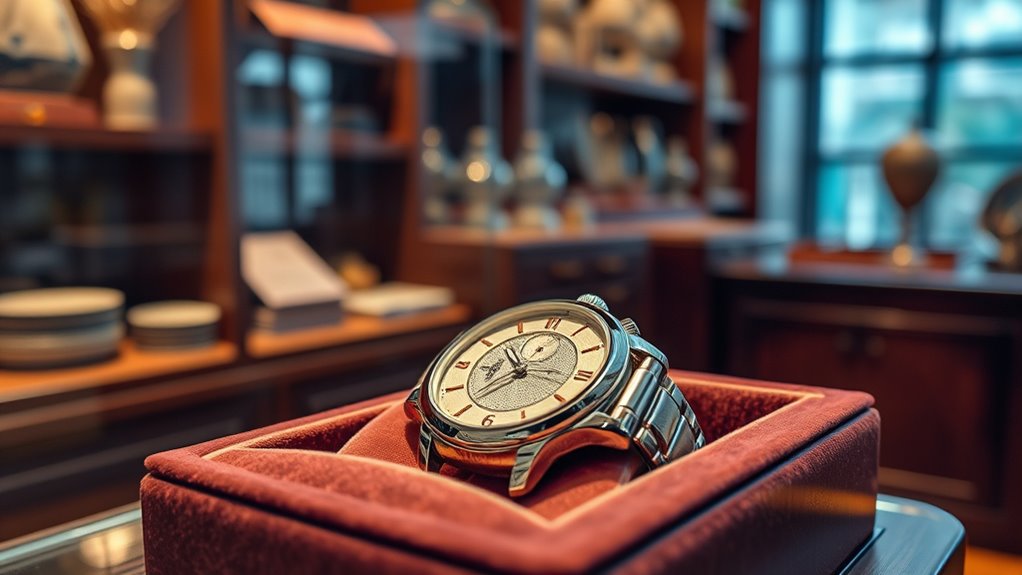

Luxury brands use storytelling to create emotional connections by highlighting their heritage, craftsmanship, and history, making their products feel authentic and meaningful. They craft aspirational lifestyles through celebrity endorsements and evocative visuals, inspiring desire and exclusivity. Sharing authentic stories builds loyalty and trust, setting brands apart from competitors. By understanding how visuals, symbols, and narratives shape perception, you’ll discover how these brands turn stories into powerful selling tools. Keep exploring to uncover more secrets behind their success.
Key Takeaways
- Luxury brands leverage heritage and cultural storytelling to create authenticity and emotional connections with consumers.
- They use aspirational narratives and celebrity endorsements to portray an elite, desirable lifestyle.
- Visual symbols and imagery evoke emotions, reinforce brand identity, and highlight rarity and craftsmanship.
- Sharing authentic craftsmanship stories build trust, emphasize quality, and deepen emotional loyalty.
- Compelling storytelling fosters emotional resonance, differentiates brands, and enhances perceived value, driving sales.
The Power of Heritage and History in Brand Narratives

Heritage and history give luxury brands a sense of authenticity that resonates deeply with consumers. When you recognize a brand’s cultural significance, you feel connected to its story and the broader history it represents. This connection isn’t just about prestige; it’s about preserving a legacy that has stood the test of time. Luxury brands leverage their rich pasts to reinforce their exclusivity and credibility. By showcasing their origins and milestones, they create a narrative of tradition and craftsmanship that elevates their appeal. This focus on legacy preservation signals to you that these brands are not fleeting trends but enduring symbols of quality and heritage, making their products more meaningful and desirable. Understanding the standards of Haute Couture helps consumers appreciate the level of artistry and dedication behind these stories. The importance of cultural storytelling in establishing a brand’s identity further enhances the emotional bond between the consumer and the product. Additionally, emphasizing their heritage preservation efforts demonstrates a commitment to maintaining their authenticity for future generations. Recognizing their brand storytelling strategies can deepen your appreciation for the craftsmanship and history embedded in luxury products. Emphasizing legacy storytelling also helps brands differentiate themselves in a competitive market, reinforcing their unique position and appeal.
Crafting an Aspirational Lifestyle Through Storytelling

Luxury brands craft their stories to paint a picture of an aspirational lifestyle that consumers desire. They leverage celebrity endorsements to showcase an elite, desirable image, making it feel attainable yet exclusive. Social media campaigns amplify this narrative, allowing you to see real-life moments of luxury that evoke aspiration. When a celebrity shares their experience or wears a brand’s product, it reinforces the idea that owning these items grants access to a glamorous world. These stories don’t just sell a product; they sell a lifestyle—one filled with elegance, success, and sophistication. By carefully curating content that highlights celebrity influence and aspirational moments, luxury brands make you envision yourself living that elevated life, motivating you to aspire, connect, and ultimately purchase. Additionally, they often incorporate mindful decluttering strategies to emphasize the importance of quality over quantity, encouraging consumers to invest in timeless pieces that enhance their sophisticated image. This approach not only elevates the perceived value of their offerings but also aligns with the desire for timeless elegance that appeals to discerning buyers.
Utilizing Visuals and Symbols to Evoke Emotion
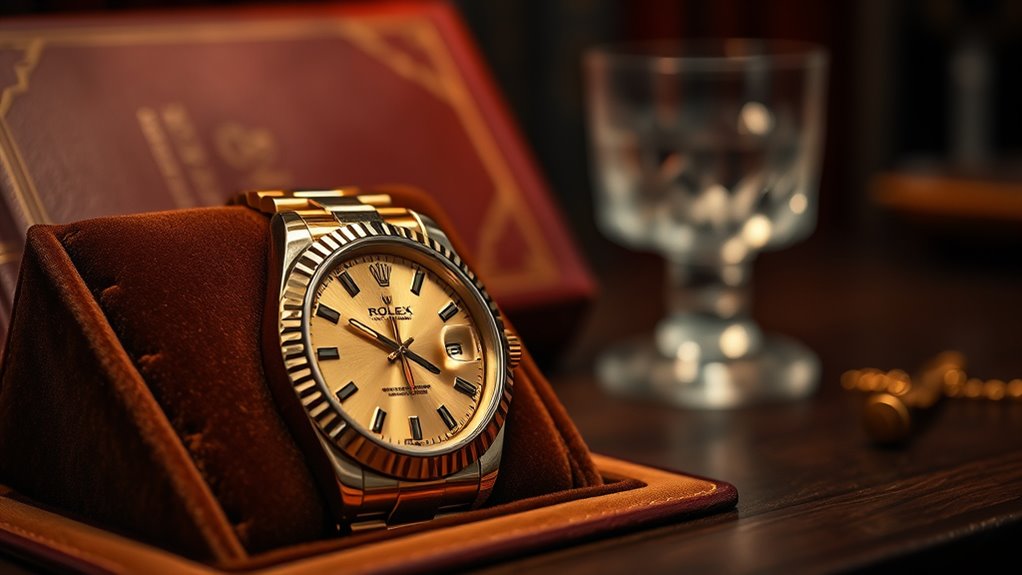
Brands often rely on powerful visuals and symbols to create an emotional connection with their audience. By leveraging visual symbolism, they evoke feelings that resonate deeply, making their stories memorable. Emotional imagery, carefully crafted, transports you into a luxurious world, stirring desires and aspirations. These visuals aren’t random; they’re intentional tools to communicate values and evoke specific emotions. Incorporating visual storytelling enhances the emotional impact, turning imagery into compelling narratives that foster loyalty and desirability. Additionally, understanding the significance of visual symbolism helps brands craft more meaningful and impactful stories. Consider these elements:
- Iconic logos that symbolize prestige and exclusivity
- Color palettes that evoke elegance and sophistication
- Scenic imagery that suggests heritage and timelessness
- Symbols of craftsmanship and artistry
- Visual motifs that imply rarity and desirability
Using these tools, brands forge a strong emotional response, turning simple visuals into powerful storytelling devices that foster loyalty and desirability. Recognizing how visual cues influence perceptions can deepen the emotional resonance of a brand’s story and enhance its overall appeal. Incorporating diverse crochet styles for locs can also reflect a brand’s unique identity and cultural significance, further enriching their storytelling approach. Exploring branding strategies that utilize these visual elements can lead to more effective consumer engagement.
Building Loyalty by Sharing Authentic Craftsmanship Stories

Have you ever wondered what truly fosters deep loyalty among discerning customers? Sharing authentic craftsmanship stories builds that connection. When you highlight the skill, tradition, and care behind your products, you reinforce your brand’s authenticity. This transparency creates emotional engagement, making customers feel part of something genuine. To deepen this bond, consider how different aspects of craftsmanship resonate:
| Craftsmanship Element | Customer Impact |
|---|---|
| Handcrafted Details | Perception of uniqueness |
| Heritage Stories | Emotional connection |
| Quality Materials | Trust in product longevity |
| Skilled Artisans | Respect for tradition |
| Production Process | Transparency and authenticity |
The Impact of Storytelling on Consumer Perception and Sales

Storytelling has a powerful impact on how consumers perceive your products and brand. When you craft compelling narratives, you foster emotional resonance that deepens connections and builds trust. Authentic stories showcase your brand’s values, reinforcing brand authenticity and differentiating you from competitors. A well-told story can turn a simple purchase into an emotional experience, encouraging loyalty and repeat business. The influence of storytelling extends beyond perception; it directly affects sales by creating memorable impressions. To maximize this impact, focus on:
Storytelling deepens brand trust and drives sales through authentic, emotional narratives.
- Evoking genuine emotions through relatable stories
- Highlighting your brand’s unique heritage and values
- Creating a sense of exclusivity and aspiration
- Building a narrative that aligns with consumer desires
- Reinforcing authenticity to foster long-term loyalty
- Incorporating cybersecurity measures in your brand’s storytelling can further build trust and protect customer data, enhancing your reputation. Additionally, understanding market dynamics, such as currency fluctuations and global economic indicators, can help tailor your stories to resonate with diverse audiences and strengthen your brand’s position in the international marketplace. Recognizing the importance of cultural awareness in storytelling ensures your brand remains respectful and relevant across different regions, especially when addressing complex issues like asset division in various legal and cultural contexts.
Frequently Asked Questions
How Do Luxury Brands Select Which Stories to Tell?
You select stories that highlight your brand heritage, emphasizing craftsmanship, history, and exclusivity. Authentic storytelling is key, so you focus on genuine narratives that resonate emotionally and reinforce your luxury image. You choose stories that reflect your values and unique identity, ensuring they feel real and compelling. By doing this, you create a strong connection with your audience, making your brand memorable and desirable through authentic storytelling.
What Role Does Exclusivity Play in Storytelling Strategies?
Exclusivity is central to your storytelling strategy because it enhances brand loyalty and shapes consumer perception. When you highlight limited editions or unique craftsmanship, you make your audience feel special and privileged. This sense of exclusivity encourages consumers to associate your brand with status and rarity, strengthening their emotional connection. By emphasizing that your products are reserved for a select few, you reinforce the idea that owning them elevates their social standing.
How Do Storytelling Techniques Vary Across Different Luxury Sectors?
Imagine each luxury sector as a different language where storytelling techniques adapt like dialects. You’ll notice fashion brands emphasize cultural nuances and vivid visual symbolism to evoke emotion, while jewelry brands focus on timeless elegance through storytelling that highlights craftsmanship. In automotive luxury, stories often highlight innovation and heritage. By tailoring these techniques, you connect deeply with your audience, making your brand resonate across diverse markets and cultures.
Can Storytelling Influence Purchasing Decisions for Non-Luxury Consumers?
Yes, storytelling can influence your purchasing decisions even if you’re not a luxury consumer. When a brand creates an emotional appeal through compelling stories, it resonates with you personally, building a connection. This emotional bond fosters brand loyalty, making you more likely to choose that brand repeatedly. Effective storytelling taps into your feelings, making products memorable and influencing your buying choices beyond luxury markets.
How Do Brands Measure the Success of Their Storytelling Campaigns?
You measure storytelling success through consumer engagement—watching how your audience interacts with your narrative, whether through social media, website visits, or event participation. Changes in brand perception, like increased trust and loyalty, also serve as key indicators. When consumer engagement rises and brand perception shifts positively, it shows your story resonates, building a stronger emotional connection that ultimately drives sales and long-term loyalty.
Conclusion
By weaving rich stories rooted in heritage and craftsmanship, you create a compelling emotional connection that elevates your brand. When you craft an aspirational lifestyle with powerful visuals and symbols, you foster loyalty and trust. Did you know that 70% of luxury buyers say storytelling influences their purchase decisions? Embracing authentic narratives not only enhances perception but also boosts sales, proving that a well-told story truly is your most valuable asset in the luxury market.