

Old money lifestyles focus on understated elegance, preserving family heritage with classic fashion, historic estates, and discreet wealth display. In contrast, new money often embraces bold luxury, flashy fashion, and modern properties to showcase success. Their social circles and giving habits differ too—old money values tradition and privacy, while new money seeks attention through conspicuous displays of wealth. Exploring these differences reveals how tradition and innovation shape their distinct approaches to luxury and social standing.
Key Takeaways
- Old money prefers understated luxury, emphasizing tradition, subtlety, and timeless designer brands, while new money often displays bold, trendy, and conspicuous wealth.
- Old money’s real estate choices include historic estates and established neighborhoods, whereas new money favors modern, high-profile properties in trendy districts.
- Spending habits of old money focus on long-term security and discreet investments, contrasting with new money’s willingness to spend lavishly on visible, statement pieces.
- Social networks for old money revolve around exclusive, tradition-based circles emphasizing heritage, while new money seeks visibility through high-profile events and branding.
- Philanthropy by old money tends to be behind-the-scenes and legacy-focused, whereas new money often makes public, high-impact charitable donations.
Historical Roots and Family Heritage
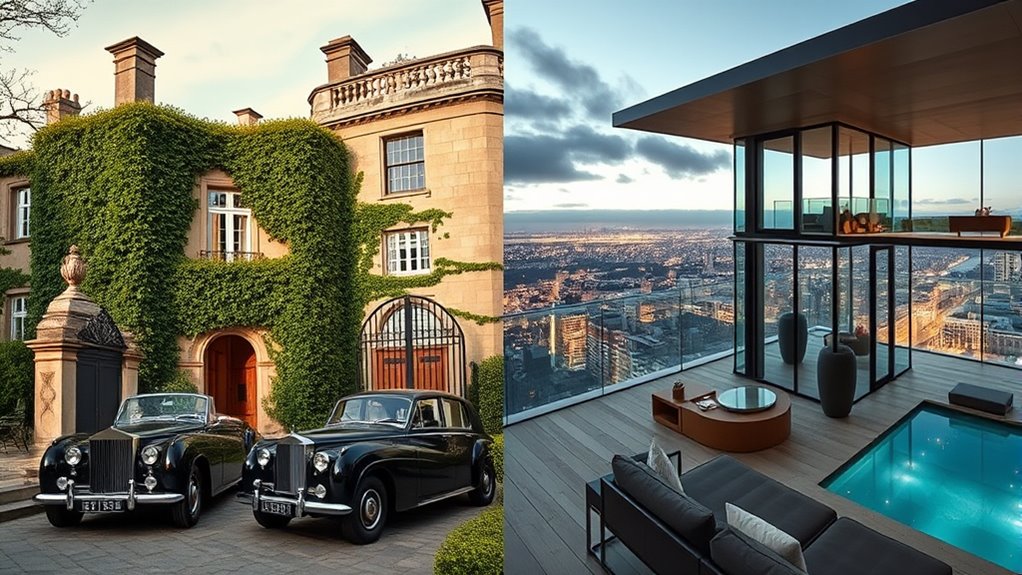
Have you ever wondered why old money families often emphasize their long-standing heritage? It’s because their identity is deeply rooted in family lineage and ancestral estates. These families take pride in preserving their history, passing down traditions that date back generations. Their ancestral estates aren’t just properties; they symbolize stability, legacy, and social standing. By maintaining these estates, they reinforce their connection to the past and demonstrate a commitment to continuity. This history shapes their approach to wealth, emphasizing tradition over novelty. Old money families view their heritage as a cornerstone of their status, making it a point to protect and honor their lineage. In fundamental terms, their rich history is what separates them from newer wealth, anchoring their identity in centuries of established tradition. Additionally, they often focus on heritage preservation to ensure that their family legacy endures for future generations. Preserving these traditions and properties also often involves cultural heritage, which strengthens their social identity and community standing. Their emphasis on legacy building further distinguishes them from those with newer wealth, highlighting the importance of long-term stability over fleeting trends. Moreover, their focus on intergenerational wealth transfer ensures that their influence and status are maintained over time. Recognizing the importance of family reputation, they actively work to uphold their social standing through various philanthropic and societal contributions.
Approach to Wealth and Spending
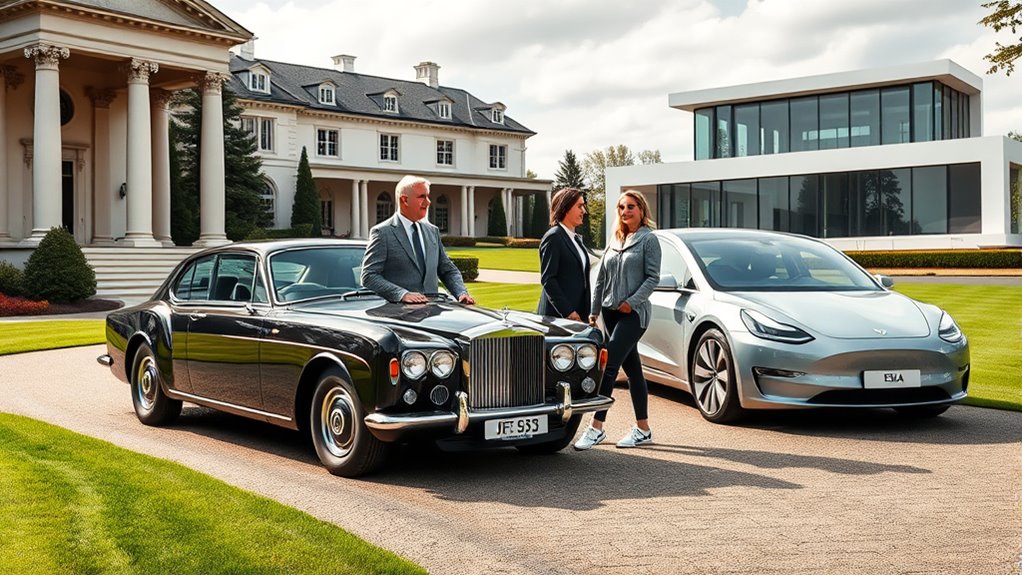
Old money families tend to approach wealth with a focus on preservation and understated spending, reflecting their long-standing values. They prefer subtle luxury over flashy displays, often opting for discreet investments like luxury travel that emphasizes quality and exclusivity. Instead of splurging on ostentatious items, they attend exclusive events that value tradition and privacy. Their spending habits prioritize long-term security, avoiding unnecessary extravagance. You might find them choosing refined experiences over material excess, appreciating the craftsmanship behind their investments. When it comes to luxury travel, they favor elegant, less crowded destinations, emphasizing comfort and cultural richness. Attending exclusive events is about maintaining social connections rooted in heritage, not showing off wealth. This approach underscores a disciplined, thoughtful attitude toward money that has been passed down through generations. Additionally, their investment strategies often focus on heritage assets and family holdings that sustain their legacy over time. Choosing investments that reflect their values often includes heritage assets, which serve to preserve their cultural identity and social standing. Furthermore, their careful selection of discreet luxury options highlights their preference for unostentatious displays of wealth over conspicuous consumption. They also tend to favor timeless elegance in their possessions and lifestyle choices, reinforcing their commitment to tradition over trends.
Style and Fashion Preferences
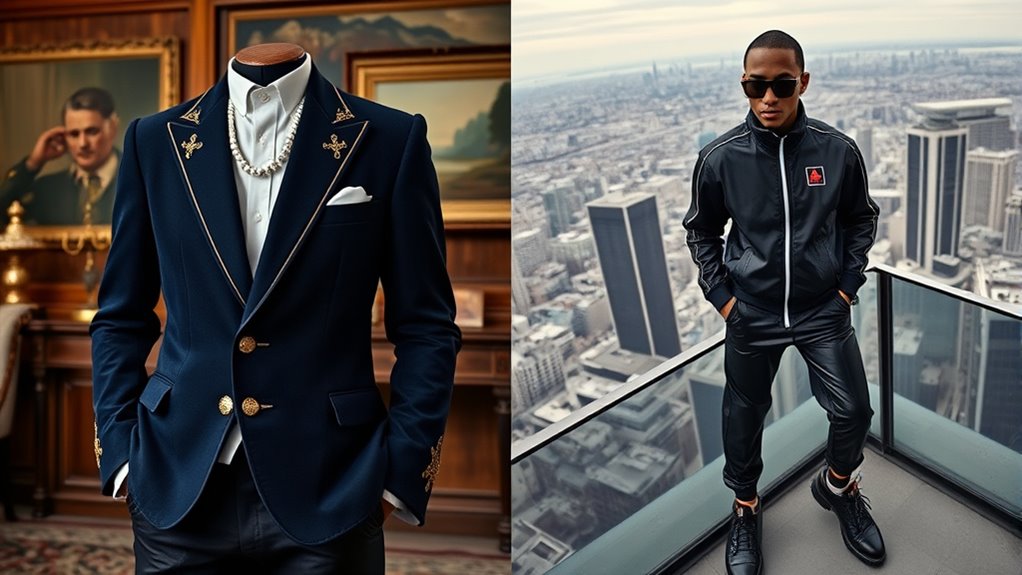
You notice that old money tends to favor classic, understated attire, while new money often embraces trendy, bold fashion choices. Preference for designer labels can vary, with old money opting for timeless pieces and new money chasing the latest brands. These style differences reflect their contrasting approaches to making a statement, whether subtle or attention-grabbing. Additionally, the rise of sustainable and personalized jewelry showcases evolving tastes, with both groups integrating unique accessories that express their individual identities. The influence of haute couture on luxury fashion also highlights these distinctions, as old money may prefer bespoke, intricate designs, whereas new money might favor innovative or statement pieces. Such preferences exemplify how luxury consumption can serve as a reflection of social identity and cultural values, especially when considering the importance of personalized decor in expressing individual taste and status. Furthermore, understanding the impact of currency fluctuations can influence how affluent individuals approach international luxury shopping and investments.
Classic vs. Trendy Attire
Classic attire often reflects timeless elegance and a preference for quality over fleeting trends, appealing to those who value tradition and subtle sophistication. You favor bespoke tailoring, ensuring your clothes fit perfectly, and often accessorize with vintage accessories that tell a story. Your wardrobe includes pieces that stand the test of time, focusing on understated refinement. In contrast, trendy attire revolves around current styles, often shifting with fashion cycles. Here’s a comparison:
| Aspect | Classic Attire | Trendy Attire |
|---|---|---|
| Accessories | Vintage accessories | Fast fashion jewelry |
| Tailoring | Bespoke tailoring | Mass-produced fits |
| Style Longevity | Timeless, enduring | Short-lived, seasonal |
| Fashion Focus | Tradition and quality | Innovation and trends |
Your style reflects a commitment to lasting elegance, far from fleeting fads.
Designer Labels Preference
When it comes to designer labels, style and fashion preferences reveal a lot about your approach to dressing. If you lean toward luxury brand loyalty, you likely prefer established labels with a storied history, valuing timeless quality over fleeting trends. These brands often emphasize designer label exclusivity, making their pieces feel rare and special. You might favor subtle logos and understated elegance, reflecting a refined taste rooted in tradition. Conversely, if you’re more experimental, you might choose newer or less mainstream labels that push boundaries. Your selection reveals your desire for limited-edition artwork or tradition, shaping your overall luxury lifestyle. Additionally, understanding the odor associated with some products or materials can sometimes influence your choices, as scent can be subtly linked to the perception of quality and authenticity. Embracing the role of attention in your fashion choices can deepen your appreciation for craftsmanship and detail. Paying close attention to detail in design and material selection allows you to recognize true quality and craftsmanship. Recognizing the importance of brand reputation can further inform your selections and ensure authenticity. Whether driven by loyalty or the thrill of exclusivity, your choice of designer labels speaks volumes about your identity and approach to fashion.
Subtle vs. Bold Statements
Choosing between subtle and bold fashion statements reveals much about your personality and how you want others to perceive you. If you prefer subtlety, you might opt for classic pieces that echo understated luxury, matching your taste for a refined luxury car or a discreet private jet. Your style communicates confidence without shouting for attention. Conversely, a bold statement—bright colors, oversized accessories, or logos—signals a desire to stand out, much like driving a flashy luxury car or arriving in a striking private jet. This approach often aligns with new money sensibilities, emphasizing visibility and immediacy. Whether you lean toward subtle elegance or bold expressions, your style choices reflect your approach to wealth and how you wish to be perceived in the world of luxury.
Social Circles and Networking

Old money social circles often revolve around longstanding family connections and exclusive memberships, creating a network rooted in tradition and stability. You’ll find that attending members-only events and exclusive social clubs is common, fostering close-knit relationships built over generations. Networking etiquette in these circles emphasizes discretion, humility, and respect for tradition. As you navigate these circles, you’ll notice that conversations tend to focus on heritage, arts, and philanthropy, rather than material displays. Your reputation and manners matter more than flashy wealth, shaping your influence within these elite networks. Building trust takes time, and your connections often serve as lifelong alliances. This environment prioritizes subtlety and mutual respect, creating a stable, enduring social fabric that’s less about quick gains and more about lasting relationships. Social etiquette plays a crucial role in maintaining harmony and respect within these exclusive groups. Additionally, understanding the importance of family heritage can deepen your appreciation for the longstanding traditions that underpin these social circles.
Moreover, many of these circles value the importance of discretion and privacy, which helps preserve the integrity and exclusivity of their social interactions.
Real Estate and Property Choices

In elite social circles, your choice of real estate reflects your heritage and status just as much as your manners or connections. Old money families often favor timeless luxury real estate—historic estates and stately mansions—showcasing tradition and stability. In contrast, new money individuals might invest in modern luxury real estate, such as sleek penthouses or innovative properties, signaling contemporary success. Consider this imagery:
| Old Money | New Money |
|---|---|
| Grand, historic estate, lush gardens | Cutting-edge city penthouse, skyline view |
| Classic architecture, preserved details | Modern design, minimalist appeal |
| Prime, established neighborhoods | Up-and-coming districts, trendy areas |
| Family-owned, inherited properties | Flipping and property investments |
| Timeless elegance, understated luxury | Bold, statement-making aesthetics |
Your property choices reveal your approach to wealth—whether rooted in tradition or driven by innovation.
Attitudes Toward Tradition and Innovation

You might find that old money values tradition and respect their heritage, while new money often embraces modern trends. Still, many successful families try to balance change with their roots to stay relevant. How you view tradition and innovation shapes your attitude toward progress and preservation.
Respect for Heritage
Respect for heritage deeply influences how old and new money approach tradition and innovation. For old money, legacy preservation is a core value; they take pride in maintaining ancestral estates, heirlooms, and family customs, viewing these as symbols of stability and continuity. Ancestral pride fuels their commitment to honoring traditions, ensuring that their heritage remains intact for future generations. In contrast, new money may respect tradition but often feels less bound by it, focusing instead on building a modern identity. They might incorporate heritage into their lifestyle, but the emphasis is typically on innovation and personal achievement. Both groups recognize the importance of legacy, but old money’s respect for tradition manifests as a careful stewardship, while new money tends to blend heritage with contemporary expression.
Embracing Modern Trends
While old money meticulously preserves tradition, embracing modern trends reflects a willingness to adapt and innovate. You’ll find that new money often incorporates luxury tech into daily life, prioritizing convenience and cutting-edge design. Modern art also plays a key role, showcasing a desire to stay current and challenge conventions. This openness to innovation signals a shift from purely honoring heritage to actively participating in contemporary culture. Instead of solely valuing classic pieces, you may invest in sleek gadgets or avant-garde artworks that push boundaries. Embracing these trends doesn’t mean abandoning tradition; it’s about blending the old with the new to create a dynamic, forward-looking lifestyle. You appreciate the power of innovation to enhance luxury, making your experience both sophisticated and relevant.
Balancing Change and Tradition
Balancing change and tradition requires a mindful approach that honors the past while embracing the future. You might preserve a cherished art collection that reflects your heritage, yet stay open to acquiring contemporary pieces that showcase innovation. When it comes to luxury travel, you can appreciate timeless destinations while exploring new, avant-garde experiences. This balance allows you to maintain a sense of continuity, respecting your roots, while also adapting to modern tastes and trends. By integrating tradition into your lifestyle with a touch of innovation, you create a unique identity that resonates with both old and new money values. Ultimately, this harmony enhances your appreciation for heritage and progress, ensuring your luxury lifestyle remains authentic yet dynamic.
Philanthropy and Social Responsibility
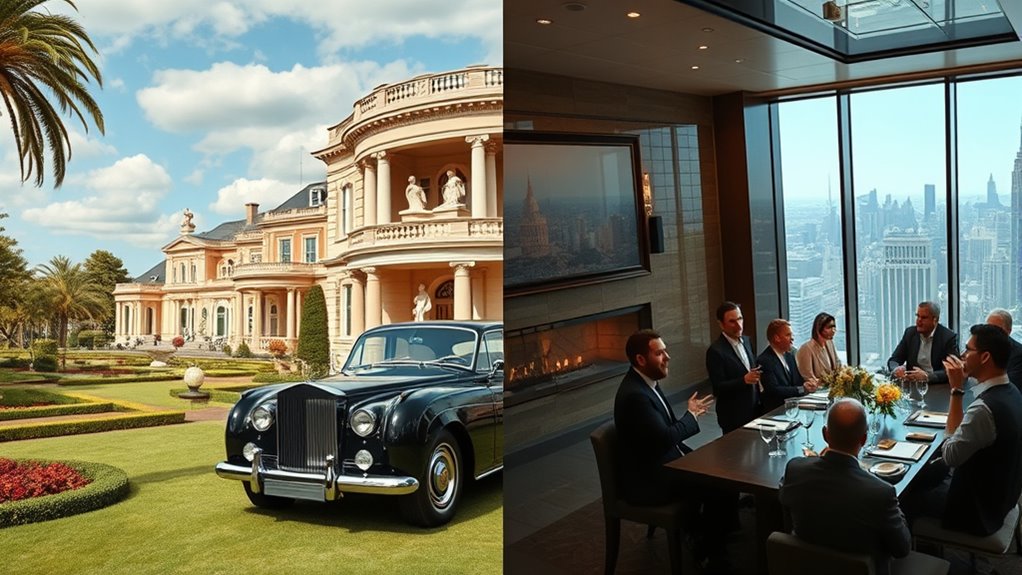
How do old money and new money differ in their approach to philanthropy and social responsibility? Old money tends to focus on strategic charitable donations that sustain long-standing institutions and preserve their family legacy. They often take a measured, behind-the-scenes approach, emphasizing community involvement that aligns with tradition and stability. In contrast, new money usually makes more visible, high-profile charitable donations, often seeking instant impact or recognition. Their involvement tends to be more dynamic, reflecting personal passions or social causes they champion. While old money may prioritize legacy and continuity, new money often aims to create immediate change and build personal reputation through philanthropy. Both approaches contribute profoundly to society, but they highlight different values and priorities in how wealth is used for social good.
Public Image and Personal Branding

Old money and new money often craft distinct public images and personal brands that reflect their values and social priorities. With luxury branding, old money emphasizes understated elegance, tradition, and a sense of timelessness, which enhances their personal reputation for stability and class. In contrast, new money tends to focus on bold displays of wealth and innovation, positioning themselves as dynamic and forward-thinking. Your personal branding influences how others perceive your social standing and success. While old money maintains an image of discreet refinement, new money often leans toward attention-grabbing luxury. Both approaches shape your public image, but the key difference lies in the subtlety versus spectacle of their luxury branding, ultimately impacting your personal reputation in different social circles.
Frequently Asked Questions
How Do Old and New Money Differ in Their Investment Strategies?
You’ll notice that old money typically focuses on preserving family legacy through conservative investments, emphasizing stability and wealth transfer. In contrast, new money often has a higher risk tolerance, seeking growth with more aggressive strategies like startups or stocks. Old money tends to diversify cautiously, while new money might prioritize quick gains. Your approach depends on whether you value long-term stability or are willing to take bigger risks for higher rewards.
What Role Does Education Play in Old Versus New Money Circles?
You’ll find education plays a key role in both circles, but differently. In old money, elite networking and cultural capital are essential; they often attend prestigious schools to maintain status and build lifelong connections. New money individuals focus on practical skills and innovative knowledge, sometimes valuing entrepreneurship over tradition. Both groups use education to reinforce their social standing and expand their influence within their respective circles.
How Do Luxury Experiences Vary Between Old and New Money Families?
You’ll notice that old money families often prioritize heritage celebrations, preserving traditions through elegant galas and exclusive memberships. They value subtlety and timeless elegance, reflecting their deep-rooted history. In contrast, new money families tend to indulge in flashy, experiential luxury, such as trendy events and modern memberships. Their focus is on showcasing success, often emphasizing the latest trends over tradition. These differences highlight their unique approaches to luxury experiences.
Are There Differences in Political Influences Between Old and New Wealth?
You’ll notice old money families tend to have more established political influence through longstanding philanthropy and tradition, like the Rockefeller’s historic donations. In contrast, new money often engages more actively in contemporary political campaigns and causes, leveraging their wealth for immediate impact. For example, the Gates Foundation demonstrates old money’s tradition of philanthropy, while tech entrepreneurs like Elon Musk exemplify new money’s direct political engagement.
How Do Perceptions of Wealth Impact Social Mobility for Both Groups?
Your perception of wealth markedly influences social mobility within social stratification. If you view old money as more prestigious, you might feel limited in your opportunities to climb the social ladder, perceiving wealth as an exclusive marker. Conversely, seeing new money as equally valuable can inspire you to pursue upward mobility. Wealth perception shapes your attitude, either reinforcing existing social boundaries or encouraging efforts to transcend them, impacting your potential for social mobility.
Conclusion
As you navigate the world of old money and new money, remember it’s like watching a timeless river flow beside a vibrant, rushing stream. Old money whispers of tradition, flowing gently with history, while new money sparkles with bold innovation and fresh energy. Both carve their paths through the landscape of luxury, each leaving a unique imprint. Embrace the dance of tradition and modernity, for in their contrast, you find the true art of wealth’s evolving story.