The hidden tech behind better picture quality combines advanced camera sensors with powerful image processing algorithms. These sensors capture more light and detail, especially in challenging conditions, while software enhances colors, sharpness, and reduces noise. Seamless hardware and software integration guarantees crisp images even when objects move fast or lighting is poor. To discover how these technologies work together to create stunning photos, keep exploring what makes your camera smarter and more capable.
Key Takeaways
- Advanced camera sensors capture more detailed and accurate light data, improving overall image clarity.
- Sophisticated image processing algorithms refine photos by adjusting contrast, sharpness, and reducing noise.
- Seamless hardware and software integration enhances low-light performance and minimizes motion blur.
- Real-time scene analysis using AI optimizes images for various environments and conditions.
- Continuous advancements in sensor and processing technology produce more vibrant, true-to-life photos.

Have you ever wondered what makes a picture look sharper and more vibrant beyond just the resolution? The secret lies in the technology working behind the scenes, especially in the camera sensors and image processing systems. When you press the shutter button, it’s not just capturing light; it’s capturing data through advanced camera sensors designed to optimize how that light is converted into an image. These sensors come in various sizes and types, each with unique features that influence color accuracy, low-light performance, and detail resolution. The better the sensor, the more information it gathers, which directly impacts the clarity and richness of your photos. Additionally, the contrast ratio of the sensor and processing system plays a significant role in overall image quality.
But capturing data is only part of the story. Once the image data reaches the camera’s image processing unit, a whole new level of enhancement begins. Image processing involves complex algorithms that refine the raw data, adjusting contrast, sharpening edges, balancing colors, and reducing noise. Think of it as your camera’s brain working to make the picture look as good as possible. Modern image processing systems use artificial intelligence and machine learning to analyze scenes in real time, applying tailored improvements based on what’s in the frame. This means your photos aren’t just technically accurate—they’re optimized for visual appeal. The integration of advanced algorithms ensures that every shot is optimized for the best possible outcome.
The synergy between high-quality camera sensors and sophisticated image processing is what truly elevates picture quality. A top-tier sensor provides the detailed foundation, while advanced image processing polishes that foundation into a vivid, sharp image. For example, in low-light conditions, a good sensor captures more light, and smart processing algorithms work to reduce graininess and enhance clarity. Additionally, improved sensor technology can help reduce artifacts and distortions that sometimes occur in digital images. It’s also essential that these sensors are designed with noise reduction capabilities that further improve overall image quality. Similarly, when capturing fast-moving subjects, sensor speed combined with real-time processing ensures motion blur is minimized, resulting in crisp images.
This combined technology also impacts how your photos look on different screens. Enhanced processing ensures that colors pop and details stand out, whether viewed on a phone, tablet, or large monitor. It’s why some images seem more lifelike and engaging without you needing to do anything extra. As camera sensors continue to evolve and image processing algorithms become more intelligent, your photos will only get better—more vibrant, more detailed, and more true to life. Behind every stunning shot is a complex dance of hardware and software working seamlessly to turn light into art.
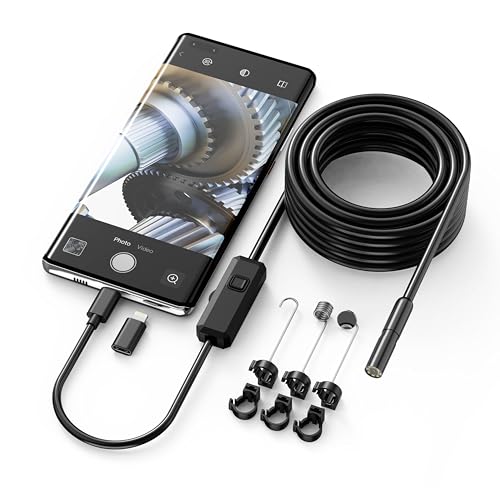
1920P HD Endoscope Camera with 8 Light, 9.8ft Ultra-Maneuverable Borescope for Smartphones, Handy Tangle-Free Snake Lightweight Inspection, Semi-Rigid Cable for Android and iOS, iPhone, iPad, Tablets
Crystal Clear 1920P HD Precision: Don’t miss a single detail. Equipped with a 7.9mm (0.31in) ultra-slim probe and…
As an affiliate, we earn on qualifying purchases.
As an affiliate, we earn on qualifying purchases.
Frequently Asked Questions
How Does Screen Calibration Affect Picture Quality?
Screen calibration directly improves picture quality by enhancing color accuracy and brightness uniformity. When you calibrate your display, you guarantee colors are true to life and consistent across the screen, avoiding dull or overly vibrant images. It also balances brightness levels, preventing areas from appearing too dark or too bright. This process makes your viewing experience more immersive, clearer, and true to the original content, whether you’re watching movies, gaming, or editing photos.
What Role Do Image Processing Algorithms Play?
Imagine revealing a secret superpower—image processing algorithms do just that. They actively enhance your picture quality through image enhancement techniques, sharpening details, and balancing colors. Algorithm optimization guarantees these processes run smoothly and efficiently, making your viewing experience seamless. By intelligently adjusting settings in real-time, these algorithms transform ordinary images into stunning visuals, revealing hidden details and vibrancy you might have missed without their unseen but powerful influence.
Can Hardware Upgrades Improve Existing Displays?
Yes, hardware upgrades can improve your existing display by enhancing color accuracy and panel durability. Upgrading components like the graphics card or adding a color calibration tool helps you achieve more accurate, vibrant images. Additionally, replacing or upgrading the display panel itself boosts durability, reducing the risk of damage over time. These improvements guarantee you enjoy better picture quality and a longer-lasting display, making your viewing experience more immersive and reliable.
How Does Ambient Lighting Influence Picture Perception?
Ambient influence markedly affects how you perceive picture quality. Lighting effects from your environment can enhance or diminish contrast, color accuracy, and overall clarity. Bright or uneven ambient lighting can wash out images, making details hard to see, while controlled lighting improves picture perception by reducing glare and reflections. To optimize viewing, you should adjust your room’s lighting to match the display’s settings, ensuring a better, more immersive visual experience.
What Are the Latest Innovations in Display Technology?
Imagine a screen that’s crystal-clear and incredibly smooth—this is what the latest display tech offers. You’ll notice higher display resolution and faster refresh rates, which make images sharper and motion fluid. Innovations like OLED and MicroLED enhance contrast and color. These advancements let you experience visuals more vividly, with less blur and lag, transforming how you watch, play, or create, making every pixel count in your immersive digital world.

The Digital Negative: Raw Image Processing in Lightroom, Camera Raw, and Photoshop
Used Book in Good Condition
As an affiliate, we earn on qualifying purchases.
As an affiliate, we earn on qualifying purchases.
Conclusion
You might not realize it, but the tech working behind the scenes dramatically improves your viewing experience. Did you know that modern image enhancement techniques can boost picture clarity by up to 50%? Next time you enjoy a stunning display, remember the complex algorithms and hardware that make it possible. Embrace these innovations, and you’ll appreciate every pixel even more, knowing the incredible tech that elevates your visuals beyond what meets the eye.
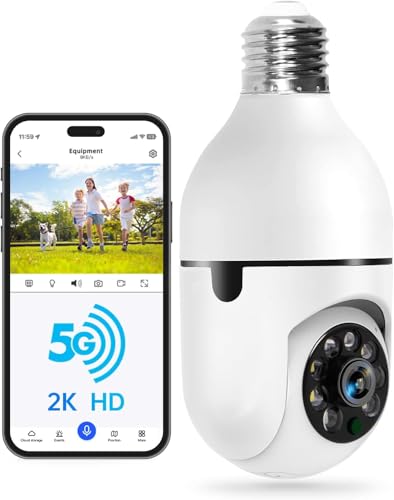
WESECUU Light Bulb Security Camera -5G& 2.4GHz WiFi 2K Security Cameras Wireless Outdoor Motion Detection and Alarm,Two-Way Talk,Color Night Vision,Human Detection, Bulb Camera Compatible with Alexa
【5G & 2.4G Dual Band】The latest 5G & 2.4G dual-band light bulb camera have stronger signal reception, higher…
As an affiliate, we earn on qualifying purchases.
As an affiliate, we earn on qualifying purchases.
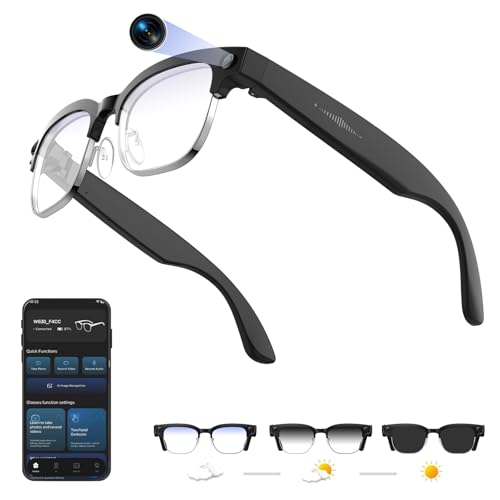
AI Smart Glasses with Camera, 8MPW Anti-Shake Bluetooth Camera Glasses, 1080P Video Recording Dual Mic Noise Reduction, Real Time Translation&Simultaneous Interpretation, 290mAh Capacity(W630)
【8MPW Camera & 1080P Video and Audio】:These camera glasses feature an 800W camera that outputs sharp 20MP photos…
As an affiliate, we earn on qualifying purchases.
As an affiliate, we earn on qualifying purchases.