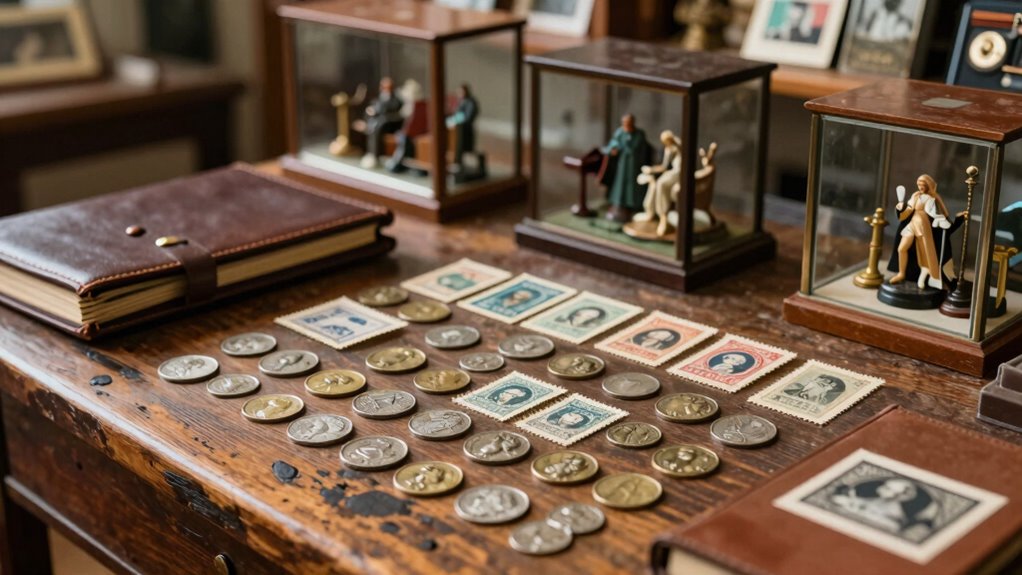

As a collector, you see ownership as more than just holding an item—you develop a deep emotional bond, seeing it as a symbol of memories, passions, and personal stories. Rarity, craftsmanship, and presentation shape your view of value, often outweighing market price. You cherish the ongoing relationship, curating and preserving your collection as an extension of yourself. If you explore further, you’ll uncover even more about how this unique perspective transforms ordinary possessions into meaningful treasures.
Key Takeaways
- Collectors view ownership as a personal connection and shared experience, not just a transaction or possession.
- They prioritize rarity and scarcity, valuing uniqueness over market price.
- Ownership reflects identity, passions, and personal history, creating emotional bonds with items.
- Valuation emphasizes emotional significance and craftsmanship, beyond utility or monetary worth.
- Presentation and preservation are integral, showcasing the item’s importance and personal value.
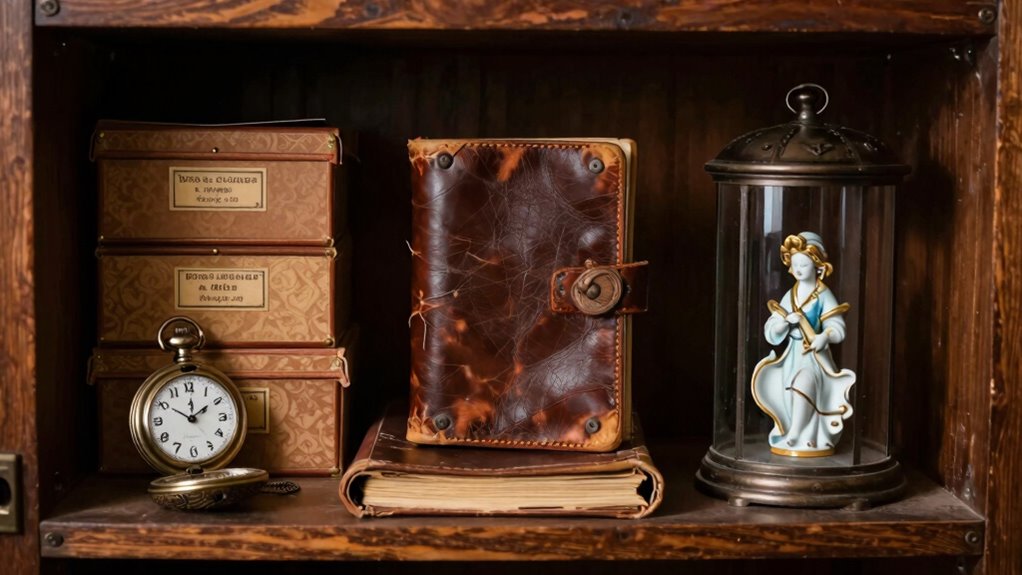
Have you ever wondered what drives collectors to value their possessions so deeply? It’s not just about owning something; it’s about the emotional attachment they develop over time. When you think about collecting, you might see it as simply gathering objects, but for collectors, each item often represents more than its physical form. It embodies memories, personal stories, or a sense of connection to a particular era or passion. This emotional attachment transforms possession into something meaningful that goes beyond monetary value. Every scratch, label, or unique feature on an item can evoke feelings that money can’t buy. In addition, the unique features of each piece often hold specific sentimental significance that enhances this emotional bond. This deep connection influences how you perceive ownership—not as a transactional act, but as a shared experience with the object itself.
Rarity valuation plays a vital role in how collectors see their possessions. You don’t view items purely based on their market price but rather on how rare or unique they are. When you find an object that’s hard to come by, it becomes instantly more desirable. Rarity elevates an item’s status from just another object to a prized gem in your collection. You might go to great lengths to hunt down limited editions, vintage pieces, or one-of-a-kind artifacts, knowing that their scarcity makes them more valuable in your eyes. This rarity valuation creates a sense of exclusivity and achievement. It’s like a puzzle where each rare piece you acquire completes a bigger picture—your personal collection of history, culture, or interest. The rarity elevates your ownership from simple possession to a form of personal legacy. Additionally, understanding the technology behind the production of high-efficiency solar panels can deepen your appreciation for their design and performance, much like appreciating the craftsmanship of a rare collectible.
Unlike typical consumers who might buy items for their utility or immediate appeal, collectors see ownership as an ongoing relationship. You carefully curate, preserve, and sometimes even display your collection, emphasizing its importance. The act of ownership becomes an extension of your identity, reflecting your tastes, values, and passions. This perspective makes you more invested in your possessions, viewing them not just as objects but as parts of your personal story. You’re less likely to part with your collection easily because it’s intertwined with your emotional life and the scarcity that makes each piece significant. For you, ownership isn’t just about possession; it’s about safeguarding a piece of your identity and history, and that perspective shapes how you value and care for your possessions every day. Additionally, understanding the importance of color accuracy and how it impacts visual appeal can deepen your appreciation for your collection’s presentation.
As an affiliate, we earn on qualifying purchases.
Frequently Asked Questions
How Do Emotional Attachments Influence Collectors’ Ownership Decisions?
Emotional attachments deeply influence your ownership decisions as a collector. You form emotional bonds with items, making them more than just possessions—they become symbols of memories and personal stories. This attachment drives you to preserve items carefully, valuing their sentimental significance over monetary worth. Your desire to safeguard these objects stems from a need for memory preservation, which increases your commitment to ownership and makes letting go difficult, even when new opportunities arise.
Do Collectors Prefer Temporary or Permanent Ownership? Why?
You probably prefer temporary ownership because it allows you to enjoy emotional bonds with items without long-term commitment. This flexibility means you can experience the thrill of possession while maintaining the freedom to let go when your feelings or interests change. Temporary ownership satisfies your desire for connection and novelty, making collecting more exciting and less restrictive. It’s about balancing emotional attachment with the freedom to explore or move on.
How Does Rarity Affect a Collector’s Sense of Ownership?
Rarity deeply enhances your sense of ownership because it gives your collection unique value that others can’t replicate. You might worry that rarity inflates market influence or makes items seem inaccessible. But for you, owning rare pieces isn’t just about status — it’s about connection to something extraordinary. This exclusivity fuels your passion, making each item feel personal and irreplaceable, strengthening your emotional bond and pride in your collection.
What Role Does Provenance Play in a Collector’s Valuation?
Provenance plays a vital role in your valuation because it highlights the historical significance of an item, adding depth and context that increase its appeal. You recognize that authentication importance guarantees the piece’s legitimacy, boosting confidence in its worth. When the provenance traces back to notable owners or events, it elevates the item’s desirability, making it more than just an object—it’s a piece of history that considerably enhances your collection’s value.
How Do Collectors Handle Ownership Disputes or Disagreements?
When facing ownership disputes, you actively seek resolution by consulting legal experts to navigate legal complexities. You prioritize transparent communication and document every detail to support your stance. Ethical considerations guide you to respect the provenance and rights involved, fostering trust and integrity. You may also explore mediation or arbitration to resolve disagreements efficiently, demonstrating your commitment to ethical practices and preserving the value and authenticity of your collection.
As an affiliate, we earn on qualifying purchases.
Conclusion
So, next time you see a collector, ask yourself—do they see ownership as just possession or as a part of their identity? You might realize that for them, owning isn’t about the item itself, but about the stories, passions, and memories it holds. Isn’t it fascinating how their perspective transforms what might seem like mere objects into cherished treasures? Maybe, in their eyes, ownership is truly about the connection, not just the possession.
luxury limited edition collectible
As an affiliate, we earn on qualifying purchases.
As an affiliate, we earn on qualifying purchases.
custom display shelves for collectibles
As an affiliate, we earn on qualifying purchases.
As an affiliate, we earn on qualifying purchases.