
TL;DR
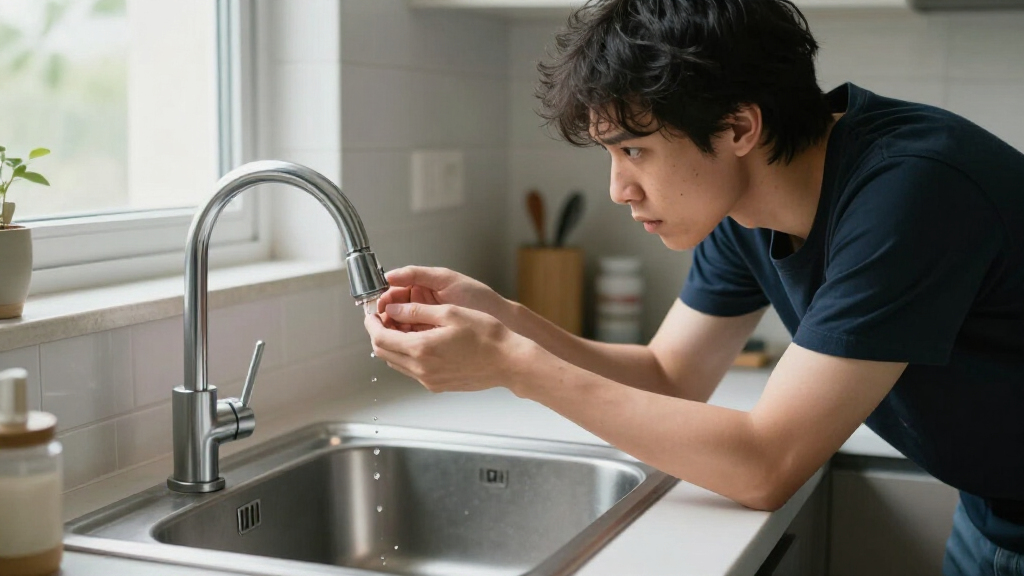
Johannesburg faces frequent water shortages, with taps running dry in many areas. Authorities cite infrastructure issues and drought as key causes, but challenges remain. This affects residents’ daily lives and highlights systemic issues in water management.
Johannesburg residents continue to experience frequent water shortages, with many taps running dry despite ongoing efforts to improve supply. Authorities attribute these disruptions primarily to aging infrastructure and ongoing drought conditions, making water access a persistent challenge for the city.
According to Johannesburg Water, the city’s primary water supplier, the recurring water shortages are caused by a combination of infrastructure deterioration and reduced water inflows due to drought in the region. Several neighborhoods have reported days or even weeks without reliable water supply, affecting households and businesses alike.
Officials have acknowledged that much of the city’s pipeline network is outdated and requires urgent maintenance. The drought, worsened by climate change, has further strained the system by reducing the volume of water available from the Lesotho Highlands and other sources. Despite recent infrastructure upgrades and emergency measures, the problem persists in many areas.
Residents and community leaders have voiced frustration, citing unreliable supply and inadequate communication from authorities. Johannesburg Water has promised to accelerate repairs and improve water management, but long-term solutions remain under discussion.
Impacts of Water Shortages on Johannesburg Communities
The ongoing water shortages have significant implications for public health, sanitation, and daily life in Johannesburg. Reliable access to water is essential for hygiene, cooking, and other basic needs. The crisis exposes vulnerabilities in the city’s infrastructure and raises concerns about resilience amid climate change and urban growth.
Furthermore, persistent shortages can lead to increased reliance on alternative sources, such as boreholes or bottled water, which may not be sustainable or affordable for all residents. The situation underscores the urgent need for systemic investment in water infrastructure and better resource management policies.
As an affiliate, we earn on qualifying purchases.
Historical Challenges and Recent Efforts in Johannesburg’s Water System
Johannesburg’s water infrastructure has long been under strain, with many pipelines dating back decades. The city has previously experienced similar shortages during drought periods, but the frequency and severity have increased in recent years. In 2023, authorities launched a series of emergency repairs and infrastructure upgrades, yet the problem persists.
Climate models predict that drought conditions may become more severe, compounding existing issues. The city’s reliance on imported water sources, such as the Lesotho Highlands, makes it vulnerable to external factors beyond local control. Recent reports from GroundUp highlight the gap between official assurances and residents’ lived experiences of water scarcity.
Local government officials have emphasized ongoing projects aimed at expanding storage capacity and repairing pipelines, but critics argue that these measures are insufficient and delayed.
“Our infrastructure is aging, and combined with the drought conditions, it has led to these ongoing supply disruptions.”
— Johannesburg Water spokesperson
As an affiliate, we earn on qualifying purchases.
Unresolved Questions About Long-Term Water Security
It is not yet clear how quickly Johannesburg will be able to fully upgrade its aging infrastructure or how climate change will further impact water availability. Officials have yet to specify timelines for major repairs, and future drought severity remains uncertain.
Additionally, the effectiveness of recent emergency measures and whether they will provide lasting relief is still under evaluation. There is ongoing debate about the city’s capacity to adapt to increasing water stress in the coming years.
As an affiliate, we earn on qualifying purchases.
Next Steps in Addressing Johannesburg’s Water Crisis
City authorities plan to accelerate infrastructure repairs and expand storage capacity over the next year. They are also exploring alternative water sources and demand management strategies, such as water restrictions and public awareness campaigns.
Monitoring of drought conditions and infrastructure performance will continue, with regular updates expected from Johannesburg Water. Long-term planning efforts aim to ensure more resilient water systems, but concrete outcomes are still pending.
As an affiliate, we earn on qualifying purchases.
Key Questions
Why are Johannesburg’s taps running dry so often?
The main reasons are aging infrastructure and reduced water inflow due to drought conditions, according to officials and experts.
What is being done to fix the water shortages?
The city is undertaking infrastructure repairs, expanding storage, and exploring alternative water sources, but progress is ongoing and outcomes are uncertain.
How does drought impact Johannesburg’s water supply?
Drought reduces water inflows from key sources like the Lesotho Highlands, straining the city’s supply system and contributing to shortages.
When can residents expect reliable water supply again?
There is no specific timeline yet. Authorities aim to improve conditions within the next year, but long-term resilience depends on infrastructure upgrades and climate factors.
Are climate change and drought making the problem worse?
Yes, climate change is increasing the frequency and severity of droughts, which directly affects water availability in Johannesburg.
Source: local