
TL;DR

Get home appliances delivered free with Prime
- Fast, free delivery on millions of items
- Prime Video, Amazon Music and more included
- Member-only deals all year
Veranda published advice from interior designers on how to buy art for a home, from researching prices and finding local dealers to setting a budget and choosing work that feels personal. The report presents practical guidance, not a new market study or a claim that any buying method guarantees investment returns.
Veranda has published advice from interior designers on buying art for a home, covering research, budgeting, sourcing and how to choose pieces that suit a person’s taste. The guidance matters to buyers because it offers ways to approach a purchase before committing money, including checking comparable works and seeking help verifying an artwork’s history.
New York designer and shop owner Katie Leede recommends researching available works and market prices before buying. She points to sites such as Artnet, conversations with gallery staff and art consultants, direct contact with artists, and upcoming auctions as possible routes to learning about works and finding candidates. Leede also notes that a buyer may approach an auction house after a piece fails to meet its minimum bid, though whether an offer is accepted depends on the circumstances.
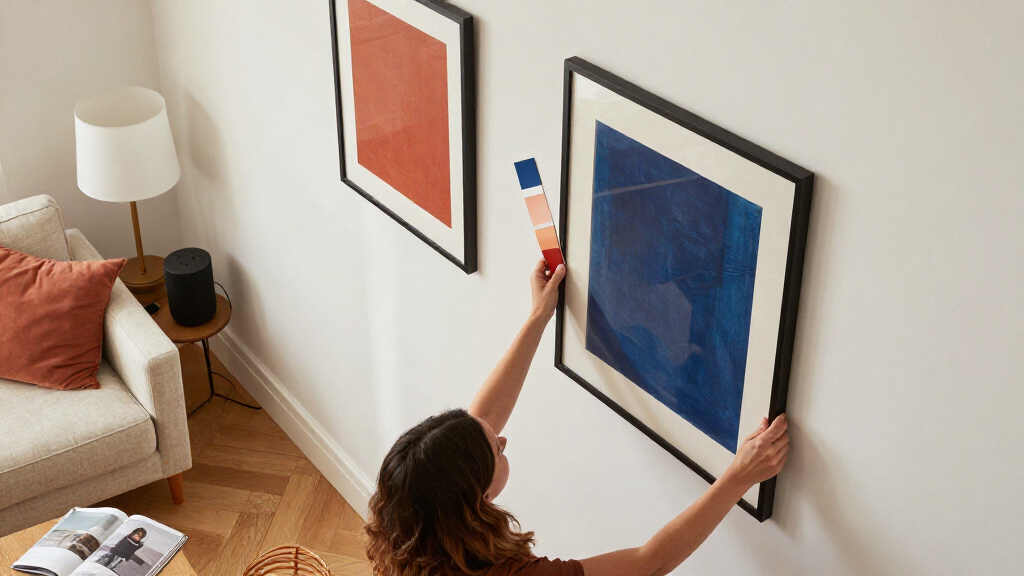
New Orleans designer Hattie Sparks Collins advises starting with the space and a budget. Buyers can decide whether they want one large work, a pair of pieces or a group, then consider whether a reproduction print or an original better fits their spending plan. Subject, medium and the room’s colors can help narrow the search. Collins says art need not match a room exactly, but should complement it.
Other designers emphasize personal taste and sourcing. Joy Moyler says to buy work a person wants to see every day, while Christina Nielsen describes relationships with dealers and artists as useful over time. For buyers treating a purchase as an investment, Stewart Manger recommends consulting an art adviser: he says consultants can help check provenance with artist foundations. The report also names auction specialists as a resource and distinguishes higher-cost collecting from more affordable decorative prints and works on paper.
Practical Checks Before Buying Art
The recommendations offer buyers a process for reducing avoidable uncertainty without suggesting that art purchases will appreciate in value. Research and provenance checks can help a buyer understand what is being offered and whether its history can be supported; a consultant or auction specialist may be useful for more expensive works. These services, however, do not replace a buyer’s own review of the object, documentation and terms of sale.
Budgeting and measuring the intended space can also prevent a mismatch between the work, the room and the buyer’s finances. Considering prints alongside originals gives shoppers different price points, while choosing art based on personal interest shifts the decision away from buying solely for status or a presumed return. The advice is guidance from designers, not a guarantee of resale value, authenticity or a particular visual result.
Products Worth Considering

LEVOIT Vital 200S-P Smart Air Purifier for Large Rooms

Philips Hue White and Color Ambiance Smart Light Starter Kit with Bridge and 4 A19 Bulbs

Philips Hue Festavia 65-Foot Smart String Lights, 250 Color-Changing LEDs
As an affiliate, we earn on qualifying purchases.
From Room Planning to Artist Research
The Veranda report gathers recommendations from eight designers about finding art for both client projects and personal homes. Its scope ranges from practical interior decisions—such as scale, framing and color—to ways of finding work through galleries, dealers, artists, online platforms and auctions. The supplied excerpt includes detailed advice from several designers and lists examples of sources, including local shops and online marketplaces.
The report describes art as a personal purchase as well as a possible investment in a home. That distinction is reflected in the advice: some designers focus on what a buyer enjoys living with, while Manger’s recommendation about consultants addresses provenance for buyers making a larger investment. The source does not provide market data showing that emerging artists or any named source will produce financial gains.
“Art does not necessarily need to match the color scheme of the room, but should certainly complement it.”
— Hattie Sparks Collins, New Orleans-based designer
Limits of the Buying Advice
The report offers designers’ recommendations rather than independently tested rules. It does not establish that art bought through a particular dealer, auction or online platform is authentic, nor does it quantify typical fees, prices or investment performance. Provenance checks may provide useful documentation, but the excerpt does not describe a single verification standard or guarantee against errors.
The supplied source text ends partway through a section attributed to San Francisco designer Suzanne Tucker, so her full advice and the complete article’s remaining recommendations are not available here. The source also gives no publication date, and it is unclear whether any of the listed shops, platforms or services have changed since publication.
Steps for a Prospective Buyer
For a shopper applying the advice, the next steps are to measure the space, set a spending limit and decide what kinds of work they want to see at home. They can then compare available pieces, ask galleries or dealers questions, and review the terms and documentation before purchasing. Buyers considering a costly work may seek specialist help with provenance and condition, while comparing the cost of an original with prints or other decorative options.
Veranda’s article does not announce a new event or a future policy change; it is a published service report. No further milestone or update is identified in the supplied material.
Key Questions
What should a first-time art buyer do before purchasing?
Start by measuring the space and setting a budget, then decide on a preferred subject and medium. Research comparable works and ask sellers questions before committing.
Does art need to match a room’s colors?
No. Collins advises that art can complement rather than exactly match a room’s palette. Designers also suggest considering framing and how the work will sit against the wall.
How can a buyer check an artwork’s provenance?
Manger recommends asking an art consultant for help, including checking with artist foundations where relevant. Auction-house specialists may also offer expertise, but the source does not describe a universal verification guarantee.
Are prints a reasonable alternative to original art?
The designers’ advice treats prints as one possible option for buyers with different budgets. Collins suggests deciding whether a reproduction print and custom frame suit the plan better than investing in an original.
Does the article say buying emerging artists is a financial investment?
Designers discuss emerging artists as a way to source art and describe collecting as an investment in a home. The report provides no financial performance data or assurance that works by emerging artists will rise in value.
Source: veranda.com