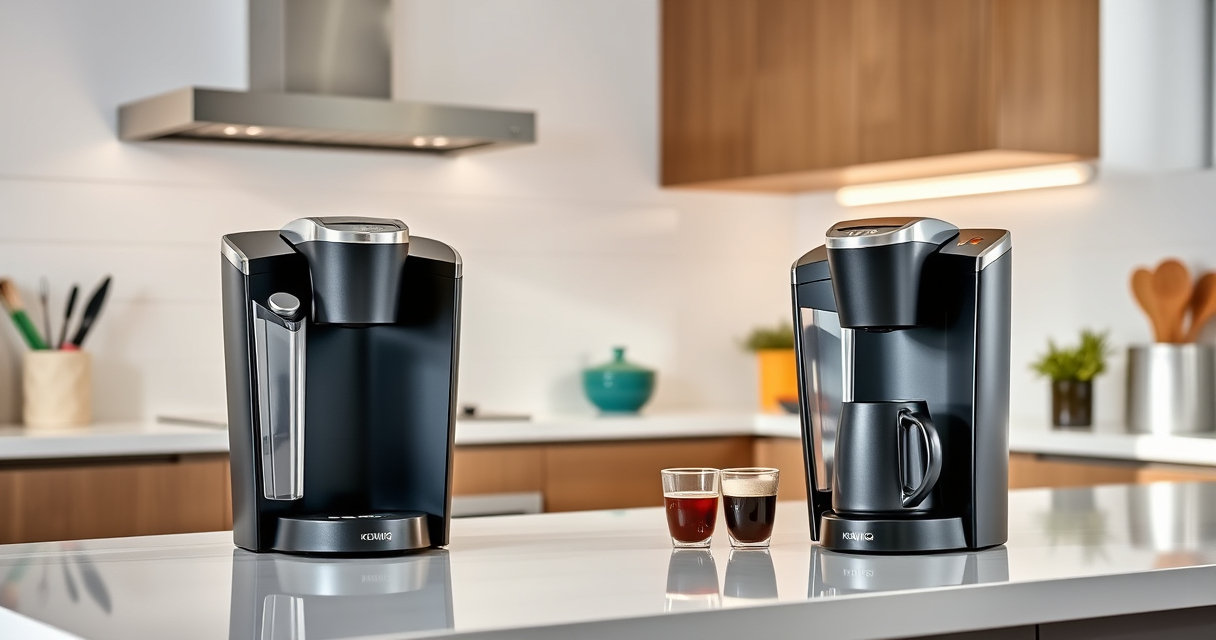
If your Keurig coffee maker is producing disappointing or bad-tasting coffee, you’re not alone. Several factors can affect the flavor, from mineral buildup to water quality. Fortunately, many issues are simple to diagnose and fix with proper cleaning and maintenance.

Get home appliances delivered free with Prime
- Fast, free delivery on millions of items
- Prime Video, Amazon Music and more included
- Member-only deals all year
In this guide, we’ll walk you through the main causes of poor coffee taste and provide clear, step-by-step solutions to restore your Keurig’s performance and enjoy delicious brews again.
Key Takeaways
| Mineral Buildup | Descale regularly to prevent mineral deposits that affect taste. |
| Dirty Components | Clean the brew head and water reservoir for optimal flavor. |
| Water Quality | Use fresh, filtered water for better taste. |
| Incorrect Cleaning | Use descaling and cleaning kits periodically. |
| Wrong Brew Settings | Ensure correct brew size and settings for your preferences. |
Check and Replace Water
Ensure you’re using fresh, clean water each time you brew. Hard or mineral-rich water can lead to mineral buildup and affect flavor. Switch to filtered water if possible for a cleaner taste.
Descale Your Keurig
- Fill the water reservoir with 10 oz of Keurig descaling solution or a mixture of white vinegar and water (1:1 ratio).
- Run a brew cycle without a K-Cup, allowing the solution to pass through.
- Repeat until the reservoir is empty.
- Rinse the reservoir thoroughly and run 2-3 plain water brews to clear residual descaling solution.
Clean the Brew Head and Reservoir
- Remove the brew head and clean with a soft cloth or brush to remove coffee oils and residue.
- Wash the water reservoir and drip tray with warm soapy water, rinse thoroughly.
- Reassemble and ensure all parts are dry before brewing again.
Use Proper Coffee and Settings
Verify you’re using fresh, high-quality K-Cups and the correct brew size. A too-small or too-large setting can impact flavor. Experiment with different brew sizes to find the best taste.
Additional Tips for Better Coffee
- Run a cleaning cycle with rinse pods if available to clear oils between different flavors.
- Avoid using old or pre-ground coffee not intended for Keurig.
- Regularly clean and descale your machine every 3-6 months.
The Products in This Guide
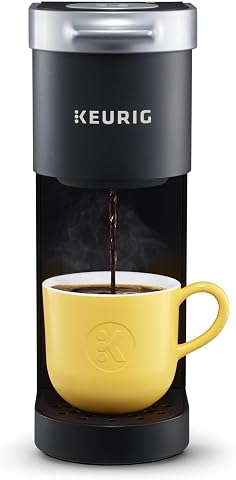
Keurig K-Mini Single Serve K-Cup Pod Coffee Maker
- ✔ Weight: 5.1 pounds
- ✔ Power: 1500 watts
- ✔ Dimensions: 11.3 x 4.8 x 12.1 inches
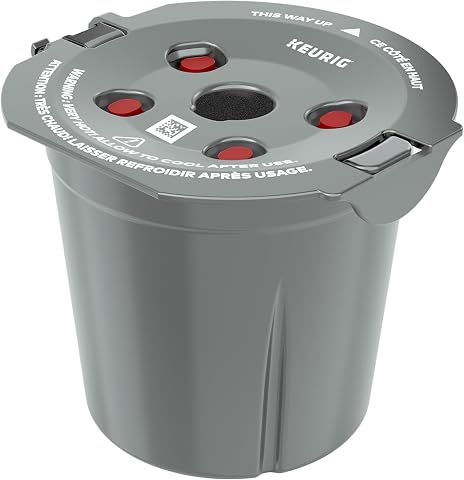
My K-Cup® Reusable Coffee Filter
- ✔ Size: Standard fit
- ✔ Weight: 2.4 ounces
- ✔ Material: BPA-free plastic
Keurig K-Mini Single Serve K-Cup Pod Coffee Maker
The Keurig K-Mini Single Serve K-Cup Pod Coffee Maker is ideal for small spaces, offering quick brewing with simple operation. Regular cleaning and descaling are key to maintaining great taste.
Pros:
- Compact size fits small kitchens
- Brews quickly in 6-12oz sizes
- Removable drip tray for travel mugs
- Auto off feature saves energy
Cons:
- Limited to 12oz brew size
- No water filter built-in
- Requires frequent descaling in hard water areas
Best for: Small apartments, offices, or travel use
Not ideal for: Large family households or those preferring multiple brew sizes
Bottom line: A compact, reliable brewer perfect for small spaces with straightforward maintenance.
My K-Cup® Reusable Coffee Filter
The My K-Cup® Reusable Coffee Filter allows you to brew your favorite ground coffee with the Keurig, offering more control over flavor and cost.
Pros:
- Eco-friendly and cost-effective
- Brew with your preferred ground coffee
- Easy to clean
- Compatible with various Keurig models
Cons:
- Requires periodic cleaning
- Must measure coffee grounds accurately
- Limited to single serve brewing
Best for: Coffee enthusiasts wanting custom blends
Not ideal for: Those preferring pre-packaged K-Cups for convenience
Bottom line: A practical upgrade that enhances flavor and reduces waste.
Frequently Asked Questions
Why does my Keurig taste bad even after cleaning?
Persistent mineral deposits or residual oils can cause off-flavors. Descale regularly and ensure thorough cleaning of all components.
How often should I descale my Keurig?
Descale every 3-6 months, especially if you notice a decline in brew quality or in areas with hard water.
Can I use vinegar instead of descaling solution?
Yes, a mixture of white vinegar and water can effectively descale. Rinse thoroughly afterward to remove vinegar taste.
What water temperature is best for brewing?
Use cold, filtered water for optimal taste and to prevent mineral buildup. Keurig heats water internally for brewing.
Enjoy Better Tasting Coffee with Proper Maintenance
Addressing common causes like mineral buildup and residue can significantly improve your Keurig’s coffee flavor. Regular descaling, cleaning, and using quality water are simple yet effective steps to ensure each brew tastes fresh and delicious. With a little routine maintenance, your Keurig will continue to provide great coffee for years to come.
Affiliate disclosure: As an Amazon Associate we earn from qualifying purchases. Prices and availability are accurate as of the time of publishing.
Fall Picks
fall essentials
As an affiliate, we earn on qualifying purchases.