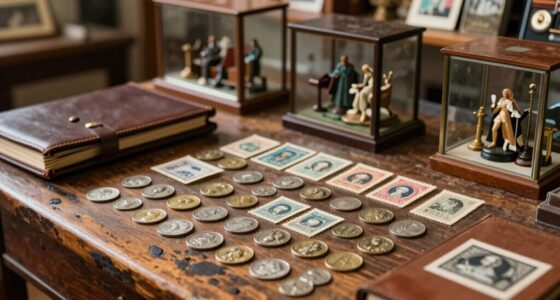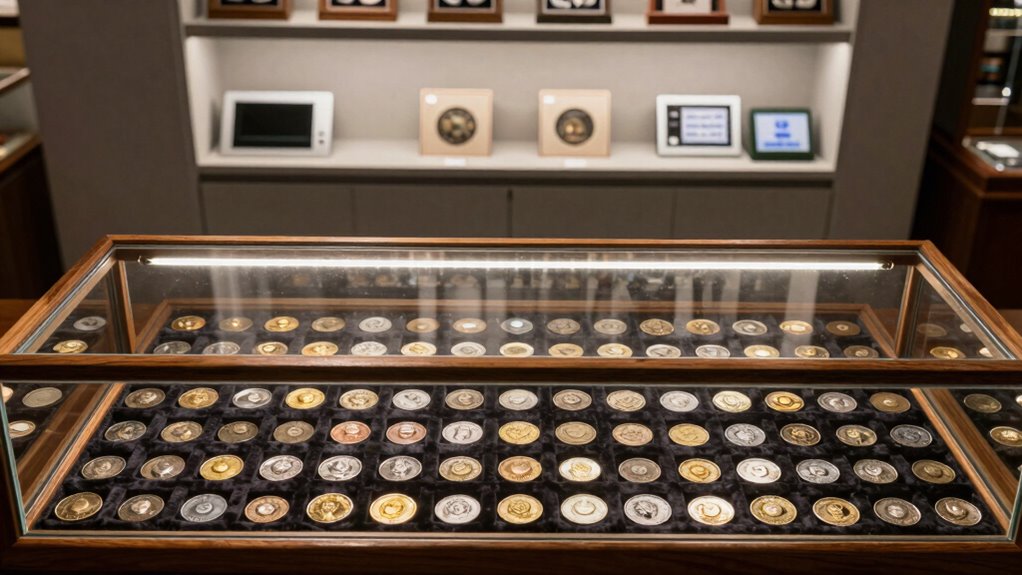
Proper presentation and storage are crucial to protect your collection’s value and longevity. Using the right materials, such as glass cases and acid-free containers, safeguards fragile items from dust, pollutants, and handling damage. Maintaining stable climate conditions, like appropriate temperature and humidity, prevents deterioration. Thoughtful display techniques enhance their significance while minimizing harm. If you want to guarantee your collection remains valuable and in great condition over time, there’s much more to discover about effective practices.

Get home appliances delivered free with Prime
- Fast, free delivery on millions of items
- Prime Video, Amazon Music and more included
- Member-only deals all year
Key Takeaways
- Proper presentation protects fragile items from physical damage and environmental stress.
- Effective storage prevents deterioration caused by temperature, humidity, and pollutants.
- Well-designed display techniques enhance visual storytelling and highlight collection significance.
- Controlled environments and handling minimize risks of damage and preserve collection value.
- Consistent maintenance and appropriate materials extend the longevity of valuable collections.
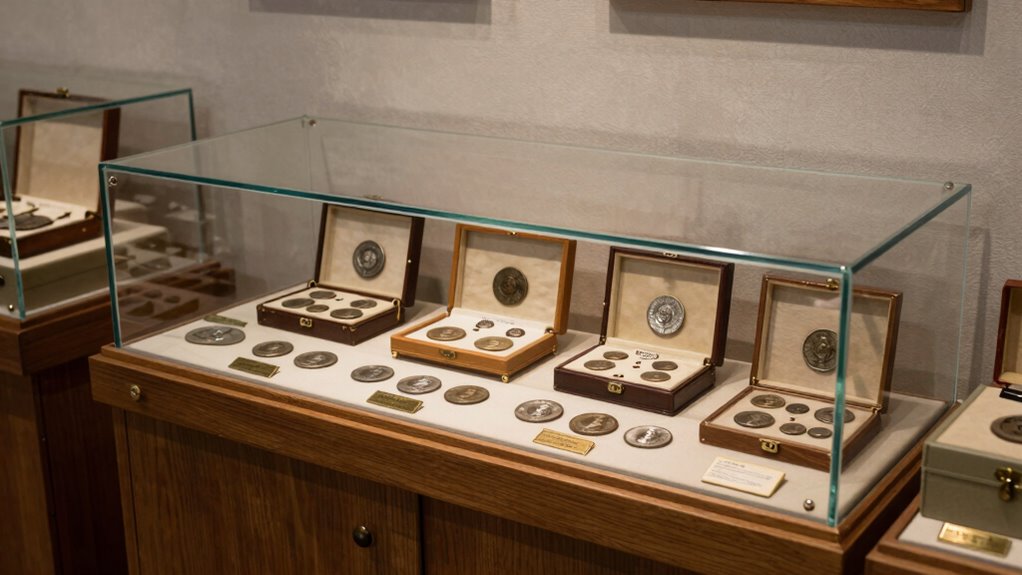
Have you ever wondered how to best showcase and protect your collection? When you’re serious about your items, presentation and storage become more than just aesthetic choices—they’re vital for preserving their value and integrity. Effective display techniques can turn your collection into a visual story, highlighting each piece’s significance while keeping it safe from harm. But equally important are the environmental factors around your collection, which can greatly influence its longevity. Using proper storage materials, such as acid-free boxes, helps prevent chemical reactions that could damage your items over time. Getting the display right means paying attention to how your items are arranged. Use proper lighting that doesn’t emit excessive heat or UV rays, as these can cause fading or deterioration over time. Display techniques like glass cases or shadow boxes help shield pieces from dust, pollutants, and accidental damage. Position your items away from direct sunlight and avoid areas with fluctuating temperatures to prevent warping or discoloration. When arranging your collection, make certain that each piece has enough space to breathe; overcrowding can lead to scratches or breakage, especially with fragile items. Labels and supports should be designed to minimize contact and avoid applying pressure that might cause damage. Environmental factors are equally essential. Temperature and humidity levels should be carefully controlled, as extreme fluctuations can accelerate deterioration. Most collections fare best in stable environments—ideally around 68-72°F with relative humidity between 40-50%. Avoid placing your collection near heating vents, windows, or damp areas, where environmental changes are more likely. Pollutants like smoke, dust, and airborne chemicals can settle on your items, leading to discoloration or corrosion. Using air purifiers and keeping the display area clean helps mitigate these risks. Additionally, consider the material of storage containers; acid-free boxes and tissue papers prevent chemical reactions that could harm delicate items. Understanding cultural significance can also influence how you choose to display certain pieces, emphasizing their importance and context. Proper environmental controls, such as humidity buffers, can also help protect your collection from damage caused by fluctuations. Incorporating appropriate storage environments with controlled temperature and humidity is key to maintaining your collection’s condition over time. To further safeguard your collection, consider implementing climate control systems that maintain consistent environmental conditions. You also need to think about how often you handle your collection. When you do, make sure your hands are clean and dry, or wear gloves if necessary, to prevent transferring oils or dirt. Regularly inspecting your collection for signs of environmental damage or deterioration allows you to catch issues early. Proper presentation and storage aren’t just about showing off what you love—they’re about safeguarding your collection’s future. By paying attention to display techniques and environmental factors, you guarantee your collection remains pristine and valuable for years to come.
acid-free storage boxes for collectibles
As an affiliate, we earn on qualifying purchases.
As an affiliate, we earn on qualifying purchases.
Frequently Asked Questions
How Do I Determine the Best Storage Environment for My Collection?
To find the best storage environment, assess your collection’s needs by considering display techniques and conservation strategies. Keep temperature and humidity stable, avoiding fluctuations that can damage items. Use acid-free containers and proper shelving to prevent deterioration. Regularly monitor conditions and handle items carefully. Implementing these practices guarantees your collection remains preserved, accessible, and well-presented, enhancing its longevity and value for years to come.
What Materials Should I Use for Safe Display Cases?
Think of your display case as a guardian for your collection. Use materials like acrylic or UV-resistant glass to guarantee durability and protection. Opt for display lighting that minimizes heat and UV exposure, safeguarding your items’ integrity. Avoid cheap plastics that may degrade over time. Your choice of materials and lighting creates a safe, elegant environment where your collection can shine without risk, preserving its value and beauty.
How Often Should I Inspect My Collection for Damage?
You should inspect your collection at least quarterly to catch damage early. During inspections, check for issues like fading or deterioration caused by display lighting, and guarantee labels remain clear with effective labeling techniques. Regular inspections help you maintain the collection’s integrity, allowing you to address problems before they worsen. Incorporate proper display lighting and clear labeling techniques into your routine to preserve the collection’s condition and value over time.
What Are Common Mistakes to Avoid in Presentation Methods?
Avoid common mistakes like poor display lighting, which can damage items over time, and inaccurate label information that misleads collectors. Did you know 60% of collections suffer from improper presentation? You should guarantee your lighting is gentle and UV-free, and labels are precise and clear. Don’t overcrowd cases or use fragile mounts, as these can cause damage or misidentification. Proper presentation enhances value and preserves your collection’s integrity.
How Does Climate Control Impact Long-Term Preservation?
Climate control is essential for long-term preservation because it prevents deterioration. You should focus on humidity regulation and temperature stability to protect your collection from damage caused by excessive moisture or extreme temperatures. Consistent climate conditions help maintain the integrity of your items, reducing the risk of mold, warping, or decay. By controlling these factors, you guarantee your collection stays in excellent condition for years to come.
As an affiliate, we earn on qualifying purchases.
Conclusion
If you neglect presentation and storage, your collection risks turning into a chaotic, dust-covered nightmare that could make even the most dedicated collector cry! Proper display and secure storage aren’t just details—they’re the secret weapons that transform your collection into an awe-inspiring masterpiece that demands respect. Don’t let your treasures become forgotten relics of chaos. Invest in presentation and storage now, and watch your collection shine brighter than a thousand suns!
climate control humidifier for collections
As an affiliate, we earn on qualifying purchases.
As an affiliate, we earn on qualifying purchases.
museum quality glass display case
As an affiliate, we earn on qualifying purchases.
As an affiliate, we earn on qualifying purchases.
NFL season / tailgating Picks
team gear
As an affiliate, we earn on qualifying purchases.