
You might wonder how Japanese chef knives became icons of premium cooking. It’s their remarkable craftsmanship, honed over centuries, that sets them apart. These knives are forged using traditional techniques that create incredibly sharp, durable blades, blending age-old methods with modern innovation. The meticulous attention to detail and cultural significance deepen their allure. If you keep exploring, you’ll discover how these qualities have shaped their prestigious reputation and transformed culinary artistry worldwide.
Key Takeaways
- Their centuries-old tradition of meticulous forging techniques ensures exceptional sharpness and durability.
- Skilled artisans craft each knife with precise attention to detail, reflecting mastery and cultural heritage.
- The craftsmanship embodies a blend of traditional methods and modern innovations for optimal performance.
- Japanese knives symbolize precision and artistry, elevating culinary standards in premium cooking.
- Preservation of cultural heritage and artisanal techniques has established them as icons of high-quality culinary tools.
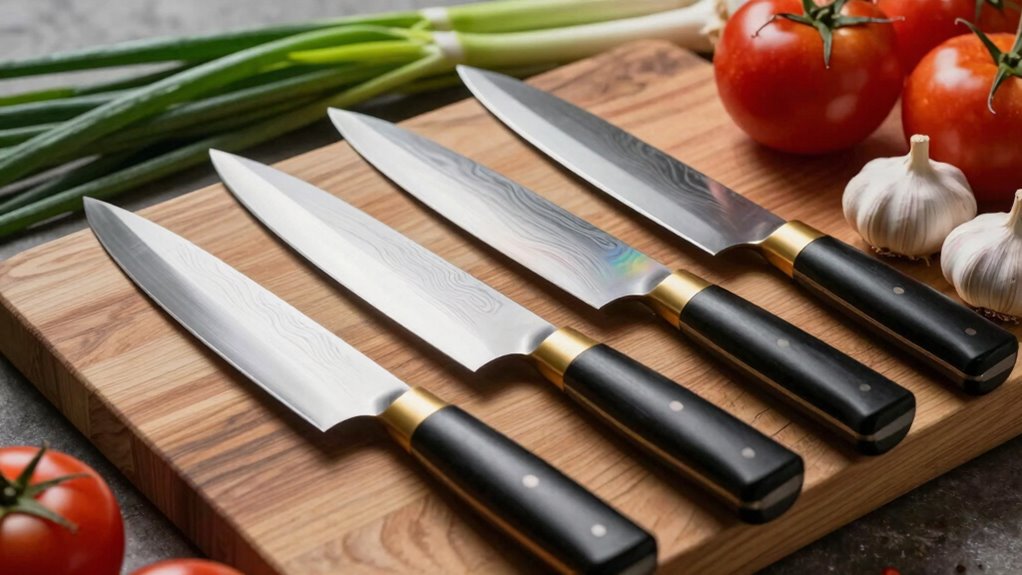
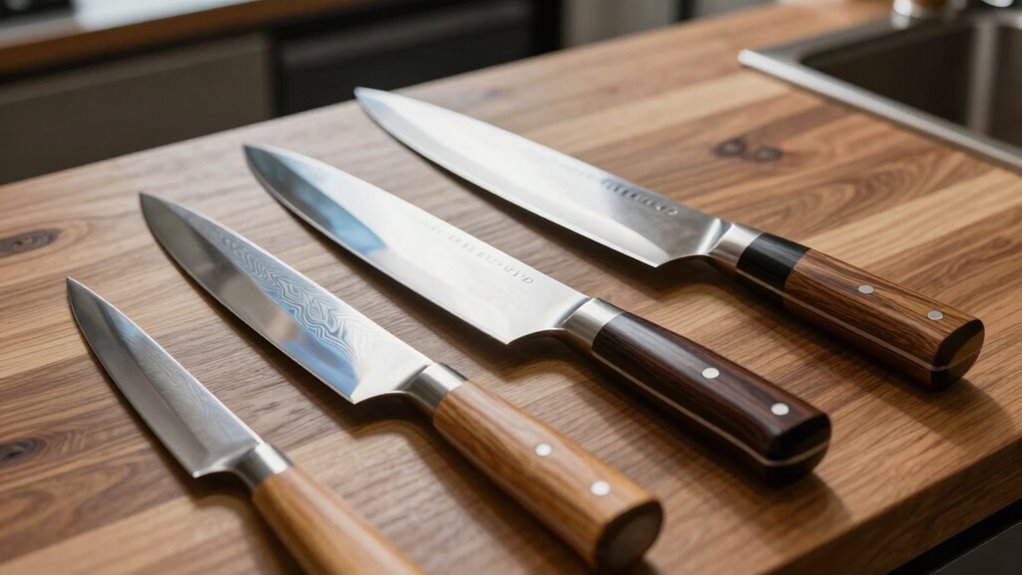
Japanese chef knives are widely celebrated as symbols of precision and craftsmanship in premium cooking. Their reputation stems from centuries of dedicated knife craftsmanship, where skill and tradition intertwine to produce tools that are both beautiful and highly functional. These knives are more than just kitchen utensils; they embody a rich culinary heritage that has been refined over generations. When you handle a Japanese chef knife, you’re not just using a cutting tool—you’re engaging with a piece of history rooted in Japanese culinary traditions. The meticulous attention to detail in their craftsmanship guarantees each blade offers unparalleled sharpness and balance, making your food preparation more efficient and enjoyable. Additionally, the traditional forging techniques used in their creation contribute significantly to the knives’ exceptional quality and durability. The process of creating these knives involves a careful blend of traditional techniques and modern innovations. Skilled artisans forge the blades through a series of steps that include folding high-quality steel multiple times to create a dense, durable edge. This technique, often seen in traditional Japanese sword-making, enhances the blade’s strength and sharpness, allowing you to cut through ingredients with minimal effort. Furthermore, understanding the metalworking processes involved in Japanese knife making highlights the precision and craftsmanship that set these knives apart from mass-produced alternatives. The craftsmanship extends beyond the forging process; every detail, from the handle design to the blade’s bevel, is meticulously finished to meet exacting standards. This unwavering dedication to quality and artisanal mastery not only results in a superior product but also reflects the cultural significance and heritage preservation that are integral to Japanese craftsmanship. The attention to detail in each step of the process underscores the artisans’ commitment to excellence and tradition.

HOSHANHO Kitchen Knife in Japanese High Carbon Steel, Professional High-Class Chef's Knife 8 inch, Non-slip Ultra Sharp Cooking Knives with Ergonomic Handle
- Premium Japanese High Carbon Steel: Exceptional sharpness and durability
- Matte Finish Blade: Fashionable and resistant to wear
- Ergonomic Wooden Handle: Comfortable, safe grip for precise control
As an affiliate, we earn on qualifying purchases.
As an affiliate, we earn on qualifying purchases.
Frequently Asked Questions
What Materials Are Traditionally Used in Japanese Knife Blades?
You’ll find that traditional Japanese knife blades are crafted from high-quality steels, often layered for strength and flexibility, reflecting historical metallurgy techniques. These blades typically combine softer iron with harder carbon steel, enhancing sharpness and durability. Regional craftsmanship plays a crucial role, with specific areas developing unique techniques and materials, such as Tamahagane steel from ancient smelting methods, resulting in blades that are both beautiful and highly functional.
How Do Japanese Knives Differ From Western Kitchen Knives?
You’ll notice Japanese knives differ from Western ones through their superior knife ergonomics, offering a lighter, more balanced feel that reduces fatigue. They often feature a thinner, sharper blade, ideal for precise cuts. Culturally, these knives symbolize craftsmanship and tradition, embodying Japan’s dedication to culinary excellence. Their design emphasizes meticulous craftsmanship and cultural symbolism, making them not just tools but icons of premium cooking that elevate your kitchen experience.
What Maintenance Is Required to Keep Japanese Knives Sharp?
To keep your Japanese knives sharp, regularly use sharpening techniques like honing on a ceramic rod or whetstone. Hone your knife after each use to maintain the edge, and periodically sharpen with a finer grit stone for precision. Store your knives properly in a knife block or on a magnetic strip to prevent dulling. Avoid dishwasher cleaning, and hand wash and dry thoroughly to preserve the blade’s sharpness and overall condition.
Are Japanese Chef Knives Suitable for Beginner Cooks?
Japanese chef knives are suitable for beginners, especially once you master proper knife handling techniques. They might seem delicate, but with care, they become invaluable tools. Invest in good knife storage solutions to keep the blades sharp and safe. Start with a basic, well-balanced knife, and practice proper grip and cutting techniques. With patience, you’ll find these knives become an extension of your hand, making cooking more enjoyable.
How Has Japanese Culture Influenced Knife Craftsmanship?
Japanese culture deeply influences knife craftsmanship through historical influences and a focus on artistic craftsmanship. You’ll notice that traditional techniques, passed down through generations, emphasize precision and aesthetics. Cultural values like harmony and respect for materials inspire artisans to create knives that are not only functional but also beautiful. This blend of history and artistry elevates Japanese knives, making them symbols of craftsmanship and a reflection of cultural pride.

Japanese Chef Knife Set 3 Pcs, 67-Layer Damascus Kitchen Knife Set with VG10 Steel Core, Professional Sharp Damascus Knives with Ocean-Blue Ergonomic Handle, Include Elegant Cooking Gifts Box
- Complete 3-Piece Knife Set: Includes chef, santoku, and paring knives
- Premium VG10 Steel Core: Ensures razor-sharp edges and durability
- 67-Layer Damascus Construction: Provides beautiful patterns and enhanced toughness
As an affiliate, we earn on qualifying purchases.
As an affiliate, we earn on qualifying purchases.
Conclusion
As you hold a Japanese chef’s knife, you’re gently embracing centuries of artistry and tradition. These blades don’t just cut—they elevate your cooking experience, whispering stories of craftsmanship and dedication. While they may seem just tools, they’re quietly inspiring a deeper connection to your culinary journey. In their subtle elegance, you find not only precision but a heartfelt reminder that sometimes, the finest things are meant to be cherished softly and with reverence.
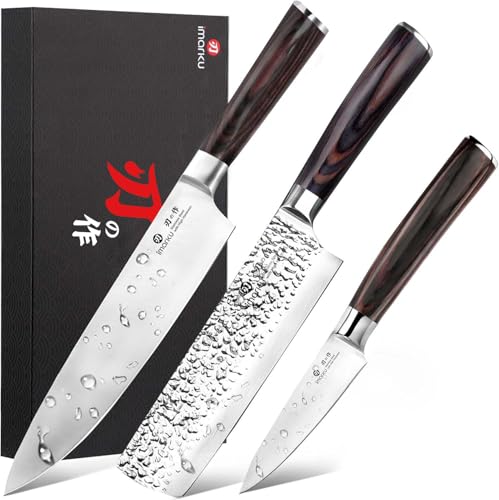
imarku 3 Pieces Knife set, Japanese HC Stainless Steel Kitchen Knife Set, Professional Chef Knife Set With Ergonomic Pakkawood Handle, Ultra Sharp Knives Set for Kitchen & Home Cooking, Gifts Box
- Ultra Sharp Professional Edge: 15° double bevel, precise cutting
- Complete 3-Piece Kitchen Set: Chef, Nakiri, and Paring knives included
- High-Quality Japanese Stainless Steel: HRC 57±1 for durability and corrosion resistance
As an affiliate, we earn on qualifying purchases.
As an affiliate, we earn on qualifying purchases.
imarku 3 Pieces Knife set, Japanese HC Stainless Steel Kitchen Knife Set, Professional Chef Knife Set With Ergonomic Pakkawood Handle, Ultra Sharp Knives Set for Kitchen & Home Cooking, Gifts Box
- Ultra Sharp Professional Edge: 15° double bevel, precise cutting
- Complete 3-Piece Kitchen Set: Chef, Nakiri, and Paring knives included
- High-Quality Japanese Stainless Steel: HRC 57±1 for durability and corrosion resistance
As an affiliate, we earn on qualifying purchases.
As an affiliate, we earn on qualifying purchases.