
TL;DR

Get home appliances delivered free with Prime
- Fast, free delivery on millions of items
- Prime Video, Amazon Music and more included
- Member-only deals all year
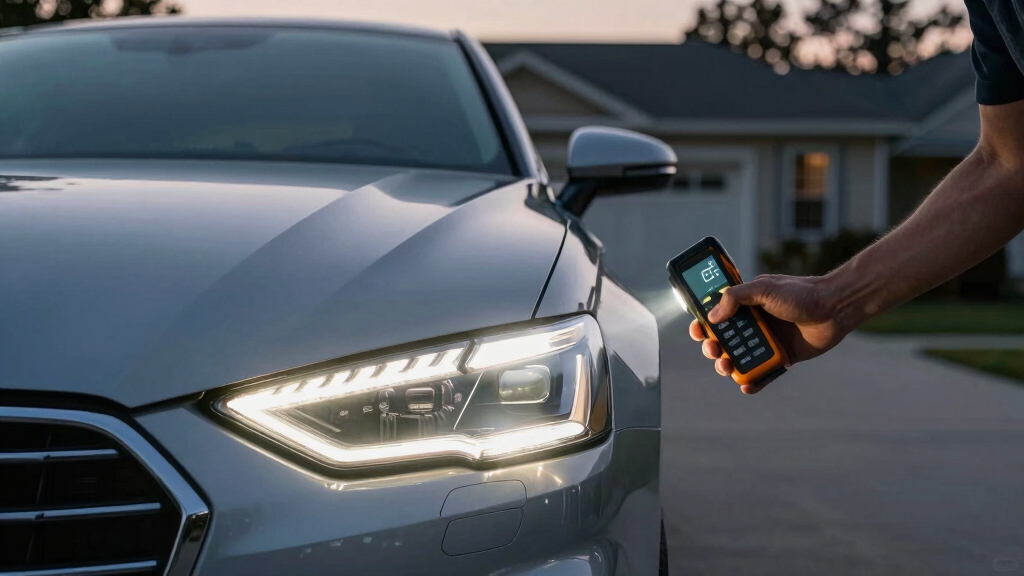
Automakers increasingly equip vehicles with LED headlights, but concerns are rising over whether their brightness impairs visibility for other drivers. Authorities and experts are investigating safety impacts amid ongoing regulatory reviews.
Recent concerns about the brightness of modern LED headlights are prompting investigations into their safety impact on the roads. While LED headlights are praised for energy efficiency and longevity, some experts and drivers argue that their high intensity may impair visibility for other motorists, raising safety questions that are currently under review by authorities.
Automakers have widely adopted LED headlights in recent years due to their efficiency and durability. However, reports from drivers and safety advocates suggest that the increased brightness levels may cause glare, reducing visibility for oncoming vehicles and potentially increasing the risk of accidents. Regulatory agencies in several countries are now examining whether current standards adequately address the brightness levels of LED headlights. Studies commissioned by safety groups have produced mixed results, with some indicating that excessive glare can impair driver vision, especially at night or in adverse weather conditions. The automotive industry maintains that their headlights meet existing safety standards, but acknowledges that technology has advanced faster than regulations in some regions.
Meanwhile, some vehicle owners and advocacy groups are calling for stricter regulations and better headlight design to minimize glare. Manufacturers argue that advancements in headlight technology include adaptive systems that adjust brightness based on driving conditions, but the effectiveness and widespread adoption of such features vary. The debate continues as authorities weigh the balance between improved visibility for drivers and the safety of others on the road.
Implications for Road Safety and Regulations
This issue matters because overly bright headlights could increase the risk of accidents by impairing the vision of oncoming drivers, especially at night. If regulatory standards are not updated to account for the brightness of LED headlights, there could be a rise in traffic incidents, prompting calls for stricter controls. The outcome could influence vehicle manufacturing practices and lead to new safety regulations aimed at balancing visibility and glare reduction, ultimately affecting millions of drivers worldwide.
LED headlight glare reduction glasses
As an affiliate, we earn on qualifying purchases.
As an affiliate, we earn on qualifying purchases.
Rise of LED Headlights and Safety Concerns
LED headlights have become the standard in new vehicles over the past five years due to their energy efficiency, longer lifespan, and improved illumination. However, as their brightness levels have increased, so have reports of glare-related issues. Historically, headlight regulations in many regions were based on traditional halogen or HID systems, with less emphasis on LED-specific standards. Recent incidents and studies have reignited debate over whether current regulations sufficiently limit headlight brightness to ensure safety for all drivers. Some countries, like Germany and Japan, are already reviewing or updating their standards, while others remain cautious pending further research.
“While LED headlights improve visibility for the driver, their high intensity can cause significant glare for oncoming traffic, which may lead to increased accidents if not properly regulated.”
— Dr. Lisa Chen, automotive safety researcher
As an affiliate, we earn on qualifying purchases.
Extent of Headlight Brightness Impact on Road Safety
It is not yet clear how widespread the safety issues caused by LED headlight glare are, or whether current regulations are sufficient to mitigate these risks. Ongoing studies and accident data analysis are needed to establish definitive links between headlight brightness and accident rates.
car headlight brightness regulator
As an affiliate, we earn on qualifying purchases.
As an affiliate, we earn on qualifying purchases.
Regulatory Review and Technological Advances
Authorities in various countries are expected to review current headlight standards in the coming months, potentially leading to stricter brightness limits. Manufacturers may accelerate adoption of adaptive lighting technologies that reduce glare, and further research will clarify the safety implications of LED headlight brightness. Industry and safety groups are also likely to collaborate on developing new guidelines to ensure driver visibility without compromising safety for others.
As an affiliate, we earn on qualifying purchases.
Key Questions
Are LED headlights legally allowed to be so bright?
Most regions have standards that regulate headlight brightness, but these may not fully account for the high intensity of modern LED systems. Regulatory agencies are currently reviewing these standards.
Can glare from LED headlights cause accidents?
Some studies and driver reports suggest that excessive glare can impair visibility for oncoming drivers, potentially increasing accident risk, especially at night or in poor weather conditions.
What is being done to address these safety concerns?
Regulatory bodies are examining current standards and considering updates. Many manufacturers are integrating adaptive headlight systems designed to reduce glare, and further research is underway to establish safe brightness levels.
Will regulations limit the brightness of LED headlights in the future?
It is likely that new regulations will be introduced to set maximum brightness levels for LED headlights, aiming to balance improved driver visibility with safety for all road users.
Source: rss
Halloween Picks
halloween
As an affiliate, we earn on qualifying purchases.