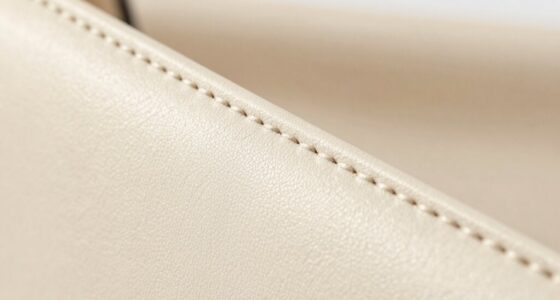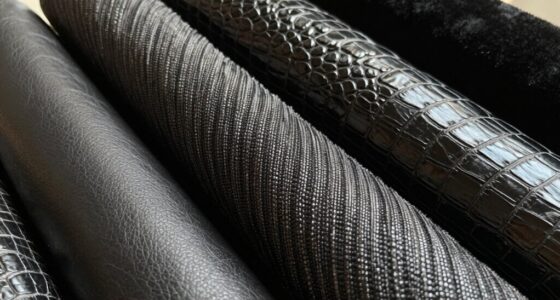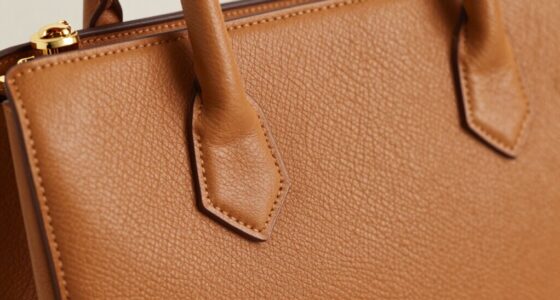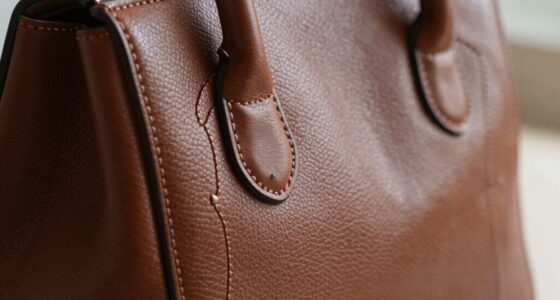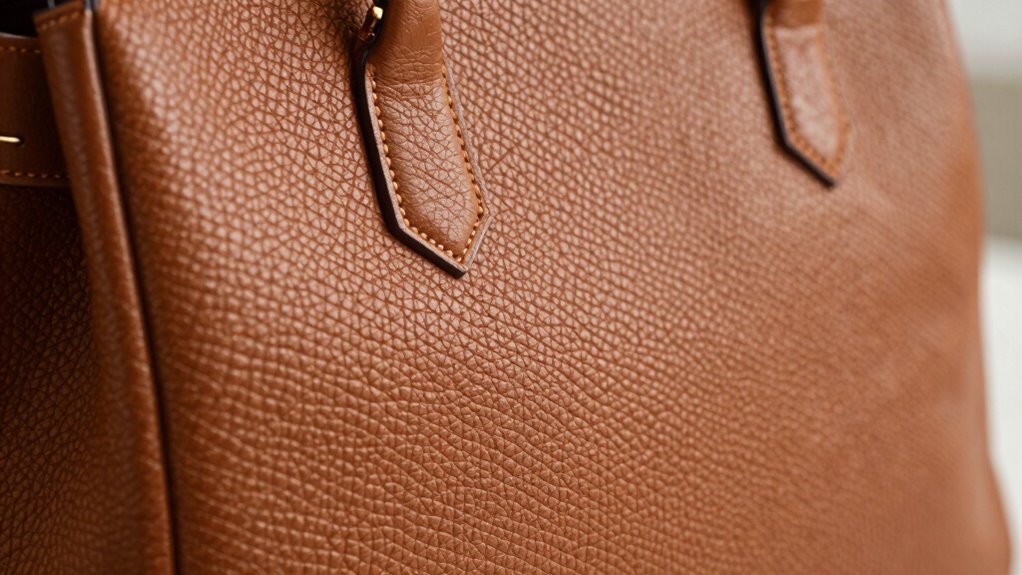

In luxury goods, you’ll notice that texture reveals authenticity and craftsmanship more convincingly than logos or branding alone. Touching genuine materials like leather or textured fabrics lets you feel the quality and attention to detail behind each item. These tactile cues show the true care and skill involved, making the product’s origin clear. If you want to understand how texture signals luxury beyond logos, there’s more to discover about its role in authentic craftsmanship.
Listen free for 30 days with Audible
Thousands of audiobooks and originals — cancel anytime.
As an affiliate, we earn on qualifying purchases.
Key Takeaways
- Texture reveals genuine material quality and craftsmanship beyond superficial branding or logos.
- Tactile qualities provide sensory proof of authenticity that logos cannot replicate.
- Immediate tactile experience creates stronger impressions of luxury than visual branding alone.
- Nuanced textures and surface imperfections indicate real craftsmanship and differentiate authentic items from fakes.
- Sensory engagement through touch fosters a deeper connection and trust in luxury products.

While branding often dominates the luxury goods market, many discerning consumers are discovering that texture can be a more powerful indicator of quality and authenticity. In a world saturated with logos and brand names, it’s the tactile experience that often reveals the true craftsmanship behind a product. When you hold a luxury item, you’re not just feeling its surface—you’re engaging with its material authenticity. The texture tells a story of the processes, materials, and attention to detail that went into creating it. A smooth, supple leather or a richly textured fabric signals a level of quality that branding alone can’t replicate. It’s this sensory experience that allows you to connect with a product on a deeper level. It’s not just about appearance but about feeling the substance beneath the surface. When you run your fingers over a designer handbag, for example, you can often tell if the leather is genuine or synthetic, if the stitching is precise, and if the material has been carefully selected and treated. These subtle cues demonstrate material authenticity—proof that the item is crafted from high-quality, authentic materials. This tactile authenticity can’t be easily mimicked by brands that rely solely on logos or branding to convey luxury. Instead, it’s the nuanced textures, the weight, and the feel that speak volumes about the item’s origin and craftsmanship. Additionally, attention to detail in the texture and finish can reveal the level of care taken during manufacturing.
Your sensory experience with a luxury good is what truly sets it apart. Texture engages your senses and creates an immediate impression that branding can’t match. When you touch a finely woven fabric or feel the cool, smooth surface of a handcrafted ceramic piece, you are experiencing the product’s quality firsthand. This direct engagement often leaves a stronger impression of authenticity than a brand name or logo ever could. It’s when you notice the slight imperfections, the richness of the material, or the unique grain of a surface that you recognize true luxury. These tactile signals affirm that you’re holding something special—something made with care and expertise. Moreover, craftsmanship is often reflected in the subtle variations and imperfections that distinguish genuine luxury items from mass-produced imitations. The sensory perception of touch and feel plays a crucial role in how we evaluate and appreciate luxury goods, emphasizing the importance of tactile qualities over visual branding alone.
As an affiliate, we earn on qualifying purchases.
Frequently Asked Questions
How Does Texture Influence Perceived Product Quality?
Texture substantially influences your perception of product quality through sensory perception and material authenticity. When you touch a luxury item, the rich, genuine feel of its material confirms its authenticity and craftsmanship. The tactile experience engages your senses, making the product feel more premium. High-quality textures evoke trust, emphasizing that the brand values meticulous detail, ultimately enhancing your perception of the product’s overall luxury and worth.
Can Texture Alone Justify a Luxury Item’s High Price?
Like a finely woven tapestry, texture alone can sometimes justify a luxury item’s high price. Tactile innovation and material exclusivity elevate the experience, making the product feel truly unique. When a texture feels exceptional, it signals craftsmanship and rarity. While it might not fully justify the cost alone, distinctive texture deeply enhances perceived value, creating an undeniable allure that often surpasses branding in conveying luxury.
Do Different Textures Appeal to Different Customer Demographics?
Yes, different textures appeal to various customer demographics because of sensory engagement and material innovation. You might find younger audiences attracted to unique, innovative textures that create a memorable experience, while traditional textures appeal to those valuing timeless luxury. By understanding these preferences, brands tailor their offerings, ensuring their products resonate emotionally and tactically with distinct customer groups, ultimately enhancing brand appeal and loyalty through sensory-rich, innovative materials.
How Is Texture Incorporated Into Luxury Product Design Processes?
You incorporate texture into luxury product design through material innovation, exploring unique fabrics, finishes, and surface treatments that elevate the tactile experience. You focus on sensory engagement, ensuring each piece invites touch and curiosity. By experimenting with new materials and techniques, you create distinctive textures that set your products apart, making the luxury experience more immersive and memorable for your customers.
Are There Cultural Differences in Texture Preferences for Luxury Goods?
Yes, cultural differences influence texture preferences in luxury goods. You’ll find that cultural symbolism shapes what textures evoke certain feelings or status, while sensory expectations vary across regions. For example, in some cultures, smooth, glossy finishes symbolize elegance, whereas textured, tactile surfaces suggest authenticity and craftsmanship. You should consider these cultural nuances when designing or selecting luxury items, ensuring they resonate with the sensory and symbolic preferences of your target market.
As an affiliate, we earn on qualifying purchases.
Conclusion
Ultimately, while branding catches the eye, it’s your touch and feel that truly whisper luxury. When you experience the subtle richness of a fine texture, it’s like discovering a secret conversation between you and the craftsperson. In the end, genuine quality gently leaves a lasting impression, far beyond what a logo can convey. So, trust what you feel—sometimes, the most understated details speak louder than words or symbols.
As an affiliate, we earn on qualifying purchases.
As an affiliate, we earn on qualifying purchases.
NFL season / tailgating Picks
team gear
As an affiliate, we earn on qualifying purchases.