
TL;DR

Get home appliances delivered free with Prime
- Fast, free delivery on millions of items
- Prime Video, Amazon Music and more included
- Member-only deals all year
Thames Water has introduced a hosepipe ban in parts of London and nearby regions because of persistent drought. This is the first such restriction in the area in recent years, aiming to conserve water amid low reservoir levels.
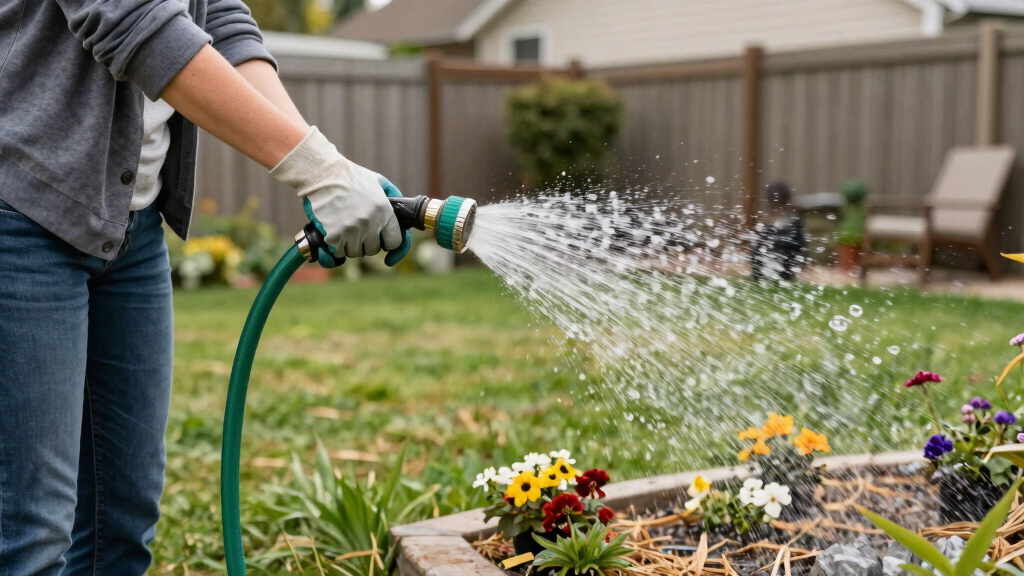
Thames Water has implemented a hosepipe ban across parts of London and surrounding counties, effective immediately, to address critical water shortages caused by prolonged drought. The restriction prevents households from using hoses for watering gardens, cleaning cars, or filling ponds, marking a significant step in water conservation efforts amid low reservoir levels.
The ban covers areas including Greater London, Surrey, and parts of Berkshire, affecting approximately 9 million residents. Thames Water stated that the measure is necessary due to continued low rainfall and declining reservoir levels, which have fallen below the threshold for sustainable water supply. The company emphasized that this is the first hosepipe ban in the region since 2012, signaling the severity of the current drought.
Thames Water confirmed that the restriction is temporary and will remain in place until reservoir levels recover to safe thresholds. The company has urged residents to use water sparingly and comply with the ban to avoid fines. Enforcement measures will include patrols and penalties for violations, according to Thames Water officials.
Local authorities and environmental agencies have warned that the drought could persist into the summer months, prompting ongoing water restrictions and conservation campaigns. The government has also been monitoring the situation, with discussions about additional measures if rainfall does not improve.
Impacts of the Hosepipe Ban on Daily Life and Water Security
This hosepipe ban highlights the increasing frequency of drought-related restrictions in the UK, driven by changing climate patterns and reduced rainfall. It underscores the importance of water conservation for households and businesses and signals potential future restrictions if drought conditions persist. The ban also raises awareness about the need for sustainable water management and infrastructure resilience amid climate change challenges, affecting millions of residents and the region’s water security.As an affiliate, we earn on qualifying purchases.
Recent Drought Conditions and Water Management Challenges in Southern England
Over the past year, southern England has experienced below-average rainfall, with several regions entering drought status. Thames Water reported that reservoir levels have dropped to approximately 60% of capacity, the lowest in a decade. The last hosepipe ban in the area was enacted in 2012 during a similar drought period. Experts attribute the current conditions partly to changing weather patterns linked to climate change, which have led to more frequent and severe dry spells.
Thames Water and other regional providers have previously relied on public water conservation campaigns, but the severity of the current drought has necessitated formal restrictions. This development follows a series of dry winters and below-average rainfall, exacerbating water supply vulnerabilities in densely populated areas like London.
Authorities have also emphasized the importance of long-term planning, including infrastructure upgrades and water recycling initiatives, to mitigate future drought impacts.
“This hosepipe ban is a necessary step to protect our water supply during unprecedented drought conditions. We urge residents to comply fully to help us manage this crisis.”
— Emma Clancy, Thames Water spokesperson
As an affiliate, we earn on qualifying purchases.
Uncertain Duration and Future Water Restrictions
It is not yet clear how long the hosepipe ban will remain in place, as reservoir levels and rainfall patterns are still being monitored. Experts warn that if drought conditions continue or worsen, further restrictions or long-term measures could be introduced, but specific timelines or additional policies have not been confirmed.
As an affiliate, we earn on qualifying purchases.
Next Steps in Managing Water Resources and Public Compliance
Thames Water will continue to monitor reservoir levels and weather forecasts to determine when the ban can be lifted. Authorities will also engage in public awareness campaigns to promote water conservation. Residents and businesses are advised to adhere to the restrictions and stay informed about updates from Thames Water and local authorities. Future plans include infrastructure improvements aimed at increasing resilience to droughts and reducing reliance on emergency restrictions.
As an affiliate, we earn on qualifying purchases.
Key Questions
How long will the hosepipe ban last?
The duration of the ban depends on rainfall and reservoir recovery, which are still being monitored. It is currently indefinite, pending improvements in water levels.
Who is affected by the hosepipe ban?
The ban applies to residents and businesses in Greater London, Surrey, Berkshire, and surrounding areas served by Thames Water.
What activities are prohibited under the ban?
Using hoses for watering gardens, cleaning cars, filling ponds, or any non-essential outdoor water use is prohibited during the restriction period.
Are there penalties for breaking the ban?
Yes, Thames Water has indicated that enforcement patrols will issue fines to violations. Penalties can include fines or other enforcement actions.
What can residents do to help during the drought?
Residents are encouraged to reduce water use, avoid unnecessary outdoor watering, and follow official guidance to conserve water during this period.
Source: google-trends
Cold & flu season Picks
humidifiers
As an affiliate, we earn on qualifying purchases.