

Smart home learning devices are gadgets that observe your habits and adjust themselves — thermostats that learn your schedule, voice assistants that adapt to your routines, and ecosystems that automate your home over time. My top pick is the Google Nest Learning Thermostat (4th gen), because it delivers the most genuine adaptive intelligence in this lineup, building its own heating and cooling schedule without manual programming. The Amazon Smart Thermostat is the standout budget alternative at a fraction of the price, though it leans on programmed schedules rather than true learning. For households building an Alexa-based ecosystem, the Smart Home Starter Kit with Echo Hub bundles the control layer, plugs, and bulbs in one box. The main tradeoff you’ll face is ecosystem lock-in — Google and Amazon devices work best within their own walls — and the gap between devices that learn versus devices that merely follow commands. Read on for the full ranked breakdown.
Complete the kit


Key Takeaways
- The Nest Learning Thermostat (4th gen) is the only product in this lineup that truly learns from behavior; every thermostat below it relies on schedules you set yourself.
- Color variants (Glacier White vs. Graphite Echo Dot Max, Snow vs. Charcoal Nest Thermostat) are identical in performance — buy the cheaper color, not the prettier one.
- The kid-branded Echo devices (Avengers, Disney Princess, Owl) cost roughly the same as standard models but include a year of kids’ content and parental controls, making them a better buy for families.
- Ecosystem choice matters more than individual product quality here: mixing the amazon.com/dp/B0D6SX8VLQ?tag=opulencefinder-20&ascsubtag=dc-692333″ target=”_blank” rel=”nofollow sponsored noopener”>amazon.com/dp/B0D6SZKGT4?tag=opulencefinder-20&ascsubtag=dc-692333″ target=”_blank” rel=”nofollow sponsored noopener”>amazon.com/dp/B08J4C8871?tag=opulencefinder-20&ascsubtag=dc-692333″ target=”_blank” rel=”nofollow sponsored noopener”>amazon.com/dp/B0C36WXGP1?tag=opulencefinder-20&ascsubtag=dc-692333″ target=”_blank” rel=”nofollow sponsored noopener”>Linkind Matter plug into an Alexa home works, but an all-amazon.com/dp/B0CB9NS29Q?tag=opulencefinder-20&ascsubtag=dc-692333″ target=”_blank” rel=”nofollow sponsored noopener”>Amazon or all-Google setup automates more smoothly.
- The Smart Home Starter Kit undercut the sum of its parts, but its smart bulbs are the weakest link — buyers planning to expand later may do better buying components individually.
| Google Nest Thermostat – Smart Thermostat for Home – Programmable Wi-Fi – Charcoal | 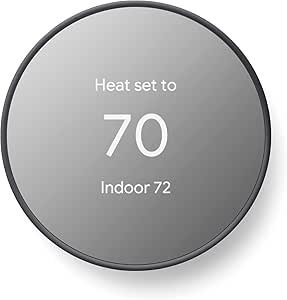 | Best Value Smart Thermostat | Connectivity: Wi-Fi 802.11a/b/g/n (2.4 & 5 GHz), Bluetooth Low Energy | C Wire: Works without C wire in most homes | Certification: ENERGY STAR certified | VIEW LATEST PRICE | See Our Full Breakdown |
| Like-New Amazon Echo Spot (Newest Model), Smart Alarm Clock with Alexa, Black |  | Best Smart Alarm Clock | Size: 4.5″W x 4.1″D x 4.4″H | Weight: 14.3 oz | Display: 2.83″ touch screen (240x320px) | VIEW LATEST PRICE | See Our Full Breakdown |
| Amazon Echo Pop Kids (Newest Model) with Marvel’s Avengers Design |  | Best for Kids’ Learning | Size: 4.0″ x 3.4″ x 3.6″ | Weight: 10.3 oz (292 g) | Speaker: 1.95″ front-firing driver | VIEW LATEST PRICE | See Our Full Breakdown |
| Smart Home Starter Kit with Echo Hub, Amazon Smart Plug, and 4 Amazon Basics Smart Bulbs |  | Best Smart Home Starter Kit | Included Devices: Echo Hub, Amazon Smart Plug, 4 Amazon Basics Smart Bulbs | Display: 8-inch touch screen, 1280 x 800 resolution | Connectivity: Dual-band Wi-Fi, Bluetooth A2DP/AVRCP, Zigbee, Thread, Matter | VIEW LATEST PRICE | See Our Full Breakdown |
| Google Nest Thermostat – Smart Wi-Fi Programmable Thermostat for Home – Snow |  | Best for Google-Centric Homes | Connectivity: Wi-Fi | Energy Star Certified: Yes | C Wire: Works in most systems without a C wire | VIEW LATEST PRICE | See Our Full Breakdown |
| Amazon Echo Dot Kids (Newest Model) – Smart Speaker with Alexa, Owl Design |  | Best for Young Learners | Design: Owl | Connectivity: Wi-Fi | Supported Services: Amazon Music, Apple Music, Spotify, Pandora | VIEW LATEST PRICE | See Our Full Breakdown |
| Google Nest Learning Thermostat (4th gen) + Nest Temperature Sensor (2nd gen) – Obsidian |  | Best Premium Learning Thermostat | Model: 4th gen | Includes: Nest Temperature Sensor (2nd gen) | Display: 60% larger than previous generation | VIEW LATEST PRICE | See Our Full Breakdown |
| Linkind Matter Smart Plug, Works with Apple Home, Alexa, Siri, Google Home | 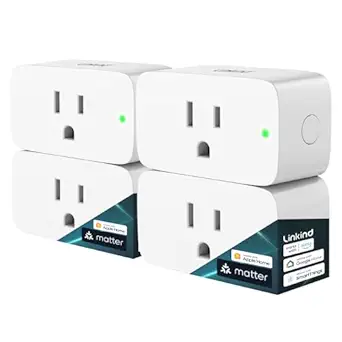 | Best Budget Entry Point | Protocol: Matter | Compatibility: Apple Home, Alexa, Siri, Google Home | Wi-Fi: 2.4GHz | VIEW LATEST PRICE | See Our Full Breakdown |
| Amazon Smart Thermostat, Compatible with Alexa and Ring, C-wire Required |  | Best Value Thermostat | Compatibility: Most 24V HVAC systems; C-wire required | Ecosystem: Alexa, Ring | Connectivity: 2.4GHz, 802.11 b/g/n Wi-Fi | VIEW LATEST PRICE | See Our Full Breakdown |
| Amazon Echo Dot Max (Newest Model) – Alexa Speaker with Room-Filling Sound and 3x Bass, Glacier White |  | Best Smart Home Command Center | Color: Glacier White | Bass: Nearly 3x compared to Echo Dot (2022) | Smart Home Hub: Built-in | VIEW LATEST PRICE | See Our Full Breakdown |
| Amazon Echo Dot Max (Newest Model) – Alexa Speaker with Room-Filling Sound and 3x Bass, Graphite |  | Best Smart Home Command Center | Sound: Room-filling sound with nearly 3x bass versus Echo Dot (2022) | Smart Home Hub: Built-in smart home hub for direct device control | Wi-Fi Extender: eero Built-in, covers up to 1,000 sq. ft. | VIEW LATEST PRICE | See Our Full Breakdown |
| Amazon Echo Pop Kids (Newest Model) with Disney Princess Design |  | Best Learning Companion for Kids | Dimensions: 4.0″ x 3.4″ x 3.6″ (102 mm x 86 mm x 91 mm) | Weight: 10.3 oz (292 g) | Speaker: 1.95″ (49.5 mm) front-firing speaker | VIEW LATEST PRICE | See Our Full Breakdown |
| smart home learning device | Connectivity |
|---|---|
| Google Nest Thermostat | Wi-Fi 802.11a/b/g/n (2.4 & 5 GHz), Bluetooth Low Energy |
| Like-New Amazon Echo Spot | — |
| Amazon Echo Pop Kids | Bluetooth Low Energy, Mesh, Matter |
| Smart Home Starter Kit with Ec | Dual-band Wi-Fi, Bluetooth A2DP/AVRCP, Zigbee, Thread, Matter |
| Google Nest Thermostat | Wi-Fi |
| Amazon Echo Dot Kids | Wi-Fi |
| Google Nest Learning Thermosta | Wi-Fi, Google Assistant, Alexa, Siri, Matter |
| Linkind Matter Smart Plug | — |
| Amazon Smart Thermostat | 2.4GHz, 802.11 b/g/n Wi-Fi |
| Amazon Echo Dot Max | — |
| Amazon Echo Dot Max | — |
| Amazon Echo Pop Kids | Dual-band Wi-Fi (2.4 and 5 GHz), Bluetooth Low Energy, Matter |
More Details on Our Top Picks
Google Nest Thermostat – Smart Thermostat for Home – Programmable Wi-Fi – Charcoal
Most budget smart thermostats force buyers to choose between savings and smarts, but the Charcoal Nest Thermostat delivers both at a price well below the Nest Learning Thermostat (4th gen). The difference is that this model relies on app-based scheduling rather than learning your habits automatically — a real tradeoff if you want a set-and-forget device. What it does keep is the good stuff: ENERGY STAR-certified savings, remote control through the Google Home app, and HVAC monitoring with system alerts that catch maintenance issues before they become repair bills. Compared with the Amazon Smart Thermostat, it works in most homes without a C wire, which removes the most common installation headache. Voice control needs a separate compatible speaker, and there’s no lock feature to stop anyone tampering with setpoints.
Pros:- ENERGY STAR certified with automatic away-adjustments that trim utility bills
- Works in most homes without a C wire, simplifying installation
- HVAC monitoring with alerts flags system problems early
- Remote scheduling and control via the Google Home app
Cons:- No temperature lock feature, so setpoints can be changed by anyone
- Voice control requires a separate compatible smart speaker or display
Best for: Homeowners who want genuine energy savings and HVAC alerts without paying premium Learning Thermostat prices
Not ideal for: Anyone wanting hands-off automation — this model schedules via app rather than learning routines on its own
- Connectivity:Wi-Fi 802.11a/b/g/n (2.4 & 5 GHz), Bluetooth Low Energy
- C Wire:Works without C wire in most homes
- Certification:ENERGY STAR certified
- Control:Google Home app, smart home platform integrations
- Features:Energy saving, HVAC monitoring, system alerts
- Color:Charcoal
Our verdict“The smart pick for buyers who want Nest energy savings on a budget and don’t mind setting schedules manually.”
Like-New Amazon Echo Spot (Newest Model), Smart Alarm Clock with Alexa, Black
Of everything in this lineup, the refurbished Echo Spot is the only device built around a bedside form factor, and that changes how it earns its place. The 2.83-inch touchscreen shows clock faces, weather, and routines at a glance, while Alexa handles smart home control — making it a genuine hub for a bedroom setup rather than just a speaker. Compared with the Echo Pop Kids, this option suits adults: richer sound, no cartoon styling, and a mic-off button plus the absence of any camera for privacy-conscious sleepers. The like-new refurbishment keeps the price attractive versus a full-size Echo Hub, though the Hub’s 8-inch display and multi-protocol support leave the Spot far behind for whole-home control. The eero Built-in mesh extension is a nice bonus — but only for households already running a compatible eero router.
Pros:- Compact touchscreen display doubles as a customizable clock and weather station
- Rich sound quality unusual for its size
- No camera and a physical mic-off button for strong bedroom privacy
- Like-new refurbishment lowers the entry price without losing functionality
Cons:- eero Built-in coverage requires a compatible eero router to function
- Small 240×320 display limits it to glanceable info, not real control panels
Best for: Anyone building a smart bedroom who wants alarm, weather, music, and Alexa device control on one nightstand gadget
Not ideal for: Buyers wanting a primary smart home command center — the small screen can’t compete with the Echo Hub for dashboard duty
- Size:4.5″W x 4.1″D x 4.4″H
- Weight:14.3 oz
- Display:2.83″ touch screen (240x320px)
- Camera:None
- Wi-Fi:Dual-band 802.11a/b/g/n/ac (2.4 & 5 GHz)
- Bluetooth:A2DP and AVRCP support
- eero Built-in:Extends mesh coverage up to 1,000 sq. ft. with compatible router
Our verdict“The best bedside pick in this roundup — a privacy-friendly Alexa alarm clock that quietly runs your morning routines.”
Amazon Echo Pop Kids (Newest Model) with Marvel’s Avengers Design
Where the Echo Spot targets adults, the Avengers Echo Pop Kids is built from the ground up for children — and that focus is its whole value proposition. The front-firing speaker is smaller than the Echo Dot Kids’ driver, but the tradeoff is a compact, playful unit that fits a shelf and comes wrapped in Marvel styling kids actually want in their room. What matters more is the software side: age-appropriate audiobooks, sleep routines, and interactive Alexa+ experiences that nudge learning and creativity, all gated behind parental controls. Compared with the Disney Princess Echo Pop Kids, this version differs only in design — pick whichever hero your child prefers. It supports Matter and Mesh connectivity, so it grows with a smart home rather than becoming orphaned. Be aware many features lean hard on a stable Wi-Fi connection, and parents uncomfortable with always-listening devices should weigh the privacy settings first.
Pros:- Age-appropriate audiobooks and educational content curated for children
- Robust parental controls and privacy settings
- Sleep routines and interactive Alexa+ experiences encourage learning
- Matter and Mesh support keeps it compatible as the smart home grows
Cons:- Feature set depends heavily on a stable Wi-Fi connection
- Small speaker won’t satisfy older kids or music-focused listening
Best for: Parents who want audiobooks, bedtime routines, and educational content in a child-safe, kid-exciting package
Not ideal for: Households avoiding voice assistants in kids’ rooms, or buyers needing a serious music speaker — the driver is modest
- Size:4.0″ x 3.4″ x 3.6″
- Weight:10.3 oz (292 g)
- Speaker:1.95″ front-firing driver
- Wi-Fi:Dual-band 802.11a/b/g/n/ac (2.4 & 5 GHz)
- Connectivity:Bluetooth Low Energy, Mesh, Matter
- Additional Features:Amazon Sidewalk, eero Built-in, privacy controls
Our verdict“The easiest way to bring supervised, learning-oriented smart features into a child’s bedroom — especially for Marvel fans.”
Smart Home Starter Kit with Echo Hub, Amazon Smart Plug, and 4 Amazon Basics Smart Bulbs
Buying smart home gear piecemeal risks a drawer of incompatible gadgets — and that compatibility problem is exactly what this kit solves. The Echo Hub’s 8-inch dashboard supports Zigbee, Thread, and Matter, meaning nearly every current protocol works through one wall-mounted panel, and the bundled smart plug plus four bulbs give buyers working automation on day one instead of a shopping list. Compared with single Linkind Matter Smart Plugs bought à la carte, this bundle costs more upfront but delivers a genuine control center with guided setup. Unlike the Echo Spot, the Hub isn’t portable or handheld — it’s designed to live on a wall, powered by USB-C PD or PoE with a converter. The tradeoff is ecosystem depth: this is an Alexa-first system, so Apple Home-centric households will chafe at it. Wi-Fi or Ethernet is required at all times; without internet, the routines collapse.
Pros:- Multi-protocol support (Zigbee, Thread, Matter) future-proofs against device obsolescence
- Includes a smart plug and four bulbs so automation works immediately
- 8-inch touchscreen with ambient light and motion sensors works as a true home dashboard
- Guided setup makes first-time configuration approachable
Cons:- Constant internet connection required — routines fail without Wi-Fi or Ethernet
- PoE installations need an additional converter accessory
Best for: Smart home newcomers who want one purchase covering a control panel, plug, and lighting instead of months of piecemeal buying
Not ideal for: Apple Home-first households or renters who can’t mount a permanent wall panel
- Included Devices:Echo Hub, Amazon Smart Plug, 4 Amazon Basics Smart Bulbs
- Display:8-inch touch screen, 1280 x 800 resolution
- Connectivity:Dual-band Wi-Fi, Bluetooth A2DP/AVRCP, Zigbee, Thread, Matter
- Sensors:Passive infrared (PIR), ambient light sensor
- Power:USB-C PD compatible; PoE with converter
- Size:7.9″ W x 5.4″ H x 0.6″ D
- Warranty:1-year limited warranty
Our verdict“The fastest legitimate path from zero to a functioning smart home, as long as you’re committed to the Alexa ecosystem.”
Google Nest Thermostat – Smart Wi-Fi Programmable Thermostat for Home – Snow
This Snow-colored Nest Thermostat is functionally the same device as the Charcoal model elsewhere in this roundup — the choice between them is purely aesthetic, and that’s worth saying plainly. Its distinct role here is for buyers already embedded in Google’s ecosystem: Google Assistant and Alexa voice control work natively, energy-saving suggestions arrive through the app, and Nest Renew support adds grid-aware options for the energy-conscious. Compared with the Nest Learning Thermostat (4th gen), you give up self-learning schedules and the bundled temperature sensor, but you save a substantial amount of money for what is, day to day, a very similar experience for hands-on users. Like the Charcoal unit, it works in most homes without a C wire and monitors HVAC health with maintenance alerts. The absence of a lock feature stings in households with temperature-tinkering kids or guests.
Pros:- Native Google Assistant and Alexa voice control without extra hardware gaps
- ENERGY STAR certified with actionable energy-saving suggestions
- HVAC monitoring and maintenance alerts protect the system long-term
- Nest Renew support adds renewable-grid awareness
Cons:- No lock feature to protect temperature settings from tampering
- Some HVAC systems need additional accessories to install correctly
Best for: Google Household users who want Nest savings and Assistant voice control in a light, wall-blending finish
Not ideal for: Buyers who want the thermostat to learn habits automatically — step up to the Nest Learning Thermostat instead
- Connectivity:Wi-Fi
- Energy Star Certified:Yes
- C Wire:Works in most systems without a C wire
- Control:Remote app control, Google Assistant, Alexa
- Features:HVAC monitoring, energy savings suggestions, Nest Renew support
- Color:Snow
Our verdict“A clean-fit pick for Google-centric homes that want the essentials done well — just don’t expect it to learn your schedule.”
Amazon Echo Dot Kids (Newest Model) – Smart Speaker with Alexa, Owl Design
The Echo Dot Kids earns its spot as the roundup’s dedicated pick for children, and nothing else here competes on that front — even the Avengers and Disney Princess Echo Pop Kids variants cover the same ground in a different shell. Where the Owl design stands out is bedtime: Sleep Studio routines and age-appropriate audiobooks turn the speaker into a learning and wind-down tool rather than just a toy. Compared with the Echo Dot Max, this model trades room-filling sound for parental controls and a curated content library, which is the right trade for a kid’s room. The catch is that much of the educational content sits behind an Amazon Kids+ subscription, and the speaker is tethered to Wi-Fi, so it goes quiet during outages.
Pros:- Age-appropriate content with robust parental controls
- Interactive learning, Q&A, and storytelling keep kids engaged without screens
- Sleep sounds and routines genuinely help with bedtime
- Two-year worry-free guarantee covers kid-caused damage
Cons:- Best content locked behind an Amazon Kids+ subscription
- Full functionality depends on a constant Wi-Fi connection
- Streaming support is limited to compatible services only
Best for: Parents of roughly 3–10 year olds who want guided screen-free learning, storytelling, and consistent bedtime routines
Not ideal for: Households avoiding subscription services, since the richest kids’ content requires an Amazon Kids+ plan
- Design:Owl
- Connectivity:Wi-Fi
- Supported Services:Amazon Music, Apple Music, Spotify, Pandora
- Features:Alexa+, Sleep Studio, parental controls, Amazon Kids+
- Voice Assistant:Alexa
- Warranty:2-year worry-free guarantee
Our verdict“If a child’s bedroom is the destination, this is the smart speaker to buy — just budget for the Kids+ subscription.”
Google Nest Learning Thermostat (4th gen) + Nest Temperature Sensor (2nd gen) – Obsidian
This bundle is the most genuinely self-teaching device in the roundup — it observes your schedule and adjusts heating and cooling without constant tinkering, which is precisely the “learning” promise most smart thermostats only half-keep. Compared with the Amazon Smart Thermostat, the Nest justifies its premium price three ways: it usually skips the C-wire requirement, ships with a room sensor for zone-specific comfort, and claims up to 31% energy savings. The 60% larger display also makes it far easier to read at a glance than the basic Nest Thermostat (Charcoal) elsewhere in this lineup. Those upsides come with real costs: installation can get involved for unconventional HVAC setups, and the sticker price is several times that of budget rivals.
Pros:- Genuinely learns preferences and schedules over time
- Included temperature sensor enables room-by-room comfort control
- Broad ecosystem support: Google Assistant, Alexa, Siri, and Matter
- No C-wire needed in most homes, simplifying installation
Cons:- One of the most expensive options in this category
- Setup can be confusing for non-standard HVAC systems
- Requires reliable Wi-Fi for remote features and learning
Best for: Homeowners with larger or multi-room homes who want a set-and-forget thermostat that pays for itself in energy savings
Not ideal for: Renters or budget buyers — the price and wiring considerations make the Amazon Smart Thermostat a smarter spend
- Model:4th gen
- Includes:Nest Temperature Sensor (2nd gen)
- Display:60% larger than previous generation
- Compatibility:Most 24V systems; no C-wire required in most homes
- Connectivity:Wi-Fi, Google Assistant, Alexa, Siri, Matter
- Energy Savings:Up to 31%
- Color:Obsidian
Our verdict“The best thermostat here if you want true autonomous learning and whole-home comfort — skip it if a basic schedule would suffice.”
Linkind Matter Smart Plug, Works with Apple Home, Alexa, Siri, Google Home
Smart plugs are the cheapest way to make a dumb appliance learn your habits, and this Linkind stands out for cross-platform flexibility: because it speaks Matter, one plug works in Apple Home, Alexa, Google Home, and Siri households without re-pairing — a flexibility the Amazon-branded plug in the Smart Home Starter Kit can’t match. Scheduling and presence-based automation let lamps and fans adapt to your routine, which is real learning behavior at a plug-level price. Tradeoffs exist, though. It’s limited to 2.4GHz Wi-Fi, some platforms need a Matter-certified hub to unlock full features, and the 1800W ceiling rules out high-draw appliances like space heaters running at full tilt. Compared with the Echo Dot Kids or Nest above, it teaches your home less — but it costs a fraction as much.
Pros:- Matter support means it works across Apple, Alexa, Google, and Siri
- Scheduling and remote control enable routine-based automation
- Overload protection adds genuine safety for unattended devices
- Inexpensive enough to buy several and automate a whole room
Cons:- Limited to 2.4GHz Wi-Fi networks
- Some platforms require a separate Matter-certified hub
- 1800W cap excludes heavy-duty appliances
Best for: First-time smart home builders and Apple Home users who want an inexpensive, platform-agnostic automation starter
Not ideal for: Owners of power-hungry devices or 5GHz-only networks — the wattage ceiling and band limitation will bite
- Protocol:Matter
- Compatibility:Apple Home, Alexa, Siri, Google Home
- Wi-Fi:2.4GHz
- Max Load:1800W
- Amperage:15A
- Plug Type:Type A
- Certification:FCC
Our verdict“The lowest-risk way to start teaching your home routines — just verify your network and hub situation first.”
Amazon Smart Thermostat, Compatible with Alexa and Ring, C-wire Required
Against the Nest Learning Thermostat (4th gen), this model gives up autonomous learning — you build the schedules yourself — but keeps the outcomes that matter most: ENERGY STAR-certified savings, presence-based adjustments, and app control from anywhere. For Alexa-centric households it’s the obvious pick, because Ring integration and Alexa Routines let heating tie into the rest of the home automatically. The guided install in the Alexa app is friendlier than most DIY thermostat setups, though the C-wire requirement is the honest catch: older homes without one need an adapter or an electrician, eroding the price advantage. Note there’s no built-in microphone, so voice control only works if an Echo device — like the Echo Dot Max elsewhere in this roundup — is already in the room.
Pros:- Dramatically cheaper than learning thermostats while still ENERGY STAR certified
- Guided DIY installation through the Alexa app
- Integrates with Alexa Routines and Ring for whole-home automation
- Habit detection and scheduling trim energy bills automatically
Cons:- Requires a C-wire or separate power adapter
- 2.4GHz only, with no 5GHz support
- No built-in mic — voice control needs a separate Echo device
Best for: Alexa and Ring households that want scheduled energy savings at a fraction of the Nest’s price
Not ideal for: Owners of older homes without a C-wire, and Google Home households who’d be locked out of their preferred ecosystem
- Compatibility:Most 24V HVAC systems; C-wire required
- Ecosystem:Alexa, Ring
- Connectivity:2.4GHz, 802.11 b/g/n Wi-Fi
- Size:3.56 x 3.56 x 0.84 in
- Weight:3.86 oz
- Certifications:ENERGY STAR, ECOLOGO Gold
Our verdict“The smart thermostat bargain of this roundup, provided your wiring cooperates and Alexa runs your home.”
Amazon Echo Dot Max (Newest Model) – Alexa Speaker with Room-Filling Sound and 3x Bass, Glacier White
Where the Echo Dot Kids is a specialist and the Linkind plug is a single-purpose accessory, the Echo Dot Max tries to be the brain of the whole home — and mostly succeeds. Nearly 3x the bass of the 2022 Echo Dot makes it a legitimate music speaker for medium rooms, while the built-in smart home hub and eero Wi-Fi extender (covering up to 1,000 sq. ft.) replace gear you’d otherwise buy separately. That combination also makes it the natural command center for the Amazon Smart Thermostat above, since Omnisense personalization and adaptive playback respond to who’s in the room. The tradeoffs: it’s physically bigger than a standard Dot, the price sits well above the regular Dot line, and hub-plus-extender setup can confuse first-time users. The Graphite colorway in this roundup is identical apart from finish.
Pros:- Room-filling sound with nearly 3x the bass of a standard Echo Dot
- Built-in smart home hub consolidates device control
- Doubles as an eero mesh extender covering up to 1,000 sq. ft.
- Omnisense personalization adapts responses to the household
Cons:- Larger footprint than a standard Echo Dot
- Premium price for features not everyone will use
- Hub and extender setup adds complexity for beginners
Best for: Owners of medium homes who want one device to run music, smart home devices, and Wi-Fi coverage
Not ideal for: Small rooms or tight budgets — a standard Echo Dot delivers most of the voice features at half the price
- Color:Glacier White
- Bass:Nearly 3x compared to Echo Dot (2022)
- Smart Home Hub:Built-in
- Wi-Fi Extender:eero Built-in, up to 1,000 sq. ft.
- Technology:Omnisense, eero Built-in
- Voice Assistant:Alexa
- Compatibility:Amazon Music, Apple Music, Spotify, SiriusXM, Fire TV
Our verdict“The strongest all-in-one pick here if you want a speaker that doubles as your home’s automation and Wi-Fi backbone.”
Amazon Echo Dot Max (Newest Model) – Alexa Speaker with Room-Filling Sound and 3x Bass, Graphite
This option stands out as the most capable all-in-one device in this roundup, pairing room-filling audio with nearly 3x the bass of the standard Echo Dot with hardware most speakers leave out entirely. The built-in smart home hub means it can control Zigbee and Matter devices directly, which matters if you’re comparing it against the Smart Home Starter Kit with Echo Hub — the Dot Max consolidates audio, hub, and even a mesh Wi-Fi extender covering up to 1,000 sq. ft. into a single unit. Omnisense routines adapt to how you actually use the room, a step beyond the reactive scheduling of the Google Nest Thermostat elsewhere in this list. The tradeoff is real: it costs noticeably more than a regular Echo Dot, its footprint is larger, and the hub and extender features only pay off if you already own compatible devices.
Pros:- Deep bass and room-filling audio that rivals larger standalone speakers
- Built-in smart home hub removes the need for a separate bridge device
- Doubles as an eero mesh Wi-Fi extender covering up to 1,000 sq. ft.
- Omnisense technology creates routines that adapt to your habits over time
Cons:- Higher price than standard Echo Dots with no standalone-hub savings unless you own compatible devices
- Larger footprint may crowd nightstands, shelves, or small rooms
Best for: Homeowners building out a whole-home Alexa ecosystem who want one device to handle music, device control, and Wi-Fi dead zones
Not ideal for: Buyers who just want basic voice queries or music in a small bedroom — a standard Echo Dot does that for far less money and space
- Sound:Room-filling sound with nearly 3x bass versus Echo Dot (2022)
- Smart Home Hub:Built-in smart home hub for direct device control
- Wi-Fi Extender:eero Built-in, covers up to 1,000 sq. ft.
- Technology:Omnisense adaptive routines
- Streaming Compatibility:Amazon Music, Apple Music, Spotify, SiriusXM, Fire TV
- Privacy:Microphone enable/disable button with multiple privacy controls
- Color:Graphite
Our verdict“Buy this if you want a single speaker that anchors your entire smart home; skip it if you only need casual voice assistance.”
Amazon Echo Pop Kids (Newest Model) with Disney Princess Design
Where the Echo Dot Max targets the whole household, this compact speaker is built around one child’s daily routine. The Disney Princess theme makes it an easy sell for a kid’s room, but the substance is in the software: age-appropriate audiobooks, interactive storytelling, and Alexa+ learning features turn screen-free entertainment into something genuinely educational. Sleep routines and parental controls give adults oversight without hovering — a contrast to the kid-focused Echo Dot Kids (Owl Design) in this roundup, which covers similar ground but skips the themed front-firing speaker design that makes this one feel like a gift rather than a gadget. It even includes eero Built-in and Matter support, so it grows with a smarter home. Just know that the eero features need a compatible router, and the small 1.95-inch speaker won’t fill anything beyond a bedroom.
Pros:- Disney Princess design that makes kids genuinely excited to use it
- Interactive storytelling and audiobooks support screen-free learning
- Built-in sleep routines help establish consistent bedtime habits
- Parental controls let adults monitor and limit activity remotely
Cons:- eero Built-in features only work with a compatible eero router
- Small front-firing speaker delivers modest audio quality for music
Best for: Parents of Disney-loving kids aged roughly 4–10 who want audiobooks, bedtime routines, and voice-controlled learning in one themed device
Not ideal for: Teens or adults — the design is unapologetically youthful, and the compact speaker lacks the volume and bass for shared spaces
- Dimensions:4.0″ x 3.4″ x 3.6″ (102 mm x 86 mm x 91 mm)
- Weight:10.3 oz (292 g)
- Speaker:1.95″ (49.5 mm) front-firing speaker
- Connectivity:Dual-band Wi-Fi (2.4 and 5 GHz), Bluetooth Low Energy, Matter
- Smart Home:Amazon Sidewalk, eero Built-in
- Design:Disney Princess themed kids edition
- Privacy:Built-in privacy controls with parental monitoring
Our verdict“This pick makes the most sense for young kids’ rooms where themed design, bedtime routines, and safe content matter more than audio power.”

How We Picked
I ranked these devices on four factors: how well they actually learn (do they adapt to routines, or just execute commands?), ecosystem compatibility, ease of setup, and value for money. Products that genuinely adapt to user behavior — like the Nest Learning Thermostat’s schedule-building and Alexa’s proactive routines — scored higher than devices that simply respond to commands. I also weighted family-friendliness heavily, since several entries here are kid-specific designs with parental controls that change the calculus for parents.
The ranking order follows a simple logic: true learning devices first, ecosystem hubs second, capable but non-learning devices third, and single-purpose accessories last. Where two products are functionally identical (the two Echo Dot Max colors, the two standard Nest Thermostats), I grouped them together and flagged the price difference rather than pretending they’re separate choices. Setup friction mattered too — the Amazon Smart Thermostat’s C-wire requirement and the Linkind plug’s Matter-only pairing both cost points against plug-and-play alternatives.
Factors to Consider When Choosing Smart Home Learning Devices
Before picking a specific device, it helps to understand what separates a genuinely adaptive smart home from an expensive remote control. These are the factors that shaped my rankings and the ones most buyers underestimate.Learning vs. Scheduling: Know the Difference
Marketing in this category blurs a line that matters: programmed schedules are not learning. The Nest Learning Thermostat observes when you leave, sleep, and adjust the temperature, then writes its own schedule over a week or two. The standard Nest and Amazon thermostats follow schedules you build manually — useful, but not adaptive. Voice assistants sit in between: Alexa suggests routines based on your habits but rarely enacts them without approval. If hands-off automation is the goal, pay for true learning. If you’re happy setting a schedule once, the cheaper programmed models deliver 80% of the benefit at half the cost. This single distinction explains most of the price spread across this roundup.
Ecosystem Lock-In Is the Real Decision
The first device you buy usually decides your ecosystem for the next five years, because Google and Amazon devices work best within their own families. A Nest thermostat pairs beautifully with a Google Home setup but gets clunky with Alexa; the Echo Hub only makes sense if you plan to stay in Amazon’s world. The exception is Matter-certified hardware like the Linkind plug, which works across all three major platforms — that’s why Matter support is worth seeking out for lights, plugs, and sensors. My advice: pick your voice assistant first based on which services you already use (Amazon shopping, YouTube, Apple Music), then choose devices within that ecosystem. Buying on price alone is how people end up with three apps that don’t talk to each other.
The Hidden Costs of Thermostat Installation
Thermostats are the most expensive category here partly because of what the box doesn’t include. The Amazon Smart Thermostat requires a C-wire, and many older homes don’t have one — an electrician visit can add $100 to $200 to the true cost. The Nest Learning Thermostat handles missing C-wires more gracefully, which partially justifies its premium price. Before buying any thermostat, pop off your current one and photograph the wiring; two wires usually means trouble. Also check whether your HVAC system is conventional or heat-pump-based, since compatibility varies. The sticker price is only the starting point.
Family Devices: Parental Controls Change the Math
The kid-branded Echo devices in this lineup aren’t just cosmetic — they ship with parental controls, filtered content, and a bundled kids’ content subscription that standard models lack. For families, that often makes them a better buy than the adult versions at the same price. The mistake I see most often: parents buying a standard Echo for a child’s room and discovering later that explicit songs and open web answers are only a voice command away. The flip side is that kids’ designs (Avengers, Disney Princess, Owl) lock you into that aesthetic — fine at age six, embarrassing at twelve. Consider the age of the child before choosing character hardware.
Kits vs. Piecemeal Buying
Starter kits look like a deal, but the math only works if you’d have bought every component anyway. The Smart Home Starter Kit bundles a hub, plug, and bulbs at a discount, yet the included smart bulbs are typically the weakest-quality items in the box — dimmer and less reliable than name-brand equivalents. A smarter approach for growing homes: buy a good hub first, then add quality devices one at a time as needs emerge. Kits make the most sense for complete beginners who want a guaranteed-compatible first setup with zero research. If you already own even one smart device, skip the kit and buy components that match what you have.
Room Size and Speaker Placement
Speaker buyers routinely overpay for sound they don’t need. A compact bedside speaker like the Echo Pop or Echo Spot covers a small bedroom fine, while the Echo Dot Max with room-filling sound and 3x bass justifies its price only in larger living spaces where you’ll actually play music, not just ask about the weather. Match the speaker to the room, not the spec sheet. Screen-equipped devices like the Echo Spot add value on a nightstand (clock, weather glance) but waste their display on a shelf behind you. One well-placed speaker beats three cheap ones scattered around.
Frequently Asked Questions
Is the Nest Learning Thermostat worth the extra money over the standard Nest?
It depends on how you use your HVAC. The Learning Thermostat builds its own schedule by observing your comings and goings, which matters if your routine varies or you never got around to programming a schedule in the first place — studies of adaptive thermostats show the savings come from consistency, and most people are inconsistent programmers. The standard Nest requires you to set schedules yourself, but if you’d program it once and leave it alone, the temperature results will be nearly identical. The Learning model also handles homes without a C-wire more gracefully and includes a remote temperature sensor in this bundle, which helps balance rooms that run hot or cold. If your schedule is predictable and your wiring is modern, save the money. If you travel often or hate fiddling with settings, the premium pays for itself.
Can I mix Google and Amazon smart home devices in one house?
Yes, but with friction you should understand before buying. Alexa can control a Nest thermostat and Google can control an Echo as a basic speaker, but the deep automations — routines, learning features, multi-device scenes — only work fully within each company’s ecosystem. A house split between the two means running two apps and losing the adaptive features that justified the purchase. Matter-certified accessories like the Linkind smart plug are the escape hatch: they work natively with Alexa, Google Home, and Apple Home, so your lights and plugs won’t be trapped if you switch assistants later. My practical rule is to keep the brain (hub, assistant, thermostat) in one ecosystem and buy Matter-compatible accessories around it. That way you can migrate without replacing everything.
What’s the difference between the Echo Dot Kids and a regular Echo Dot for a child’s room?
The hardware is nearly the same — the real difference is the software package. Kids’ editions include filtered content by default, explicit-music blocking, a parent dashboard for time limits and activity review, and typically a bundled year of a kids’ subscription service, which alone can be worth a significant chunk of the purchase price. A standard Echo Dot can be given parental controls through Amazon Kids+, but it takes extra setup and the free trial periods are shorter. The tradeoff is aesthetic lock-in: an Avengers or Disney Princess design ages with the child, while a plain black sphere stays neutral. If the child is under ten, the kids’ edition is the better value; for tweens, buy the standard model and configure the controls yourself.
Do I need a smart home hub like the Echo Hub, or is a speaker enough?
A speaker with Alexa built in can control most smart devices by voice, so for a small apartment, a hub is usually redundant. The Echo Hub earns its place when your setup grows past a handful of devices — its wall-mounted touchscreen gives you at-a-glance camera feeds, one-tap scenes, and device controls without needing your voice or phone, which matters for household members who don’t want to talk to Alexa. Hubs also handle Zigbee and Thread devices directly, extending range and reliability in larger homes. The mistake is buying the hub first: start with a speaker and a plug or two, and add the hub only when you find yourself wishing for visual control. That’s why the Starter Kit makes sense for some buyers but not those planning minimal setups.
Are smart plugs like the Linkind actually learning devices, or just remote switches?
Honestly, most smart plugs are remote switches — the learning happens at the ecosystem level, not inside the plug. Where they earn a place in this roundup is through adaptive routines: once a plug is paired, Alexa or Google can suggest automations based on when you toggle it, like turning a lamp on at sunset. The Linkind’s real advantage is Matter certification, meaning it connects natively to Apple Home, Alexa, Google Home, and Siri without a separate bridge app, which is not yet true of many cheaper plugs. Treat plugs as cheap building blocks for an adaptive home rather than intelligent devices themselves. If a plug costs more than about $15 without Matter support, you’re overpaying for what it does.
Conclusion
Matching these devices to the right buyer is simpler than the lineup suggests. For best overall, the Google Nest Learning Thermostat (4th gen) stands alone — it’s the one product here that genuinely learns and delivers energy savings without any effort from you. The Amazon Smart Thermostat takes best value, offering solid smart control at the lowest thermostat price in the group, provided your wiring includes a C-wire. For best premium, the Echo Dot Max delivers the strongest audio experience in the lineup for buyers who want music, not just a voice assistant. Beginners should start with the Smart Home Starter Kit with Echo Hub — it removes every compatibility question from your first setup. Families get the most from the Echo Dot Kids or Echo Pop Kids designs, where parental controls and bundled content justify the character branding. And for specific needs — bedside convenience or neutral expansion — the Echo Spot and Linkind Matter plug fill their niches at prices that make them easy add-ons rather than commitments.