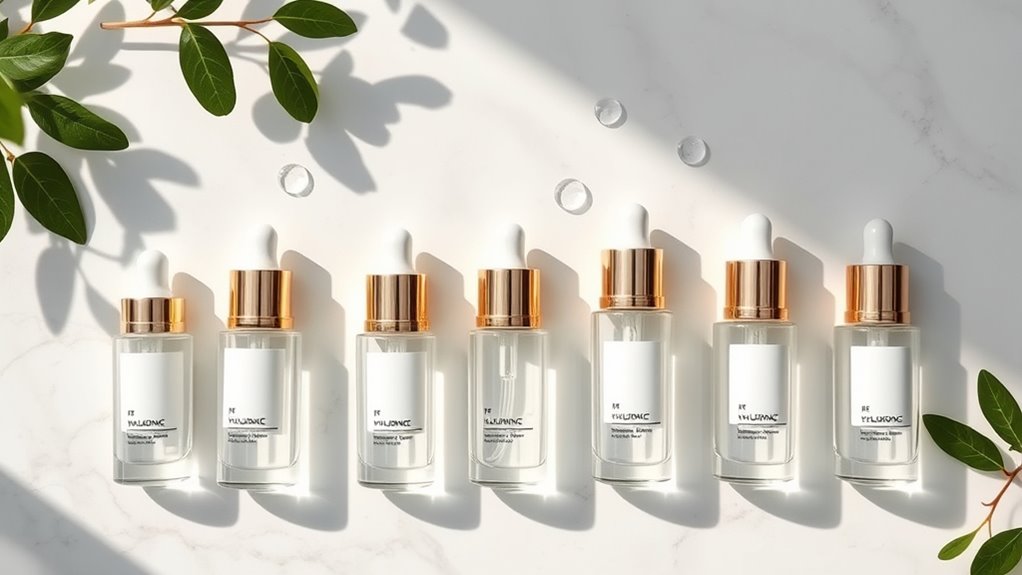

Among high-end hyaluronic acid serums, Avène Hyaluron Activ B3 is my best overall pick for pairing hydration with an anti-aging focus, while ALASTIN HA Immerse stands out for a more premium, moisture-centered routine and Vichy Minéral 89 for a simpler daily layer. The lineup ranges from focused, uncomplicated formulas to serums with added ingredients and broader skincare ambitions. That choice affects texture, routine compatibility, and how much you are paying for beyond hyaluronic acid itself. The right option depends on whether you want straightforward hydration, extra skin-supporting ingredients, or a more elevated formula. Read on for my ranking, tradeoffs, and guidance on choosing between them.

Get home appliances delivered free with Prime
- Fast, free delivery on millions of items
- Prime Video, Amazon Music and more included
- Member-only deals all year
Complete the kit


Key Takeaways
- Avène Hyaluron Activ B3 earns my overall lead by giving hydration an anti-aging role, while simpler options such as Vichy Minéral 89 keep the routine more focused.
- Good Molecules and The Ordinary offer accessible entry points; their appeal is a direct approach, while premium picks put more emphasis on the surrounding formula and experience.
- ALASTIN HA Immerse and PCA SKIN Hyaluronic Acid Boosting suit buyers seeking a more treatment-oriented serum, but their added ambition may be unnecessary if hydration is the only goal.
- La Roche-Posay Hyalu B5 and Kiehl’s 1.5% Hyaluronic Acid Serum give shoppers recognizable, focused alternatives, though ingredient concentration alone does not establish which serum will suit a routine.
- The comparison favors matching formula complexity to need: added ingredients can broaden a serum’s appeal, but a simple, comfortable layer may be the better choice for a routine already full of actives.
| Avène Hyaluron Activ B3 Plumping Anti-Aging Serum, 1 fl oz |  | Best for Barrier Support | Size: 1 fl oz | Product type: Serum | Key ingredient: Niacinamide | VIEW ON AMAZON | See Our Full Breakdown |
| Kiehl’s 1.5% Hyaluronic Acid Serum, 1 fl oz |  | Best for Concentration Transparency | Active ingredient: 1.5% hyaluronic acid | Ingredient count: 7 ingredients | Volume: 1 fl oz | VIEW ON AMAZON | See Our Full Breakdown |
| Caudalie VinoHydra Hydrating Hyaluronic Acid Serum, 30 mL |  | Best Lightweight Botanical Blend | Volume: 30 mL | Key ingredient: Hyaluronic acid | Key ingredient: Organic grape water | VIEW ON AMAZON | See Our Full Breakdown |
| ALASTIN HA Immerse Hyaluronic Acid Moisturizing Face Serum, 1 oz |  | Best Premium Peptide Pairing | Size: 1 oz | Key ingredient: Hyaluronic acid | Peptide: Octapeptide-45 | VIEW ON AMAZON | See Our Full Breakdown |
| ISDIN Isdinceutics Hyaluronic Concentrate Hydrating Face Serum, 1 fl oz |  | Best for a Firming-Focused Routine | Product type: Hydrating face serum | Size: 1 fl oz | Texture: Water-gel | VIEW ON AMAZON | See Our Full Breakdown |
| Vichy Minéral 89 Hyaluronic Acid Serum |  | Best for Sensitive Skin | Product type: Face serum | Key ingredients: Hyaluronic acid, polyglutamic acid, Vichy Volcanic Water | Formula: Fragrance-free | VIEW ON AMAZON | See Our Full Breakdown |
| Good Molecules Hyaluronic Acid Serum for Face, 2.5 fl oz |  | Best Value for Everyday Use | Volume: 2.5 fl oz | Formula: Lightweight, water-based | Skin types: All skin types | VIEW ON AMAZON | See Our Full Breakdown |
| PCA SKIN Hyaluronic Acid Boosting Hydrating Face Serum, 1 oz |  | Best for Study-Backed Hydration Claims | Product type: Hydrating face serum | Key ingredients: Hydrolyzed hyaluronic acid, HA-Pro Complex | Size: 1 oz | VIEW ON AMAZON | See Our Full Breakdown |
| La Roche-Posay Hyalu B5 Hyaluronic Acid Anti-Aging Face Serum |  | Best for a Multi-Ingredient Hydration Blend | Product type: Face serum | Key ingredients: Hyaluronic acid, glycerin, vitamin B5 | Skin types: All skin types, including sensitive skin | VIEW ON AMAZON | See Our Full Breakdown |
| The Ordinary Hyaluronic Acid 2% + B5 Serum with Ceramides | 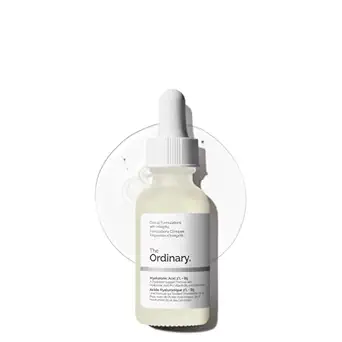 | Best for Layered Barrier Support | Key ingredients: Hyaluronic acid 2%, pro-vitamin B5, ceramides | Types of hyaluronic acid: 5 | Intended benefits: Moisture retention, skin suppleness, and smoothing the appearance of fine dry lines | VIEW ON AMAZON | See Our Full Breakdown |
| Dermalogica Circular Hydration Serum with Hyaluronic Acid |  | Best for Layering | Product type: Hydrating face serum | Key ingredients: Hyaluronic acid, algae extract, polyglutamic acid, plant-derived sugars, amino acids, postbiotic blend | Formula: Lightweight watery gel | VIEW ON AMAZON | See Our Full Breakdown |
| high end hyaluronic acid serum | Formula | Product type | Key ingredient | Key ingredients |
|---|---|---|---|---|
| Avène Hyaluron Activ B3 Plumpi | — | Serum | Niacinamide | — |
| Kiehl’s 1.5% Hyaluronic Acid S | — | — | — | — |
| Caudalie VinoHydra Hydrating H | — | — | Hyaluronic acid | — |
| ALASTIN HA Immerse Hyaluronic | Non-comedogenic | — | Hyaluronic acid | — |
| ISDIN Isdinceutics Hyaluronic | Non-comedogenic | Hydrating face serum | — | Hyaluronic acids, BioMarine extract, skin-firming peptides, lentil extract |
| Vichy Minéral 89 Hyaluronic Ac | Fragrance-free | Face serum | — | Hyaluronic acid, polyglutamic acid, Vichy Volcanic Water |
| Good Molecules Hyaluronic Acid | Lightweight, water-based | — | — | — |
| PCA SKIN Hyaluronic Acid Boost | — | Hydrating face serum | — | Hydrolyzed hyaluronic acid, HA-Pro Complex |
| La Roche-Posay Hyalu B5 Hyalur | — | Face serum | — | Hyaluronic acid, glycerin, vitamin B5 |
| The Ordinary Hyaluronic Acid 2 | — | — | — | Hyaluronic acid 2%, pro-vitamin B5, ceramides |
| Dermalogica Circular Hydration | Lightweight watery gel | Hydrating face serum | — | Hyaluronic acid, algae extract, polyglutamic acid, plant-derived sugars, amino acids, postbiotic blend |
More Details on Our Top Picks
Avène Hyaluron Activ B3 Plumping Anti-Aging Serum, 1 fl oz
Avène pairs hyaluronic acid with niacinamide, giving this serum a broader role than a formula focused mainly on hydration. That combination suits buyers who want moisture alongside support for uneven tone, texture, and the skin barrier. Compared with Kiehl’s 1.5% Hyaluronic Acid Serum, which specifies its hyaluronic acid concentration and a seven-ingredient formula, Avène puts more emphasis on niacinamide’s complementary benefits; the supplied product details do not state its hyaluronic acid percentage. Its moisturizing formula may appeal to skin that feels dry or looks dull, while shoppers seeking a lightweight, fast-absorbing texture like Caudalie VinoHydra should note that Avène’s texture is not specified here. The tradeoff is a less targeted choice for someone who wants a simple hydration serum or a clearly stated active concentration.
Pros:- Combines hyaluronic acid with niacinamide
- Designed to help strengthen the skin barrier
- Targets the appearance of uneven tone and texture
- Moisturizing formula
Cons:- Hyaluronic acid concentration is not specified in the supplied product details
- The texture and absorption time are not provided
- Its added tone and barrier focus may be unnecessary for buyers seeking hydration alone
Best for: Buyers seeking hydration plus niacinamide to support the skin barrier and address uneven tone or texture.
Not ideal for: Shoppers who want a specified hyaluronic acid concentration or a serum focused solely on lightweight hydration.
- Size:1 fl oz
- Product type:Serum
- Key ingredient:Niacinamide
- Key ingredient:Hyaluronic acid
- Listed benefits:Moisturizing; supports the skin barrier; helps even tone and texture
- Fine-line benefit:Helps soften the appearance of fine lines
Our verdict“Choose Avène if you want a moisturizing hyaluronic acid serum with niacinamide and barrier support in the same formula.”
Kiehl’s 1.5% Hyaluronic Acid Serum, 1 fl oz
Kiehl’s is the clearest pick here for buyers who want a stated active level: its formula specifies 1.5% hyaluronic acid and seven ingredients. The brand positions it around replenishing and retaining moisture, with skin meant to feel supple and bouncy. Compared with Avène Hyaluron Activ B3, Kiehl’s gives a more focused hydration brief, while Avène adds niacinamide for barrier and tone support. Its directions also make it flexible: a few drops can be layered with other skincare or mixed with liquid makeup. That versatility comes with a tradeoff: buyers looking for a more expansive ingredient story may prefer Caudalie VinoHydra’s grape water and grape-derived antioxidants, while those wanting targeted firming peptides should look to ISDIN. Kiehl’s is best for a straightforward, clearly quantified hydration step.
Pros:- Specifies 1.5% hyaluronic acid
- Seven-ingredient formula
- Designed to replenish and retain moisture
- Can be layered with skincare or mixed with liquid makeup
Cons:- Its hydration-focused brief may not address buyers seeking peptide or antioxidant benefits
- Directions call for application to clean, dry skin morning and evening, which may add a step to some routines
Best for: Dry-skin buyers who want a clearly stated hyaluronic acid concentration and a serum that can layer with skincare or liquid makeup.
Not ideal for: Shoppers seeking peptides, antioxidant-focused ingredients, or a formula with a broader set of stated treatment goals.
- Active ingredient:1.5% hyaluronic acid
- Ingredient count:7 ingredients
- Volume:1 fl oz
- Recommended use:Apply 2–3 drops to clean, dry skin morning and evening
- Skin type:Dry skin
- Layering:Can be layered with other skincare or liquid makeup
Our verdict“Pick Kiehl’s if a stated 1.5% hyaluronic acid concentration and flexible layering matter more to you than added actives.”
Caudalie VinoHydra Hydrating Hyaluronic Acid Serum, 30 mL
Caudalie distinguishes itself with a lightweight, fast-absorbing texture and a blend of hyaluronic acid, organic grape water, and grapeseed polyphenols. That makes it a fitting choice for someone who wants hydration with a botanical antioxidant angle, rather than the more concentrated, ingredient-count-led simplicity of Kiehl’s 1.5% Hyaluronic Acid Serum. The supplied product details also report a hydration increase after eight hours in an instrumental test with 11 volunteers; that result provides context, though the small test group does not establish how every buyer will respond. Caudalie is applied before moisturizer morning and evening, so it is less of a one-step option. Compared with ALASTIN HA Immerse, it foregrounds texture and grape-derived ingredients rather than a peptide intended to support natural hyaluronic acid production.
Pros:- Lightweight and fast-absorbing
- Combines hyaluronic acid with organic grape water and grapeseed polyphenols
- Designed to hydrate, plump, and soothe
- Includes a reported eight-hour instrumental hydration result
Cons:- Moisturizer is a separate step
- The reported instrumental test involved only 11 volunteers
- The supplied product details do not state a hyaluronic acid concentration
Best for: Buyers who prefer a lightweight, quick-absorbing serum with grape-derived ingredients and plan to follow with moisturizer.
Not ideal for: Anyone seeking a one-step moisturizing routine or a serum whose main distinction is peptide support for natural hyaluronic acid production.
- Volume:30 mL
- Key ingredient:Hyaluronic acid
- Key ingredient:Organic grape water
- Key ingredient:Grapeseed polyphenols
- Directions:Apply morning and evening to face and neck before moisturizer
- Reported test result:44% increased hydration after 8 hours
- Test method and group:Instrumental corneometry; 11 volunteers
Our verdict“Choose Caudalie if a light texture and grape-derived ingredients appeal more than a stated active percentage or peptide focus.”
ALASTIN HA Immerse Hyaluronic Acid Moisturizing Face Serum, 1 oz
ALASTIN earns its place for buyers seeking more than surface hydration: its Octapeptide-45 formula is described as supporting the skin’s natural hyaluronic acid production, alongside immediate and longer-lasting plumping benefits. That gives it a different emphasis from Kiehl’s 1.5% Hyaluronic Acid Serum, which names a concentration and centers moisture replenishment, or Caudalie VinoHydra, which highlights a lightweight botanical blend. ALASTIN also states that it is non-comedogenic and hypoallergenic, and that it complements dermal fillers. Those details may help buyers looking for a daily serum with a more treatment-oriented positioning. The tradeoff is that the supplied product information gives no peptide concentration or testing results, and its added claims may be more than someone needs if the goal is a basic hydration step.
Pros:- Pairs hyaluronic acid with Octapeptide-45
- Designed for immediate and longer-lasting plumping
- Targets the appearance of fine lines and wrinkles
- Described as non-comedogenic and hypoallergenic
Cons:- The supplied details do not state the hyaluronic acid or peptide concentration
- No test method or results are provided in the supplied product data
- Its peptide and filler-complement positioning may exceed the needs of buyers seeking basic hydration
Best for: Buyers seeking a daily hydrating serum with peptide support and stated non-comedogenic and hypoallergenic properties.
Not ideal for: Shoppers who want a disclosed active concentration, published test results, or a simple hydration-only formula.
- Size:1 oz
- Key ingredient:Hyaluronic acid
- Peptide:Octapeptide-45
- Use:Daily
- Formula:Non-comedogenic
- Formula:Hypoallergenic
- Stated use:Designed to complement dermal fillers
Our verdict“Choose ALASTIN if peptide support and stated formula compatibility matter more than a disclosed concentration or simple hydration.”
ISDIN Isdinceutics Hyaluronic Concentrate Hydrating Face Serum, 1 fl oz
ISDIN takes a broader firming approach than Kiehl’s hydration-centered formula, combining hyaluronic acids with skin-firming peptides, BioMarine extract, and lentil extract. Its water-gel texture may suit buyers who want a hydrating serum that feels lighter than a richer moisturizing step, while the non-comedogenic, mineral oil-free, and dermatologist-tested details speak to specific formula preferences. Compared with Avène Hyaluron Activ B3, ISDIN leans toward concerns such as firmness and the appearance of fine lines rather than barrier support and tone. The tradeoff is that the supplied details do not give active concentrations or test results for its performance claims, and they do not specify how quickly the gel absorbs. This pick makes the most sense for someone interested in a multi-ingredient firming routine, rather than a clearly quantified hyaluronic acid dose.
Pros:- Combines hyaluronic acids with skin-firming peptides
- Also contains BioMarine extract and lentil extract
- Water-gel texture
- Non-comedogenic, mineral oil-free, and dermatologist tested
Cons:- The supplied details do not state ingredient concentrations
- No review information or performance test result is provided in the supplied product data
- The available information does not specify absorption time
Best for: Buyers who want a water-gel hyaluronic acid serum with peptides and extracts aimed at dehydrated skin and loss of firmness.
Not ideal for: Shoppers who prioritize a disclosed hyaluronic acid percentage, a reported performance test, or barrier-focused ingredients such as niacinamide.
- Product type:Hydrating face serum
- Size:1 fl oz
- Texture:Water-gel
- Key ingredients:Hyaluronic acids, BioMarine extract, skin-firming peptides, lentil extract
- Testing:Dermatologist tested
- Formula:Non-comedogenic
- Formula:Mineral oil-free
- Developed in:Spain
Our verdict“Pick ISDIN if you want a water-gel hydration step with peptides and extracts aimed at firmness, and do not need a stated active percentage.”
Vichy Minéral 89 Hyaluronic Acid Serum
Vichy Minéral 89 pairs hyaluronic acid with polyglutamic acid and Vichy Volcanic Water in a fragrance-free, fast-absorbing formula. That combination makes it a flexible pick for someone who wants a simple hydration layer that can also stand in for a lightweight moisturizer. Compared with La Roche-Posay Hyalu B5, which adds glycerin and vitamin B5, Vichy keeps its listed ingredient story focused on hydration and barrier support. It suits sensitive skin according to the product data, though that does not guarantee every individual will tolerate it. The tradeoff is that its performance claims partly draw on self-assessment or clinical testing, and the description says consistent use may be needed for results. Choose it for an uncomplicated, fragrance-free routine; skip it if you want a richer cream-like finish.
Pros:- Fragrance-free formula is listed as suitable for sensitive skin
- Combines hyaluronic acid with polyglutamic acid and Vichy Volcanic Water
- Fast-absorbing texture fits easily into a layered routine
- Can be used as a serum or lightweight moisturizer
Cons:- May feel too light for people who need a substantial moisturizer
- Some performance claims rely on self-assessment or clinical tests
- The description says results may require consistent use
Best for: People with sensitive skin who want a fragrance-free hydrating serum that can double as a lightweight moisturizer
Not ideal for: Buyers seeking a rich, cushiony moisturizer or a formula with more clearly specified anti-aging actives
- Product type:Face serum
- Key ingredients:Hyaluronic acid, polyglutamic acid, Vichy Volcanic Water
- Formula:Fragrance-free
- Texture:Fast-absorbing
- Skin suitability:All skin types, including sensitive skin
- Application:Apply to cleansed, damp skin
Our verdict“Pick Vichy for a light, fragrance-free hydration step that can simplify a sensitive-skin routine.”
Good Molecules Hyaluronic Acid Serum for Face, 2.5 fl oz
Good Molecules Hyaluronic Acid Serum is a straightforward, water-based option for daily hydration, with a 2.5 fl oz size that gives routine users more product than the listed 1 oz PCA SKIN serum. Its lightweight feel and fragrance-free formula make it easy to layer, and the vegan and cruelty-free claims may matter to buyers choosing by those standards. Unlike The Ordinary Hyaluronic Acid 2% + B5 Serum with Ceramides, the supplied product details do not list ceramides or a stated hyaluronic acid concentration. Its main tradeoff is routine dependence: apply it to damp skin and follow with moisturizer to seal in hydration. That extra step may be unwelcome if you want a serum that can serve as a standalone moisturizer. It makes the most sense as a simple daily layer, rather than a treatment-focused pick.
Pros:- 2.5 fl oz volume is larger than the listed 1 oz PCA SKIN serum
- Lightweight, water-based formula absorbs quickly
- Fragrance-free and suitable for all skin types
- Listed as vegan and cruelty-free
Cons:- Requires moisturizer afterward to seal in hydration
- The supplied details do not list a hyaluronic acid concentration
- Does not list additional barrier-support ingredients such as ceramides
Best for: Daily serum users who want a lightweight, fragrance-free formula in a larger listed volume and already use moisturizer
Not ideal for: People who want a standalone moisturizing step or a formula with listed barrier-support ingredients such as ceramides
- Volume:2.5 fl oz
- Formula:Lightweight, water-based
- Skin types:All skin types
- Use:Apply to damp skin morning and night, then seal with moisturizer
- Cruelty-free:Yes
- Vegan:Yes
- Fragrance-free:Yes
Our verdict“Choose Good Molecules for everyday, lightweight hydration if you are happy to follow it with moisturizer.”
PCA SKIN Hyaluronic Acid Boosting Hydrating Face Serum, 1 oz
PCA SKIN Hyaluronic Acid Boosting Serum stands apart in this group for a supplied six-week clinical study involving 40 people, which reported improved hydration and plumping and a reduced look of fine lines. That gives buyers more specific evidence to weigh than the general hydration claims listed for Vichy Minéral 89, though the study figures should be read as reported results, not a promise for every user. The formula uses hydrolyzed hyaluronic acid and HA-Pro Complex in a light, creamy texture that absorbs quickly. It is listed for dry, oily, combination, normal, and sensitive skin, giving it broad routine flexibility. The tradeoff is the compact 1 oz size, and the supplied details do not specify fragrance status or application instructions. Choose it if the stated study results matter more to you than a larger bottle or fuller routine guidance.
Pros:- Six-week study of 40 participants reported hydration and plumping improvements
- Study also reported a reduced appearance of fine lines
- Light, creamy texture is described as quick-absorbing
- Listed as suitable for five skin types, including sensitive skin
Cons:- The study results may not reflect every user’s experience
- The listed size is 1 oz
- The supplied data does not specify fragrance status or application instructions
Best for: Buyers who want a fast-absorbing HA serum with specific study-reported hydration and plumping results
Not ideal for: People who prioritize a larger bottle or need fragrance and application details specified before choosing
- Product type:Hydrating face serum
- Key ingredients:Hydrolyzed hyaluronic acid, HA-Pro Complex
- Size:1 oz
- Texture:Light, creamy
- Absorption:Quick-absorbing
- Suitable skin types:Dry, oily, combination, normal, and sensitive
- Clinical study:6 weeks; 40 participants
- Reported results:55% increase in overall skin hydration, 60% improvement in skin plumping, 31% reduction in the look of fine lines
Our verdict“Choose PCA SKIN if study-reported hydration outcomes are a priority and a 1 oz bottle suits your routine.”
La Roche-Posay Hyalu B5 Hyaluronic Acid Anti-Aging Face Serum
La Roche-Posay Hyalu B5 adds glycerin and vitamin B5 to hyaluronic acid, giving it a broader listed hydration and moisture-barrier focus than the simpler water-based Good Molecules Hyaluronic Acid Serum. It is dermatologist-tested and allergy-tested, and the product data includes sensitive skin among its intended skin types. The formula is positioned to visibly plump skin and improve the look of fine lines and texture, so it may appeal to someone seeking more than a basic hydration layer. The evidence has a limit: the listed consumer and instrumental test results are not a guarantee of individual outcomes. The supplied details also omit size and texture, making it harder to compare how much product you get or how it will layer. Choose it for the specified ingredient blend and testing, while keeping expectations measured.
Pros:- Pairs hyaluronic acid with glycerin and vitamin B5
- Designed to hydrate and visibly plump skin
- Listed as suitable for all skin types, including sensitive skin
- Dermatologist-tested and allergy-tested
Cons:- Reported results rely on consumer and instrumental tests
- The supplied product data does not specify size or texture
- Individual results may differ from the reported outcomes
Best for: People with sensitive skin who want hyaluronic acid paired with glycerin and vitamin B5 in a tested formula
Not ideal for: Shoppers who need bottle size and texture details up front or prefer claims backed by a clearly described clinical study
- Product type:Face serum
- Key ingredients:Hyaluronic acid, glycerin, vitamin B5
- Skin types:All skin types, including sensitive skin
- Testing:Dermatologist-tested and allergy-tested
Our verdict“Choose Hyalu B5 for a sensitive-skin-friendly HA serum with glycerin and vitamin B5 in the listed formula.”
The Ordinary Hyaluronic Acid 2% + B5 Serum with Ceramides
The Ordinary Hyaluronic Acid 2% + B5 Serum with Ceramides is the most explicitly barrier-focused choice in this batch: its listed formula combines five types of hyaluronic acid with pro-vitamin B5 and ceramides. That ingredient mix gives it a different emphasis from Vichy Minéral 89, whose listed blend centers on hyaluronic acid, polyglutamic acid, and Vichy Volcanic Water. The Ordinary is aimed at hydration, suppleness, and smoothing the look of fine dry lines, making it a fit for someone whose routine needs both water-binding ingredients and ceramide support. The tradeoff is that the supplied product data does not specify texture, size, skin suitability, or application instructions, so buyers have fewer details for judging how it will fit their routine. Pick it for the stated ingredient breadth; compare those missing details against the clearer usage guidance from Vichy.
Pros:- Uses five types of hyaluronic acid
- Includes pro-vitamin B5 and ceramides
- Designed to support moisture retention and skin suppleness
- Targets the appearance of fine dry lines
Cons:- The supplied product data does not specify texture or bottle size
- Skin-type suitability and application instructions are not provided
- The ingredient list alone does not establish how it will perform for a particular routine
Best for: Routine builders seeking a hyaluronic acid serum that also lists ceramides for moisture-barrier support
Not ideal for: Buyers who need stated skin-type suitability, bottle size, or texture details before purchasing
- Key ingredients:Hyaluronic acid 2%, pro-vitamin B5, ceramides
- Types of hyaluronic acid:5
- Intended benefits:Moisture retention, skin suppleness, and smoothing the appearance of fine dry lines
Our verdict“Choose The Ordinary for a multi-form hyaluronic acid serum with ceramides, provided the missing routine details are not a concern.”
Dermalogica Circular Hydration Serum with Hyaluronic Acid
Dermalogica Circular Hydration Serum suits buyers who want a light, easy-to-layer formula with more than hyaluronic acid alone. Its watery gel combines algae extract, polyglutamic acid, plant-derived sugars, amino acids, and a postbiotic blend, with the brand claiming more than 10 hours of hydration. That makes it a useful pick for skin that feels dry or looks dull but does not call for a rich serum texture.
Compared with Vichy Minéral 89, this formula brings a broader mix of supporting ingredients; the tradeoff is a morning-and-night routine and results that depend on consistent use. Its quick absorption should suit makeup wearers and anyone layering moisturizer, though buyers seeking a once-daily step or a richer feel may prefer another option. The hydration-duration figure is a product claim, not a guarantee for every skin type.
Pros:- Watery-gel texture absorbs quickly
- Layers easily under moisturizer and makeup
- Combines hyaluronic acid with polyglutamic acid, algae extract, and other supporting ingredients
- Designed to provide immediate and sustained hydration
Cons:- Calls for application morning and night
- Full results may depend on consistent use
- The claimed 10+ hours of hydration may not reflect every user’s experience
Best for: People with dry or dull-feeling skin who want a lightweight serum that layers under moisturizer and makeup and are comfortable applying it morning and night
Not ideal for: Buyers looking for a richer, more substantial serum texture or a routine that avoids twice-daily application
- Product type:Hydrating face serum
- Key ingredients:Hyaluronic acid, algae extract, polyglutamic acid, plant-derived sugars, amino acids, postbiotic blend
- Formula:Lightweight watery gel
- Suitable for:All skin types
- Application:Apply 4–6 drops to face and neck morning and night
- Claimed hydration:10+ hours
Our verdict“Choose Dermalogica if you want a lightweight, multi-ingredient hydrating serum that fits easily into a twice-daily layering routine.”

How We Picked
I ranked these serums by how well their stated formula direction serves a clear buyer need: dependable hydration, compatibility with a broader routine, and useful supporting ingredients. I also weighed usability factors such as the likely role of the serum, how easily it can fit alongside moisturizer and other steps, and whether its positioning gives a buyer a distinct reason to choose it. A higher-end label alone did not move a product up the list.
Avène leads because it connects hydration with an anti-aging focus, giving it a broader role than a basic humectant layer. Picks such as Vichy and the two lower-cost formulas rank well for buyers who prefer simplicity or accessibility; ALASTIN and PCA SKIN speak to shoppers looking for a more treatment-led approach. The middle positions reflect differences in formula ambition and routine fit, while every serum carries a tradeoff: added complexity may not suit everyone, and straightforward hydration may not justify a premium for every buyer.
| high end hyaluronic acid serum | Product type | Key ingredient | Formula | Key ingredients |
|---|---|---|---|---|
| Avène Hyaluron Activ B3 Plumpi | Serum | Niacinamide | — | — |
| Kiehl’s 1.5% Hyaluronic Acid S | — | — | — | — |
| Caudalie VinoHydra Hydrating H | — | Hyaluronic acid | — | — |
| ALASTIN HA Immerse Hyaluronic | — | Hyaluronic acid | Non-comedogenic | — |
| ISDIN Isdinceutics Hyaluronic | Hydrating face serum | — | Non-comedogenic | Hyaluronic acids, BioMarine extract, skin-firming peptides, lentil extract |
| Vichy Minéral 89 Hyaluronic Ac | Face serum | — | Fragrance-free | Hyaluronic acid, polyglutamic acid, Vichy Volcanic Water |
| Good Molecules Hyaluronic Acid | — | — | Lightweight, water-based | — |
| PCA SKIN Hyaluronic Acid Boost | Hydrating face serum | — | — | Hydrolyzed hyaluronic acid, HA-Pro Complex |
| La Roche-Posay Hyalu B5 Hyalur | Face serum | — | — | Hyaluronic acid, glycerin, vitamin B5 |
| The Ordinary Hyaluronic Acid 2 | — | — | — | Hyaluronic acid 2%, pro-vitamin B5, ceramides |
| Dermalogica Circular Hydration | Hydrating face serum | — | Lightweight watery gel | Hyaluronic acid, algae extract, polyglutamic acid, plant-derived sugars, amino acids, postbiotic blend |
Factors to Consider When Choosing High End Hyaluronic Acid Serums
I would choose a hyaluronic acid serum by its place in the routine, not by a concentration figure or luxury cues alone. These broader questions can help narrow the field before you compare individual formulas.
Decide What You Want Beyond Hydration
Hyaluronic acid is the shared starting point, so ask what job the rest of the formula needs to do. A serum with an anti-aging focus may make sense if you want one step to support a broader routine, while a streamlined hydrator is easier to pair with products you already use. More ingredients do not automatically mean better results for your skin. They can add useful function, but they also add complexity and may duplicate another step. Check whether the serum’s supporting ingredients address a genuine gap. If they do not, a simple formula can be the more deliberate choice.
Look at the Whole Routine, Not One Percentage
A stated hyaluronic acid percentage can attract attention, but it does not tell the whole story about how a serum feels or fits. The formula around it, your moisturizer, and the order of application all shape the experience. Compare full ingredient lists and directions rather than treating a larger number as a shortcut to better hydration. If your routine already includes multiple active treatments, a simpler serum may be easier to layer. Buyers with a sparse routine may prefer a product whose formula has a wider supporting role. Choose based on the routine you can maintain comfortably.
Plan for Moisture to Be Sealed In
A hydrating serum is usually one layer in a routine, not a substitute for every moisturizing step. Consider whether you already use a moisturizer that suits your skin and climate, since that affects how much you need from the serum itself. Applying a serum as directed and following with moisturizer can make the routine feel more complete. A common mistake is buying a richer or more elaborate serum while leaving the rest of the routine unchanged and expecting it to do every job. If you dislike layering, prioritize a texture and format you will actually use. The best formula on paper is of little help if it feels awkward in daily use.
Pay More for a Clear Role
A premium serum makes the most sense when its formula, supporting ingredients, or intended role solves a need that a simpler hydrator does not. If you mainly want a straightforward hydration step, paying extra for broader positioning may add little to your routine. If you prefer a more treatment-oriented product, compare what the additional formula focus is meant to contribute and whether it overlaps with products you own. Also account for how often you will use it and whether the format encourages consistent application. Avoid equating a luxury presentation with a better match. Spend more when you can name the extra benefit you want.
Keep Sensitivity and Layering in Mind
Skin tolerance depends on the full formula and the rest of your routine, not just the presence of hyaluronic acid. Fragrance, additional active ingredients, and other personal sensitivities can all influence whether a serum is comfortable for you. Read the ingredient list and follow the product directions, especially when combining it with exfoliants or retinoids. If you are introducing several new products at once, it can be harder to identify what is causing irritation. Add one new step at a time and watch how your skin responds. When a formula does not suit you, a shorter ingredient list or a different supporting formula may be a better direction.
Frequently Asked Questions
Is a high-end hyaluronic acid serum worth choosing over a simpler formula?
It can be, if the added formula focus matches a need you actually have. Some options in this roundup position hydration alongside anti-aging or other supporting ingredients, while simpler serums keep the job narrower. I would compare those extra features with the rest of your routine before paying for overlap. If your moisturizer and treatments already cover your priorities, a more basic hydrator may be enough. Choose the premium formula for its specific role, not the label alone.
Should I pick a serum based on its hyaluronic acid percentage?
I would not use the percentage as the only deciding factor. The complete formula, directions, texture, and the moisturizer you apply afterward all affect how the serum fits into your routine. A concentration figure does not tell you whether the product suits your skin or layers well with your other steps. Compare ingredient lists and intended use instead. If two options both meet your hydration needs, choose the one that is easier to use consistently.
Can I use a hyaluronic acid serum with retinol or exfoliating acids?
Many routines include a hydrating serum alongside other treatments, but the specific products and your skin’s tolerance matter. Follow each product’s directions and avoid adding several new active formulas at the same time. A simpler hydrating layer may be easier to fit into a routine that already includes retinol or exfoliating acids. If irritation develops, pause the newest additions and reassess the combination. For persistent or severe irritation, seek advice from a qualified clinician.
Do I still need moisturizer after applying a hyaluronic acid serum?
For many routines, a moisturizer remains useful because the serum is one layer rather than a complete replacement for a moisturizing step. Your skin type, climate, and the rest of your routine affect how much support you want afterward. Follow the serum’s directions and see how your skin feels when paired with your usual moisturizer. If you already have a moisturizer you like, there may be no need to replace it just because you add a serum. The goal is a comfortable routine, not more steps for their own sake.
Which kind of formula makes the most sense for a first-time serum buyer?
I would start with a focused formula that has a clear role and is easy to pair with your existing moisturizer. That makes it simpler to learn whether a serum suits your routine before adding products with more supporting ingredients. Review the ingredient list for known sensitivities and follow the product directions. Introduce the serum as a single new step so you can tell how your skin responds. If you later want a broader anti-aging or treatment focus, you can compare more complex options.
Conclusion
My best overall choice is Avène Hyaluron Activ B3 for buyers who want hydration paired with an anti-aging focus. For a value-minded starting point, I would look at Good Molecules or The Ordinary; beginners who want a more streamlined daily layer may prefer Vichy Minéral 89. ALASTIN HA Immerse is my best premium pick for shoppers seeking a more moisture-centered, elevated formula, while PCA SKIN suits those drawn to a treatment-oriented approach. If simplicity matters most, compare Vichy with the focused Kiehl’s and Caudalie options; if you want hydration within a broader formula, consider Avène, La Roche-Posay, or Dermalogica. Choose the serum whose extra features serve a real need in your routine.