Complete the kit


Get home appliances delivered free with Prime
- Fast, free delivery on millions of items
- Prime Video, Amazon Music and more included
- Member-only deals all year
Key Takeaways
- Dynamic drivers like the Sennheiser HD 600 and HD 650 remain superior for vocal clarity and natural timbre, while planar magnetic options like the HIFIMAN Arya Organic excel in instrument separation and bass extension.
- Impedance matters more than brand prestige; high-impedance models like the DT 990 PRO 250 Ohm require substantial amplification power to avoid a thin, anemic sound, whereas low-impedance models like the DT 990 Pro X are easier to drive but may lack headroom.
- Comfort is often the deciding factor for long sessions; the Sennheiser HD 599 offers the most forgiving fit, while the HD 800 S‘s rigid headband can cause pressure points for users with larger heads.
- The Audio-Technica ATH-R70xa stands out as a rare open-back option with a relatively neutral yet engaging tuning that bridges the gap between studio utility and home enjoyment.
- Audiophile ‘neutrality’ is subjective; the beyerdynamic DT 990 PRO is technically neutral but perceived as bright due to its treble peak, making it polarizing for listeners sensitive to high frequencies.
| Sennheiser HD 560S Open-Back Over-Ear Wired Headphones |  | Best for Reference Listening | Design: Open-back, over-ear | Connectivity: Wired | Driver: 38 mm dynamic | VIEW ON AMAZON | See Our Full Breakdown |
| Sennheiser HD 505 Wired Open-Back Headphones | 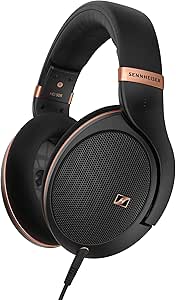 | Best for Long Listening Sessions | Design: Open-back, over-ear | Connectivity: Wired | Cable length: 1.8 m | VIEW ON AMAZON | See Our Full Breakdown |
| Audio-Technica ATH-R50x Open-Back Reference Headphones |  | Best Lightweight Studio Pick | Design: Open-back, over-ear | Driver size: 45 mm | Weight: 207 g (7.36 oz) | VIEW ON AMAZON | See Our Full Breakdown |
| Sennheiser HD 800 S Open-Back Reference Headphones |  | Best Premium Reference | Design: Open-back, over-ear | Driver: 56 mm dynamic ring radiator | Impedance: 300 ohms | VIEW ON AMAZON | See Our Full Breakdown |
| Sennheiser HD 660S2 Open-Back Audiophile Headphones |  | Best for Rich, Controlled Bass | Design: Open-back, over-ear | Driver: 42 mm dynamic | Impedance: 300 ohms | VIEW ON AMAZON | See Our Full Breakdown |
| Sennheiser HD 490 PRO Open-Back Professional Headphones |  | Best for Mixing and Production | Design: Open-back, over-ear | Frequency response: 5–36,000 Hz | Connectivity: Wired | VIEW ON AMAZON | See Our Full Breakdown |
| Sennheiser HD 600 Open-Back Wired Headphones |  | Best for Natural, Reference Listening | Design: Open-back, over-ear, wired | Impedance: 300 ohms | Frequency response: 12–39,000 Hz | VIEW ON AMAZON | See Our Full Breakdown |
| beyerdynamic DT 990 PRO 250 Ohm Open-Back Studio Headphones, Black |  | Best for Studio Setups with a Dedicated Amp | Design: Open-back, over-ear, circumaural | Impedance: 250 ohms | Frequency response: Up to 35,000 Hz | VIEW ON AMAZON | See Our Full Breakdown |
| Sennheiser HD 599 Open-Back Wired Headphones, Ivory |  | Best for Everyday Open-Back Listening | Design: Open-back, over-ear, wired | Impedance: 50 ohms | Frequency range: 12–38,500 Hz | VIEW ON AMAZON | See Our Full Breakdown |
| beyerdynamic DT 900 PRO X Open-Back Studio Headphones |  | Best for Studio Use Without a Dedicated Amp | Design: Open-back, over-ear | Impedance: 48 ohms | Driver: 45 mm STELLAR.45 | VIEW ON AMAZON | See Our Full Breakdown |
| Sennheiser HD 650 Audiophile Open-Back Dynamic Headphones | 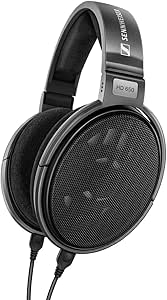 | Best Neutral Reference | Driver Size: 42 mm | Impedance: 300 Ohms | Frequency Response: 10 Hz – 41,000 Hz | VIEW ON AMAZON | See Our Full Breakdown |
| beyerdynamic DT 990 Pro X Open-Back Studio Headphones, 48 Ohm | 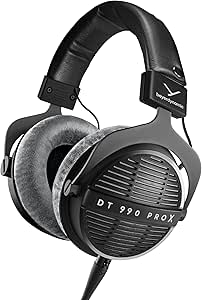 | Best Plug-and-Play Studio Tool | Impedance: 48 ohm | Driver Type: 45 mm STELLAR.45 dynamic | Sensitivity: 97 dB | VIEW ON AMAZON | See Our Full Breakdown |
| Audio-Technica ATH-R70xa Open-Back Reference Headphones |  | Best Lightweight Comfort | Weight: 199 g without cable | Design: Open-back, over-ear | Cable: Detachable, locking, dual-sided 3.0 m | VIEW ON AMAZON | See Our Full Breakdown |
| HIFIMAN Arya Organic Open-Back Planar Magnetic Headphones |  | Best Planar Performance | Driver Type: Planar magnetic | Impedance: 16 ohm | Sensitivity: 94 dB | VIEW ON AMAZON | See Our Full Breakdown |
| premium open back headphone | Design | Warranty | Impedance | Weight |
|---|---|---|---|---|
| Sennheiser HD 560S Open-Back O | Open-back, over-ear | 2 years | 120 ohms | — |
| Sennheiser HD 505 Wired Open-B | Open-back, over-ear | 2 years | — | 558 g |
| Audio-Technica ATH-R50x Open-B | Open-back, over-ear | 2 years | — | 207 g (7.36 oz) |
| Sennheiser HD 800 S Open-Back | Open-back, over-ear | 2 years for parts and labor | 300 ohms | 330 g |
| Sennheiser HD 660S2 Open-Back | Open-back, over-ear | 2 years | 300 ohms | 0.3 kg |
| Sennheiser HD 490 PRO Open-Bac | Open-back, over-ear | 2 years | — | — |
| Sennheiser HD 600 Open-Back Wi | Open-back, over-ear, wired | 2 years | 300 ohms | 260 g |
| beyerdynamic DT 990 PRO 250 Oh | Open-back, over-ear, circumaural | 2 years | 250 ohms | 1.2 pounds |
| Sennheiser HD 599 Open-Back Wi | Open-back, over-ear, wired | 1 year | 50 ohms | — |
| beyerdynamic DT 900 PRO X Open | Open-back, over-ear | 2 years | 48 ohms | 12.2 ounces |
| Sennheiser HD 650 Audiophile O | — | 2 years | 300 Ohms | — |
| beyerdynamic DT 990 Pro X Open | Open-back, over-ear | — | 48 ohm | 10.3 ounces |
| Audio-Technica ATH-R70xa Open- | Open-back, over-ear | 2 years | — | 199 g without cable |
| HIFIMAN Arya Organic Open-Back | Open-back, over-ear | 1 year | 16 ohm | — |
More Details on Our Top Picks
Sennheiser HD 560S Open-Back Over-Ear Wired Headphones
The HD 560S makes the most sense for listeners who want a clear, natural presentation for checking mixes or hearing familiar recordings with less emphasis on coloration. Its 120-ohm drivers and open design support a spacious, revealing sound, while the detachable cable and included 3.5 mm adapter make it easier to connect to common audio gear. Compared with the more premium HD 800 S, it offers a simpler setup and a less demanding step into reference listening, though it lacks that model’s balanced cable option and larger ring radiator drivers. The tradeoff is practical: the HD 560S is wired and its open ear cups let sound in and out, so it suits a quiet desk far better than commuting or shared spaces.
Pros:- Natural, accurate sound suits critical listening
- Open-back design creates a wide soundstage
- Detachable cable and included 3.5 mm adapter broaden connection options
- Lightweight construction supports longer listening sessions
Cons:- Open-back cups provide no noise isolation and leak sound
- Wired-only connectivity limits mobility
Best for: Listeners and home studio users who want natural, revealing sound from a wired headphone at a desk
Not ideal for: Commuters and people in noisy homes who need isolation, wireless listening, or privacy
- Design:Open-back, over-ear
- Connectivity:Wired
- Driver:38 mm dynamic
- Impedance:120 ohms
- Frequency range:6 Hz to 38 kHz
- Connector:6.3 mm jack with 3.5 mm adapter
- Cable:Detachable
- Warranty:2 years
Our verdict“Choose the HD 560S for spacious, reference-minded listening at home if you can live with a wired, open design.”
Sennheiser HD 505 Wired Open-Back Headphones
The HD 505 Copper Edition puts comfort and an easygoing listening setup ahead of studio flexibility. Its plush velour pads, lightweight headband, and included drawstring bag suit extended listening at a desk, while the 3.5 mm plug and screw-on 6.35 mm adapter work across laptops, mobile devices, and stereo systems. Its spacious sound and clear mids give it overlap with the HD 560S, but the supplied data does not list the HD 505’s impedance or driver size, so I would not choose it on a spec-sheet claim of easier amplification or more precise reference work. The 1.8-meter cable also keeps the setup tethered, and the open construction leaks sound and offers no isolation. It is a comfort-led pick for quiet rooms, not travel or shared offices.
Pros:- Spacious presentation with crisp highs and clear mids
- Lightweight headband and plush velour ear pads suit long sessions
- Includes both a 3.5 mm plug and 6.35 mm adapter
- Drawstring bag provides basic storage
Cons:- Wired connection and 1.8-meter cable restrict movement
- Open-back design leaks sound and does not block surrounding noise
- Not water resistant
Best for: Home listeners who prioritize soft velour padding and a comfortable wired headphone for extended sessions
Not ideal for: Travelers and shared-office listeners who need isolation, wireless use, or a longer cable
- Design:Open-back, over-ear
- Connectivity:Wired
- Cable length:1.8 m
- Connector:3.5 mm jack
- Included adapter:3.5 to 6.35 mm screw-on
- Included storage:Drawstring bag
- Weight:558 g
- Warranty:2 years
Our verdict“Pick the HD 505 if comfort and a straightforward home setup matter more than isolation or studio-focused flexibility.”
Audio-Technica ATH-R50x Open-Back Reference Headphones
At a listed 207 g, the ATH-R50x is the lineup’s clearest choice for buyers who want a reference-oriented headphone without much weight on their head. Its expansive soundstage, strong bass, and clear midrange are aimed at mixing, mastering, and critical listening; two detachable cables also make it easier to switch between a longer desk run and a shorter connection. Compared with the more elaborate Sennheiser HD 800 S, the ATH-R50x gives up the supplied balanced cable and advanced absorber design, but its lower listed weight and two cable lengths make the everyday studio setup more straightforward. The tradeoff is that its open cups offer little protection from room noise, and the available specs do not state impedance or sensitivity. Choose it for a quiet workspace, not a noisy one.
Pros:- Very light 207 g construction
- Expansive soundstage with powerful bass and clear midrange
- Two detachable cables cover different desk setups
- Includes a 6.3 mm adapter and carrying pouch
Cons:- Open-back design provides little isolation from surrounding noise
- Available product data does not list impedance or sensitivity
Best for: Mixers and detail-focused listeners who want a very light open-back headphone with flexible cable lengths
Not ideal for: People working in noisy rooms or buyers who need stated impedance and sensitivity before choosing an amplifier
- Design:Open-back, over-ear
- Driver size:45 mm
- Weight:207 g (7.36 oz)
- Cable lengths:3.0 m and 1.2 m
- Earcup connection:2.5 mm twist-lock
- Plug:3.5 mm stereo mini-plug
- Included adapter:6.3 mm
- Warranty:2 years
Our verdict“Choose the ATH-R50x for a lightweight, cable-flexible studio headphone when your listening space is quiet.”
Sennheiser HD 800 S Open-Back Reference Headphones
The HD 800 S is the most ambitious reference option in this five-model group, built around 56 mm dynamic ring radiator drivers and absorber technology intended to reduce unwanted response peaks. That makes it the natural fit for a dedicated listening chain where detailed, natural playback is the priority. Compared with the HD 560S, it adds a balanced 4.4 mm cable alongside its single-ended cable and a more elaborate driver design; the HD 560S is the simpler choice for buyers who want a less involved home setup. The 300-ohm impedance and 103 dB sensitivity mean buyers should pay attention to their source, while the 9.8-foot cable suits a seated system more than portable use. Its open construction also offers no noise control, so this premium pick belongs in a quiet room.
Pros:- Large 56 mm ring radiator drivers
- Absorber technology targets unwanted frequency response peaks
- Includes single-ended and balanced detachable cables
- Natural-sounding reference playback
Cons:- 300-ohm impedance calls for careful source matching
- Open-back design provides no noise control and leaks sound
- Long 9.8-foot cable is less convenient for portable listening
Best for: Dedicated home listeners with compatible audio equipment who want a highly detailed open-back reference headphone
Not ideal for: Portable listeners, noisy-room users, or buyers whose source cannot comfortably drive a 300-ohm headphone
- Design:Open-back, over-ear
- Driver:56 mm dynamic ring radiator
- Impedance:300 ohms
- Frequency response:4–51,000 Hz
- Sensitivity:103 dB
- Cables:Detachable single-ended 6.35 mm and balanced 4.4 mm
- Cable length:9.8 ft
- Weight:330 g
- Warranty:2 years for parts and labor
Our verdict“Choose the HD 800 S for a quiet, dedicated listening setup with a source suited to its 300-ohm impedance.”
Sennheiser HD 660S2 Open-Back Audiophile Headphones
The HD 660S2 is the pick for listeners who want a spacious open-back presentation while giving low frequencies a more prominent role. Its tuning pairs detailed highs and rich mids with deep, controlled bass, and breathable ear cushions help during long sessions. Compared with the more reference-oriented HD 560S, the HD 660S2 is the better match for buyers who want bass depth as part of an audiophile listening experience; the HD 560S remains the listed option with lower impedance, at 120 ohms versus 300. The HD 660S2 includes both 6.3 mm and balanced 4.4 mm cables, plus an adapter and pouch, but it remains a wired headphone and the 300-ohm impedance makes source matching relevant. Like the others here, its open cups cannot isolate noise or keep sound private.
Pros:- Deep, controlled bass alongside detailed highs and rich mids
- Spacious soundstage from the open-back design
- Breathable plush ear cushions suit extended listening
- Includes 6.3 mm and 4.4 mm cables, adapter, and carry pouch
Cons:- 300-ohm impedance makes source matching relevant
- Wired-only design limits mobility
- Open-back cups leak sound and provide no noise isolation
Best for: Home audiophile listeners who want an open, spacious sound with deeper bass and supplied balanced and single-ended cables
Not ideal for: Mobile listeners or buyers who need isolation and a headphone that is less dependent on source matching
- Design:Open-back, over-ear
- Driver:42 mm dynamic
- Impedance:300 ohms
- Bass details:Piano lows at 27.5 Hz; bass drums at 45–60 Hz
- Connectivity:Wired; 6.3 mm TRS and 4.4 mm TRRRS
- Cable:Detachable
- Weight:0.3 kg
- Enclosure material:Aluminum
- Warranty:2 years
Our verdict“Choose the HD 660S2 if you want richer bass than the HD 560S and have a quiet place to listen.”
Sennheiser HD 490 PRO Open-Back Professional Headphones
The HD 490 PRO is the most adaptable studio pick here: its two washable, replaceable pad sets give mixers distinct listening signatures for production and mixing without buying a second pair. Its wide soundstage and precise localization are useful when judging placement across a mix, while the lightweight, ventilated build suits long sessions. Compared with the HD 600, which is geared toward natural high-fidelity listening and mastering, the HD 490 PRO foregrounds workflow flexibility. The tradeoff is practical: its open cups offer little isolation, so nearby noise can intrude and playback can leak into a recording space. I’d choose it for studio work where pad options and comfort matter more than keeping sound private.
Pros:- Two washable, replaceable pad sets offer different sound signatures for mixing and producing
- Wide soundstage and precise localization help with stereo placement decisions
- Lightweight, ventilated construction suits extended sessions
- Detachable cable and included 6.5 mm adapter support studio setups
Cons:- Open-back cups provide limited isolation from surrounding noise
- Sound leakage can make it a poor choice for recording near microphones or quiet coworkers
Best for: Mixers and producers who want separate pad options for production and mixing during long studio sessions
Not ideal for: People recording vocals near a microphone or listening in noisy shared spaces, since the open design leaks sound and provides little isolation
- Design:Open-back, over-ear
- Frequency response:5–36,000 Hz
- Connectivity:Wired
- Cable length:1.8 m, detachable
- Included pads:Mixing and producing ear pad sets
- Included adapter:3.5 mm to 6.5 mm
- Warranty:2 years
Our verdict“Choose the HD 490 PRO if studio flexibility and long-session comfort matter more than sound isolation.”
Sennheiser HD 600 Open-Back Wired Headphones
The HD 600 makes the strongest case for listeners who want a natural presentation for high-fidelity listening, studio work, and mastering. Its 300-ohm design points toward a dedicated amplifier or capable interface, so it is less convenient than the 50-ohm HD 599 for casual setups. In return, the HD 600 pairs detailed sound with spacious stereo imaging and a light 260 g frame, making it a focused option for extended listening. Its detachable, reinforced cable is serviceable, though there is no microphone for calls or gaming. The open-back construction also leaves outside noise in and sound out. I’d rank it ahead of more accessible everyday models for reference use, but not for portability or noisy rooms.
Pros:- Detailed, natural sound with spacious stereo imaging
- Lightweight 260 g build and plush ear pads support extended listening
- Detachable, Kevlar-reinforced cable
- Includes 1/4-inch and 1/8-inch connector options
Cons:- 300-ohm impedance may call for a dedicated headphone amplifier or capable interface
- Open-back design provides limited noise isolation and leaks sound
- No microphone is included
Best for: Critical listeners and mastering engineers with an amplifier or interface suited to 300-ohm headphones
Not ideal for: Buyers seeking easy phone use, a built-in microphone, or isolation for commuting and shared rooms
- Design:Open-back, over-ear, wired
- Impedance:300 ohms
- Frequency response:12–39,000 Hz
- Total harmonic distortion:0.1%
- Weight:260 g
- Cable:Detachable, Kevlar-reinforced oxygen-free copper
- Warranty:2 years
Our verdict“Pick the HD 600 for natural reference listening if your source can drive its 300-ohm design.”
beyerdynamic DT 990 PRO 250 Ohm Open-Back Studio Headphones, Black
The DT 990 PRO suits studio listeners who want an open presentation and already have an interface or headphone amp ready to drive its 250-ohm impedance. Its 3 m coiled cable gives more reach around a desk than the HD 600’s listed cable setup, while replaceable velour pads make wear easier to address. Compared with the DT 900 PRO X, this model is less flexible for plugging straight into a laptop or phone: the DT 900 PRO X uses 48 ohms and is described as not needing an external amp. The DT 990 PRO also leaks sound and offers no isolation, so it is a poor fit for shared rooms or vocal tracking. I’d choose it when the studio rig is settled and the longer coiled cable is useful.
Pros:- Open design provides a natural soundstage for monitoring and critical listening
- Replaceable circumaural velour ear pads
- 3 m coiled cable offers reach around a studio desk
- Includes 3.5 mm and 6.35 mm jack options with adapter
Cons:- 250-ohm impedance works best with a suitable interface or headphone amplifier
- Open cups leak sound and allow surrounding noise in
- Long coiled cable is less convenient for portable listening
Best for: Studio editors and critical listeners with an interface or headphone amplifier suited to 250-ohm headphones
Not ideal for: Laptop or phone listeners who need easy drive, or anyone monitoring vocals in a room where headphone leakage matters
- Design:Open-back, over-ear, circumaural
- Impedance:250 ohms
- Frequency response:Up to 35,000 Hz
- Sensitivity:96 dB
- Driver type:Dynamic
- Cable:3 m coiled
- Weight:1.2 pounds
- Warranty:2 years
Our verdict“Choose the DT 990 PRO if you have an amp-ready studio setup and want a long coiled cable for desk work.”
Sennheiser HD 599 Open-Back Wired Headphones, Ivory
The HD 599 is the approachable everyday option in this group. Its 50-ohm impedance is a more practical match for ordinary wired sources than the 300-ohm HD 600 or 250-ohm DT 990 PRO, and the two detachable cables cover both shorter 3.5 mm connections and longer 6.3 mm setups. Replaceable velour cushions and natural spatial sound make it suited to relaxed, extended listening. The tradeoff is that it offers less studio-specific flexibility than the HD 490 PRO, which includes two pad sets designed for different production tasks. And like the other open-back models, the HD 599 provides no noise control; its wired connection also limits movement. I’d pick it for home listening when comfort and connector choice matter more than isolation or wireless convenience.
Pros:- Natural spatial sound for home music listening
- 50-ohm impedance is more accessible to everyday wired sources than the HD 600’s 300 ohms
- Two detachable cables cover 3.5 mm and 6.3 mm connections
- Replaceable velour ear cushions support long-term upkeep
Cons:- Open-back design provides no noise control
- Wired connection restricts movement
- Lacks the task-specific pad options supplied with the HD 490 PRO
Best for: Home listeners who want comfortable open-back headphones and use both compact 3.5 mm and full-size 6.3 mm sources
Not ideal for: Commuters, wireless listeners, and people who need to keep headphone sound from reaching others
- Design:Open-back, over-ear, wired
- Impedance:50 ohms
- Frequency range:12–38,500 Hz
- Driver type:Dynamic
- Cable options:Detachable 3 m cable with 6.3 mm jack; 1.2 m cable with 3.5 mm jack
- Ear cushions:Replaceable velour
- Color:Ivory
- Warranty:1 year
Our verdict“Pick the HD 599 for comfortable home listening across common wired connections, provided you do not need isolation.”
beyerdynamic DT 900 PRO X Open-Back Studio Headphones
The DT 900 PRO X brings studio-focused open-back listening to more everyday sources. Its 48-ohm impedance is specified to deliver full volume from laptops, interfaces, or phones without a separate headphone amp, a useful distinction from the 250-ohm DT 990 PRO. The STELLAR.45 driver is described as delivering high-resolution, low-distortion audio, while the wide, natural soundstage suits mixing and critical listening. A detachable mini-XLR cable and included 1/4-inch adapter add practical flexibility. Its open cups still leak sound, making it unsuitable for vocal recording near a microphone or noisy rooms. The plastic enclosure may also feel less premium than metal alternatives such as those some buyers seek in this category. I’d favor it for a capable, source-friendly studio pair.
Pros:- 48-ohm impedance is designed for full volume from laptops, interfaces, and phones
- STELLAR.45 driver is specified for high-resolution, low-distortion audio
- Wide, natural soundstage suits critical listening and mixing
- Detachable mini-XLR cable and 1/4-inch adapter are included
Cons:- Open-back design leaks sound and provides little isolation
- Sound leakage makes it unsuitable for recording vocals near a microphone
- Plastic enclosure may feel less premium than metal alternatives
Best for: Producers and critical listeners switching among laptops, phones, and interfaces without carrying a separate headphone amp
Not ideal for: Vocalists recording near a live microphone, users in noisy spaces, or buyers who prioritize a metal enclosure
- Design:Open-back, over-ear
- Impedance:48 ohms
- Driver:45 mm STELLAR.45
- Frequency response:5 Hz–40 kHz
- Sensitivity:100 dB
- Connectivity:Wired, detachable mini-XLR cable
- Weight:12.2 ounces
- Warranty:2 years
Our verdict“Choose the DT 900 PRO X for studio-focused open-back sound across common sources without a dedicated amplifier.”
Sennheiser HD 650 Audiophile Open-Back Dynamic Headphones
The Sennheiser HD 650 remains a benchmark for listeners who demand tonal accuracy over exaggerated bass. Unlike the beyerdynamic DT 990 Pro X, which offers a more playful V-shaped signature, the HD 650 delivers a flat, honest response that reveals every flaw in a recording. This makes it ideal for critical listening, but it demands a dedicated amplifier due to its 300-ohm impedance. Without proper amplification, it sounds thin and lifeless compared to easier-to-drive options. The open-back design ensures a natural soundstage but leaks sound freely, restricting use to quiet private spaces. Its velvet earpads provide comfort for hours, though the plastic build feels less premium than newer metal-framed rivals. It is a tool for purists, not casual listeners.
Pros:- Exceptionally neutral and accurate frequency response
- Low total harmonic distortion for clean audio
- Comfortable velour earpads for long sessions
- Proven durability and classic build quality
Cons:- Requires a dedicated amplifier due to high 300-ohm impedance
- Plastic housing feels dated compared to modern metal builds
- Open-back design leaks significant sound
Best for: Audiophiles with dedicated desktop amplifiers who prioritize tonal neutrality and critical listening accuracy.
Not ideal for: Casual listeners or mobile users who lack amplification gear, as the high impedance renders it underwhelming on phones.
- Driver Size:42 mm
- Impedance:300 Ohms
- Frequency Response:10 Hz – 41,000 Hz
- Sensitivity:103 dB
- Connector:3.5 mm jack with 1/4″ adapter
- Form Factor:Over-Ear, Open-Back
- Warranty:2 years
Our verdict“Choose this if you have a quality amp and want the most honest, uncolored sound profile available.”
beyerdynamic DT 990 Pro X Open-Back Studio Headphones, 48 Ohm
The beyerdynamic DT 990 Pro X solves the biggest headache for studio users: amplification. With a 48-ohm impedance, it drives cleanly from laptops, interfaces, and even smartphones, unlike the Sennheiser HD 650 which remains silent without a powerful amp. This accessibility comes with a distinct sonic character; the bass shelf is boosted, offering a more engaging, fun listen that suits music production and casual enjoyment better than strictly neutral references. The detachable mini-XLR cable is a professional touch, ensuring easy replacement if damaged. However, the plastic ear cups and headband feel less luxurious than the metal construction found on the HIFIMAN Arya Organic. It is a workhorse designed for convenience and durability rather than ultimate refinement.
Pros:- Low 48-ohm impedance allows use with phones and laptops
- Wide, natural soundstage ideal for mixing and gaming
- Detachable mini-XLR cable for easy replacement
- Includes 1/4-inch adapter for professional interfaces
Cons:- Boosted bass shelf alters tonal neutrality
- Plastic construction feels less premium than metal rivals
- Open-back design lacks isolation in shared spaces
Best for: Producers and gamers who need reliable, wide-soundstage headphones that work with any device without extra amps.
Not ideal for: Audiophiles seeking a strictly flat frequency response or those who dislike boosted bass frequencies.
- Impedance:48 ohm
- Driver Type:45 mm STELLAR.45 dynamic
- Sensitivity:97 dB
- Cable:Detachable 3 m mini-XLR
- Connectivity:3.5 mm and 6.35 mm jacks
- Weight:10.3 ounces
- Design:Open-back, over-ear
Our verdict“Pick this for its versatility and ability to sound great on any device without additional equipment.”
Audio-Technica ATH-R70xa Open-Back Reference Headphones
Weighing just 199 grams, the Audio-Technica ATH-R70xa addresses the fatigue issues common in heavier planar models like the HIFIMAN Arya Organic. Its minimal clamping force and velour pads make it suitable for marathon mixing sessions where comfort is paramount. The sound profile is analytical and detailed, with a fast transient response that helps engineers pinpoint timing errors. Compared to the Sennheiser HD 650, the ATH-R70xa offers a slightly more modern, crisp presentation, though it may lack the HD 650’s warm midrange character. The detachable locking cable prevents accidental disconnection, a thoughtful feature for busy studios. However, the lightweight frame sacrifices some structural rigidity, making it feel more fragile than its sturdier competitors.
Pros:- Extremely lightweight at 199g for all-day comfort
- Fast transient response aids in detailed audio editing
- Secure detachable locking cable design
- Replaceable velour earpads for hygiene
Cons:- Lightweight frame feels less durable than metal builds
- Minimal clamping force may feel loose for some heads
- Open-back design offers no sound isolation
Best for: Mixing engineers and editors who prioritize extreme comfort and low weight during long workdays.
Not ideal for: Users who prefer a heavy, substantial build or those who need robust isolation in noisy environments.
- Weight:199 g without cable
- Design:Open-back, over-ear
- Cable:Detachable, locking, dual-sided 3.0 m
- Earpads:Replaceable velour
- Connector:3.5 mm headphone jack
- Warranty:2 years
- Color:Black
Our verdict“This is the go-to choice for professionals who suffer from headphone fatigue during extended studio sessions.”
HIFIMAN Arya Organic Open-Back Planar Magnetic Headphones
The HIFIMAN Arya Organic represents a leap forward in planar magnetic technology, offering speed and detail that dynamic drivers like the Sennheiser HD 650 struggle to match. The stealth magnet design reduces distortion, resulting in a cleaner, more transparent soundstage with impressive instrument separation. However, this performance comes at the cost of comfort and practicality. It is significantly heavier than the Audio-Technica ATH-R70xa, which can cause pressure points during long sessions. Additionally, the low 16-ohm impedance is prone to picking up electrical noise from less-than-ideal amplifiers. While the replaceable connectors allow for cable upgrades, the supplied 6.35 mm cable limits out-of-the-box flexibility for modern digital devices.
Pros:- Superior transient speed and detail from planar driver
- Low-distortion stealth magnet design
- User-replaceable 3.5 mm connectors for cable swaps
- Ergonomic asymmetrical ear cups for better fit
Cons:- Heavier weight causes fatigue compared to dynamic models
- Low impedance can pick up electrical noise
- Supplied cable has non-standard 6.35 mm plug
Best for: Enthusiasts with high-quality amplification who want the speed and detail of planar magnetic drivers.
Not ideal for: Users with sensitive ears or neck strain, as the weight and clamping force can be tiring over time.
- Driver Type:Planar magnetic
- Impedance:16 ohm
- Sensitivity:94 dB
- Cable:Crystalline copper, 6.35 mm plug
- Connector:3.5 mm user-replaceable
- Warranty:1 year
- Design:Open-back, over-ear
Our verdict“Select this for its exceptional clarity and detail, provided you can tolerate the weight and have a clean amp.”

How We Picked
I evaluated these fourteen models based on their ability to deliver accurate frequency response, soundstage width, and tonal balance without requiring excessive EQ correction. I prioritized headphones that maintain coherence across genres, ensuring that bass-heavy tracks do not muddy the mids and treble extensions do not induce listening fatigue.
Build quality and replaceability were also critical factors. Premium headphones are long-term investments, so I favored models with accessible ear pads and headband components. Finally, I considered the amplification requirements, distinguishing between headphones that can run off a smartphone dongle and those that demand a dedicated desktop amplifier or DAC.
| premium open back headphone | Design |
|---|---|
| Sennheiser HD 560S Open-Back O | Open-back, over-ear |
| Sennheiser HD 505 Wired Open-B | Open-back, over-ear |
| Audio-Technica ATH-R50x Open-B | Open-back, over-ear |
| Sennheiser HD 800 S Open-Back | Open-back, over-ear |
| Sennheiser HD 660S2 Open-Back | Open-back, over-ear |
| Sennheiser HD 490 PRO Open-Bac | Open-back, over-ear |
| Sennheiser HD 600 Open-Back Wi | Open-back, over-ear, wired |
| beyerdynamic DT 990 PRO 250 Oh | Open-back, over-ear, circumaural |
| Sennheiser HD 599 Open-Back Wi | Open-back, over-ear, wired |
| beyerdynamic DT 900 PRO X Open | Open-back, over-ear |
| Sennheiser HD 650 Audiophile O | — |
| beyerdynamic DT 990 Pro X Open | Open-back, over-ear |
| Audio-Technica ATH-R70xa Open- | Open-back, over-ear |
| HIFIMAN Arya Organic Open-Back | Open-back, over-ear |
Factors to Consider When Choosing Premium Open Back Headphones
Selecting the right pair involves more than just reading spec sheets. These factors will help you align your purchase with your actual listening habits and equipment.Driver Technology: Dynamic vs. Planar Magnetic
Most premium open-back headphones use dynamic drivers, which are known for natural timbre and a cohesive sound signature. Planar magnetic drivers, found in the HIFIMAN Arya Organic, use a thin diaphragm with embedded conductors, offering faster transient response and less distortion at high volumes. While planars often provide superior detail and bass texture, they can sometimes sound overly analytical or lacking in the ‘body’ that dynamic drivers provide. If you listen to classical or jazz where instrument separation is key, planars are worth the effort; for vocal-centric genres, dynamics often feel more engaging.
Impedance and Amplification Needs
High impedance does not automatically mean better sound, but it does mean more resistance to current flow. Headphones like the beyerdynamic DT 990 PRO 250 Ohm require a powerful amplifier to control the driver, especially in the bass region. Plugging these into a weak source results in a thin, lacking sound. Conversely, low-impedance models like the DT 990 Pro X are easier to drive but can be prone to noise if the source has a high output impedance. Always check your amplifier’s power output before investing in high-impedance cans.
Sound Leakage and Environment
Open-back designs allow air to move freely through the driver, which creates the spacious soundstage audiophiles crave. The tradeoff is that sound escapes freely, making them unsuitable for offices, shared spaces, or quiet libraries. If you live in a noisy apartment, the external noise entering the ear cups can mask subtle details, negating the benefits of a premium driver. In such cases, a closed-back model might actually provide a better perceived dynamic range than an open-back struggling against ambient noise.
Comfort and Long-Term Wearability
Weight distribution and clamping force determine whether you can wear headphones for three hours or thirty minutes. The Sennheiser HD 599 is engineered for comfort with soft velour pads and light clamping, whereas the Sennheiser HD 800 S features a rigid headband that may cause hotspots for some users. Material choice also matters; leather pads can get warm, while velour pads breathe better but may absorb sweat. If you wear glasses, look for models with deep ear cups to avoid temple pressure.
Source Quality and DAC Compatibility
Premium open-back headphones are revealing; they will expose the flaws in your audio source. A low-quality MP3 stream will sound harsh and compressed on the Sennheiser HD 800 S, whereas it might sound acceptable on a consumer-grade closed-back. To get the most out of these headphones, you need a high-resolution source file and a competent Digital-to-Analog Converter (DAC). Investing in a good DAC is often more impactful than upgrading from a mid-tier to a high-tier headphone.
Frequently Asked Questions
Do I really need a dedicated amplifier for premium open-back headphones?
It depends on the impedance and sensitivity of the specific model. Low-impedance models like the Sennheiser HD 599 can sound decent from a high-quality laptop or phone, but they still benefit from a clean power source. High-impedance models like the DT 990 PRO 250 Ohm or the Sennheiser HD 600 will sound weak, distorted, and lacking in bass without a dedicated amplifier. If you plan to use these headphones for critical listening, a desktop amplifier or a high-end portable DAC/amp combo is a necessary part of the system.
Are planar magnetic headphones better than dynamic drivers for gaming?
Generally, no. Planar magnetic headphones like the HIFIMAN Arya Organic excel in music detail but can have a longer decay or ‘smear’ in fast-paced audio, which might blur positional cues in competitive gaming. Dynamic drivers tend to have a more immediate attack and natural decay, making footstep localization clearer for many gamers. Additionally, the heavy clamping force of some planars can be uncomfortable during long gaming sessions. For gaming, a well-tuned dynamic driver often provides a more practical and responsive experience.
How do I know if an open-back headphone is too bright for my ears?
Brightness is often caused by a peak in the treble frequencies, typically between 8kHz and 10kHz. The beyerdynamic DT 990 PRO is famous for this peak, which some users find energetic and others find painful. If you are sensitive to sibilance (the ‘s’ sounds in vocals), you should look for models with a smoother treble roll-off, such as the Sennheiser HD 650 or HD 600. Reading frequency response graphs can help, but real-world listening impressions are more reliable for judging subjective brightness.
Can I use premium open-back headphones for mixing and mastering?
Yes, but only if you have a properly treated acoustic environment. Open-back headphones like the Audio-Technica ATH-R70xa and Sennheiser HD 650 are industry standards for mixing because they provide a natural, uncolored sound that translates well to speakers. However, they do not isolate bass frequencies well, so you cannot accurately judge low-end balance compared to closed-backs or studio monitors. Many engineers use open-backs for mid-range clarity and high-end detail, while using a subwoofer or closed-backs for bass verification.
Is the Sennheiser HD 600 still worth buying in 2027 given its age?
Absolutely. The Sennheiser HD 600 remains a reference standard because its tonal balance is nearly perfect for critical listening. While newer models may offer more bass extension or a wider soundstage, the HD 600’s mid-range accuracy is difficult to beat. It serves as an excellent neutral starting point for EQ, meaning you can tweak it to taste without fighting a strong inherent coloration. Its build quality is also legendary, with easily replaceable parts that make it a durable long-term investment.
Conclusion
Choosing the right premium open-back headphones depends on your listening environment and equipment. For the best overall balance of neutrality and build quality, the Sennheiser HD 600 is the safest and most rewarding choice. If you want best value with a modern twist, the Sennheiser HD 560S offers a flat response at a lower price point, though it lacks the refinement of the 600 series. For beginners entering the hobby, the Sennheiser HD 599 provides comfort and a forgiving sound that doesn’t require expensive amplification. Audiophiles seeking maximum detail should look to the HIFIMAN Arya Organic, provided they have the amplifier to drive it properly. Finally, for studio professionals, the Audio-Technica ATH-R70xa bridges the gap between accuracy and enjoyment, making it a versatile tool for long work sessions.