
Understanding jewelry hallmarks and stamps is vital for evaluating metal purity and authenticity. Look for marks like “14K” or “585” to know if gold is genuine and its karat level, and “925” for sterling silver. Recognize origin stamps to verify gemstone sources and authenticity. Properly identifying these marks helps you avoid counterfeits and make smarter purchases. Keep exploring to discover more essential tips for becoming a confident jewelry buyer.

Get home appliances delivered free with Prime
- Fast, free delivery on millions of items
- Prime Video, Amazon Music and more included
- Member-only deals all year
Key Takeaways
- Hallmarks indicate metal type and purity, confirming jewelry authenticity and value.
- Recognizing stamps like “925” or “14K” helps verify genuine materials.
- Gemstone stamps reveal origin, affecting authenticity and investment potential.
- Understanding hallmark standards across countries prevents counterfeit and poorly made jewelry.
- Knowledge of stamps guides proper cleaning and maintenance based on materials.
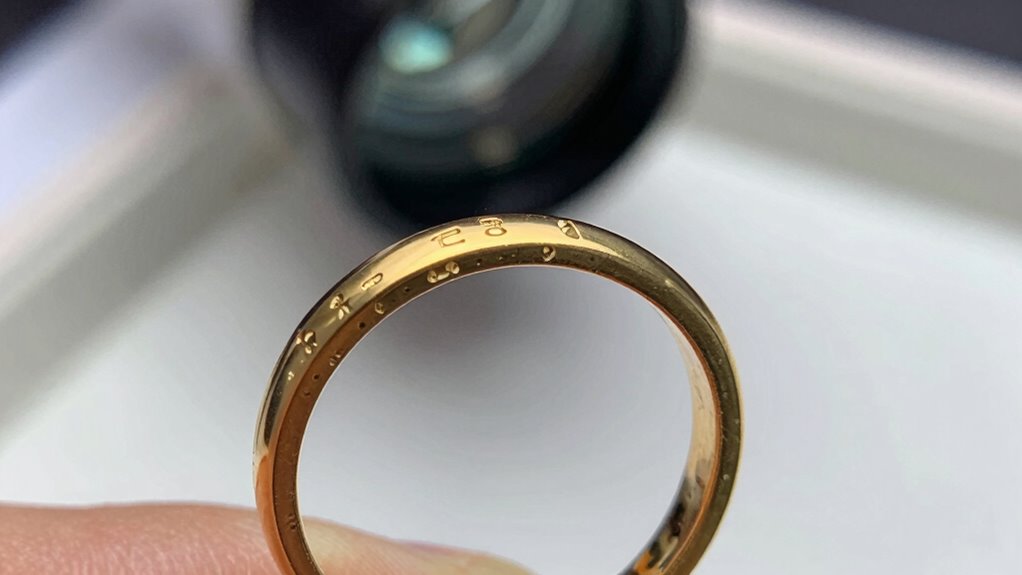
Are you unsure how to navigate the jewelry buying process? Understanding the hallmarks and stamps on jewelry can make a huge difference in ensuring you’re getting quality pieces. When you examine jewelry, one of the first things to look for is the hallmark—an official mark stamped into the metal that indicates its metal type and purity. These stamps tell you whether the piece is made of solid gold, silver, platinum, or a different alloy. For example, a 14K gold piece will often bear a hallmark like “14K” or “585,” while sterling silver is marked “925.” Recognizing these marks helps you determine the value and authenticity of your jewelry. Additionally, many countries have specific hallmarking standards, so knowing what to look for can prevent you from falling for counterfeit or poorly made pieces. Being familiar with hallmarking standards can further enhance your confidence in identifying genuine jewelry.
Beyond hallmarks, it’s important to understand the significance of stamps indicating gemstone origins. When a piece features gemstones, the marking can reveal where the stones originate, which may influence their value. For example, a diamond stamped with “GIA” indicates certification from the Gemological Institute of America, assuring quality and origin. Similarly, certain labels like “Colombia” or “Siberia” can pinpoint the gemstone’s geographic source, which some collectors and buyers prefer. Knowing the gemstone origins helps you assess authenticity and make informed decisions, especially when considering investments or unique collectibles. Moreover, understanding gemstone origin can help you identify whether a gemstone is natural or synthetic, impacting its value and desirability.
Another critical aspect of jewelry buying is knowing how to care for your pieces after purchase. Jewelry cleaning techniques vary depending on the metal and gemstones involved. For delicate stones like opals or pearls, gentle cleaning with a soft cloth is usually best, while harder stones such as sapphires or diamonds might require more robust cleaning methods. Using harsh chemicals or abrasive materials can damage your jewelry, so always follow recommended jewelry cleaning techniques. Regular cleaning not only keeps your jewelry looking its best but also preserves the integrity of the metal and stones over time. This knowledge of proper care is essential to maintain the beauty and longevity of your treasured pieces.
Products Worth Considering

Shark PowerDetect Corded Stick Vacuum, Self-Cleaning (Eggplant, HZ4002)

Sony BRAVIA 5 85-Inch Mini LED 4K HDR Smart TV (K-85XR50)

Shark Rocket Pet Plus Corded Stick Vacuum, Lightweight, Bordeaux, HV322
As an affiliate, we earn on qualifying purchases.
Frequently Asked Questions
How Do I Verify the Authenticity of Jewelry Hallmarks?
To verify jewelry hallmarks, start by examining the stamp closely with a magnifying glass or jeweler’s loupe. Compare it to reputable sources or hallmark charts. You can also get your jewelry professionally appraised, where experts will confirm authenticity through gemstone identification and jewelry cleaning. Avoid relying solely on the stamp; physical inspection and expert evaluation guarantee you truly know the jewelry’s authenticity and value.
Are All Stamps and Hallmarks Necessary for Genuine Jewelry?
A stitch in time saves nine, and that applies to jewelry too. Not all stamps are necessary for genuine pieces, but genuine jewelry often bears hallmarks or stamps indicating metal quality or origin. Focus on proper jewelry care and styling tips to keep your pieces shining. While stamps help verify authenticity, your overall jewelry care and styling choices also guarantee your jewelry remains beautiful and authentic over time.
Can Hallmarks Be Forged or Manipulated?
Yes, hallmarks can be forged or manipulated. Criminals often engage in hallmark forgery or stamp manipulation to make fake jewelry appear genuine. They may alter or duplicate stamps, making it tricky to tell authentic pieces from counterfeit ones. As a buyer, you should inspect hallmarks carefully, look for inconsistencies, and consider professional appraisal to avoid falling victim to these deceptive practices.
What Are the Differences Between Hallmarks and Stamps?
Hallmarks are official marks indicating a jewelry’s metal purity, often regulated by authorities, ensuring jewelry craftsmanship meets standards. Stamps, on the other hand, are design signatures or brand logos added by jewelers or designers to identify their work. While hallmarks verify authenticity and quality, stamps showcase a designer’s unique style. Recognizing both helps you assess a piece’s origin, craftsmanship, and value, making your jewelry buying more informed.
How Do I Interpret Outdated or Unclear Jewelry Markings?
When you encounter outdated or unclear jewelry markings, start by researching antique markings, as they often differ from modern hallmarking standards. Use reputable resources or consult a jewelry expert to interpret these symbols accurately. Antique markings may indicate older craftsmanship or different standards, so understanding their context helps you assess value. Modern hallmarking is clearer, but for older pieces, expert guidance guarantees you correctly identify the metal and authenticity.
Conclusion
Understanding the hallmarks and stamps on jewelry is like revealing a treasure map—each mark guides you to genuine quality and value. By paying attention to these tiny symbols, you become a savvy explorer in the world of jewelry, avoiding pitfalls and ensuring your investment sparkles with authenticity. So, next time you shop, remember: these marks are your compass, leading you confidently toward pieces that truly shine with worth and beauty. Happy hunting!