
TL;DR

Get home appliances delivered free with Prime
- Fast, free delivery on millions of items
- Prime Video, Amazon Music and more included
- Member-only deals all year
Nairobi has completed upgrades to its sewer treatment facilities in Ruai and Kariobangi, increasing capacity and improving sanitation. The project aims to address urban growth and environmental concerns.
Nairobi has completed upgrades to its sewer treatment facilities in the neighborhoods of Ruai and Kariobangi, significantly increasing the city’s wastewater processing capacity. This development is part of the city’s efforts to improve sanitation, reduce pollution, and support urban expansion, with officials emphasizing the importance of infrastructure modernization.
The Nairobi City Water and Sewerage Company (Nairobi Water) announced the completion of the sewer treatment upgrades in Ruai and Kariobangi on March 2024. The projects involved expanding treatment capacity from approximately 20,000 cubic meters per day to over 35,000 cubic meters, enabling the city to better manage the increasing volume of wastewater generated by these rapidly growing areas.
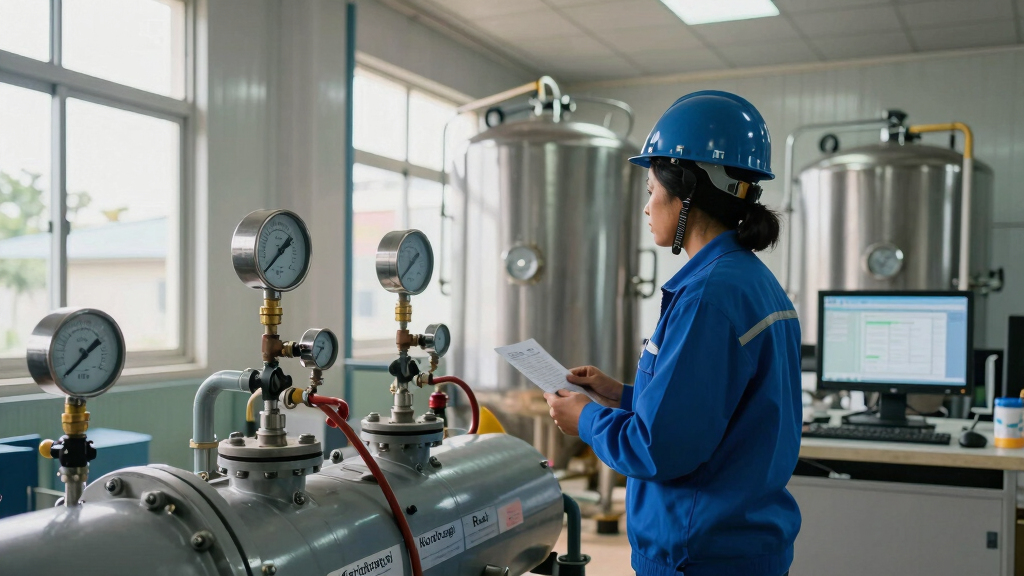
Officials stated that the upgrades include new treatment tanks, improved piping systems, and modernized treatment technology designed to meet environmental standards. Nairobi Water’s Managing Director, Samuel Kimani, confirmed that the upgraded facilities are operational and have begun processing wastewater with improved efficiency.
The upgrades are part of a broader strategy to enhance Nairobi’s sanitation infrastructure, which has faced challenges due to rapid urbanization and population growth. The city’s population has grown significantly over the past decade, increasing pressure on existing sewer systems, which often led to overflows and pollution in local water bodies.
Impact of Sewer Capacity Expansion on Nairobi’s Environment
The increased sewer treatment capacity in Ruai and Kariobangi is expected to significantly reduce untreated wastewater discharge into local rivers and lakes, thereby improving water quality and public health. Environmental experts have highlighted that proper wastewater management is critical to preventing waterborne diseases and protecting biodiversity in Nairobi’s waterways.
Additionally, the upgrades support Nairobi’s broader urban development goals, enabling sustainable growth and reducing the risk of sanitation-related health crises. The improvements also align with national policies aimed at achieving universal access to safe sanitation by 2030.
As an affiliate, we earn on qualifying purchases.
Background on Nairobi’s Sewer Infrastructure Challenges
Nairobi’s sewer infrastructure has historically struggled to keep pace with its rapid population growth, which has increased from about 2 million in 2000 to over 4.5 million today, according to Kenya National Bureau of Statistics. Many neighborhoods, especially informal settlements, lack adequate sanitation facilities, leading to environmental pollution and health risks.
Prior to these upgrades, existing treatment plants operated near or below capacity, often resulting in untreated or poorly treated wastewater being discharged into rivers such as the Nairobi River, which has suffered from pollution issues for years. The city’s infrastructure development plans have prioritized expanding capacity and modernizing treatment facilities to address these issues.
As an affiliate, we earn on qualifying purchases.
Remaining Questions About Long-Term Impact and Capacity
It is not yet clear how much the upgrades will reduce pollution levels in Nairobi’s waterways over the next year, or whether further expansions will be needed to meet future demand. Details on the total funding allocated and timelines for additional infrastructure projects are still emerging.
As an affiliate, we earn on qualifying purchases.
Next Steps for Nairobi’s Sanitation Infrastructure Development
City officials plan to monitor the performance of the upgraded facilities over the coming months and assess their impact on water quality. Further investments in sewer networks, especially in informal settlements, are expected to follow as part of Nairobi’s broader sanitation improvement plan. The government and Nairobi Water are also exploring funding options for additional capacity expansions to keep pace with ongoing urban growth.
As an affiliate, we earn on qualifying purchases.
Key Questions
What specific improvements were made in the sewer treatment plants?
The upgrades included new treatment tanks, modernized piping systems, and advanced wastewater treatment technology to increase capacity and efficiency.
How will these upgrades affect local water bodies?
The increased capacity is expected to reduce untreated wastewater discharge, thereby improving water quality in rivers and lakes around Nairobi.
Are there plans for further sewer infrastructure development?
Yes, officials have indicated ongoing plans to expand sewer networks, especially in informal settlements, and to secure funding for future projects.
When will the full benefits of these upgrades be visible?
Performance monitoring will continue over the next few months, with expected noticeable improvements in water quality within the year.
Will these upgrades address all sanitation issues in Nairobi?
While they significantly improve capacity, some challenges remain, particularly in informal settlements where sanitation infrastructure is still inadequate.
Source: local
NFL season / tailgating Picks
team gear
As an affiliate, we earn on qualifying purchases.