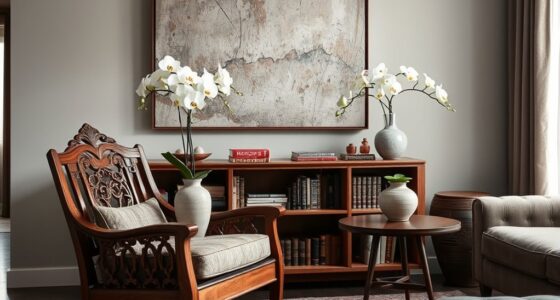

High-end furniture often looks simple because designers focus on clean lines and natural materials, emphasizing craftsmanship over decoration. The higher costs come from using genuine, durable materials like solid wood or natural leather, and from skilled artisans who spend hours perfecting each piece. Their time-consuming techniques and commitment to quality lead to long-lasting furniture that remains stylish over time. If you want to understand how these principles add value, keep exploring the details behind this approach.

Get home appliances delivered free with Prime
- Fast, free delivery on millions of items
- Prime Video, Amazon Music and more included
- Member-only deals all year
Key Takeaways
- High-end furniture emphasizes minimalist design to highlight quality materials and craftsmanship, not ornate decoration.
- Authentic, high-quality materials are costly but ensure durability and timeless beauty.
- Skilled artisans spend extensive time on handcrafted details, increasing production costs.
- Simplicity reduces manufacturing complexity, but requires precision and premium materials, raising overall price.
- The focus on longevity and timeless appeal makes these pieces a valuable long-term investment.

While high-end furniture often appears simple and minimalist, it typically comes with a steep price tag. This might seem counterintuitive at first, especially since the designs often favor clean lines and understated elegance. However, the true cost isn’t just about the final look; it’s rooted in the quality of what’s behind the scenes. Material authenticity plays a vital role here. When you invest in luxury furniture, you’re paying for genuine, high-quality materials—solid wood, natural leather, or rare textiles—that stand the test of time. These aren’t mass-produced or synthetic materials but authentic elements carefully selected for their durability, beauty, and tactile appeal. This authenticity guarantees that each piece isn’t just visually appealing but also resilient and sustainable over the long haul.
High-end furniture’s true value lies in genuine materials that combine durability, beauty, and lasting quality.
Beyond the materials, artisan craftsmanship is what truly elevates high-end furniture into a league of its own. When you choose such pieces, you’re paying for skilled artisans who dedicate hours—sometimes days or weeks—to craft each item. They meticulously carve, assemble, and finish every detail by hand, ensuring precision and artistry that machines simply can’t replicate. This level of craftsmanship guarantees a unique character for each piece, with subtle imperfections that speak to its handmade origins. The process requires not only exceptional skill but also patience and a deep understanding of traditional techniques, which add layers of value and exclusivity. Furthermore, the deliberate simple design often emphasizes the quality and authenticity of the materials used, rather than relying on ornate decoration or embellishments. A focus on timeless aesthetics helps these furniture pieces remain stylish across changing trends, increasing their long-term value.
The simplicity in design isn’t about cutting corners; it’s a deliberate choice that highlights quality over quantity. High-end furniture often relies on restraint, letting the natural beauty of premium materials and expert craftsmanship take center stage. When you see a sleek, minimalist table or chair, it’s often the result of careful planning to maximize the integrity of the materials and craftsmanship involved. This focus on authenticity and artisanal work means that the manufacturing process is more time-consuming and costly, translating into higher prices. You’re paying for pieces that are not only aesthetically timeless but also built to last, with every detail reflecting a commitment to excellence.
In essence, the higher price tag isn’t about unnecessary extravagance. It’s about investing in authenticity—materials that truly stand out and craftsmanship that’s painstakingly perfected. When you understand that these qualities come with a premium, it becomes clear why high-end furniture looks simple yet costs more. It’s a testament to the value of genuine materials and the skill of artisans who create pieces meant to endure for generations.
As an affiliate, we earn on qualifying purchases.
Frequently Asked Questions
How Do Designers Choose High-Quality Materials for Luxury Furniture?
You select high-quality materials through careful material sourcing, prioritizing durability and aesthetic appeal. You build strong supplier relationships to guarantee consistent access to premium resources. By personally inspecting materials and trusting reputable suppliers, you guarantee the furniture’s excellence. This meticulous process helps you create luxury pieces that look simple but are crafted from the finest, most durable materials, justifying their higher cost and appealing to discerning clients.
What Craftsmanship Techniques Differentiate High-End Furniture From Cheaper Options?
Did you know that high-end furniture often involves over 200 hours of craftsmanship? You’ll notice artisanal finishing, where skilled artisans meticulously apply hand-rubbed finishes, and bespoke carving, creating intricate details impossible with mass production. These techniques require patience, precision, and a mastery that elevates furniture beyond simple looks. This craftsmanship guarantees each piece is unique, durable, and visually refined, justifying the higher cost compared to cheaper, machine-made alternatives.
Why Do Minimalist Designs Often Appear More Expensive?
You notice minimalist designs often seem more expensive because luxury branding elevates their appeal, making simplicity look sophisticated and exclusive. The clean lines and uncluttered aesthetic emphasize quality craftsmanship and premium materials, which justify higher prices. Minimalist aesthetics also suggest timeless elegance, attracting buyers seeking understated luxury. By focusing on subtle details and refined finishes, high-end furniture achieves a high perceived value that aligns with luxury branding, even with a simpler appearance.
How Does Brand Reputation Influence Furniture Pricing?
Brand reputation considerably influences furniture pricing because you pay for brand prestige and trust. When a brand uses effective marketing strategies, it elevates perceived value, making their pieces seem more exclusive and desirable. You’re often willing to spend more on furniture from a renowned brand because it promises quality, status, and durability. This reputation allows brands to set higher prices, knowing customers associate their name with luxury and craftsmanship.
Are There Hidden Costs in High-End Furniture Purchases?
Yes, there are hidden costs when buying high-end furniture. You might pay extra for sustainable sourcing, ensuring environmentally friendly materials, or for vintage restoration, which preserves craftsmanship and history. These costs often surpass initial prices, adding value through quality and sustainability. So, while the sticker price seems steep, you’re investing in timeless, eco-conscious pieces crafted with care, making your purchase truly priceless in the long run.
As an affiliate, we earn on qualifying purchases.
Conclusion
Ultimately, the allure of high-end furniture lies in its understated elegance, where simplicity whispers sophistication. While it may seem to cost more, you’re paying for meticulous craftsmanship, rare materials, and subtle details that elevate its value. Remember, what appears straightforward often embodies a quiet mastery that’s hard to quantify. So, when you choose these pieces, you’re investing in more than just furniture — you’re embracing an artful balance of restraint and refinement that enriches your space in ways words can’t fully capture.
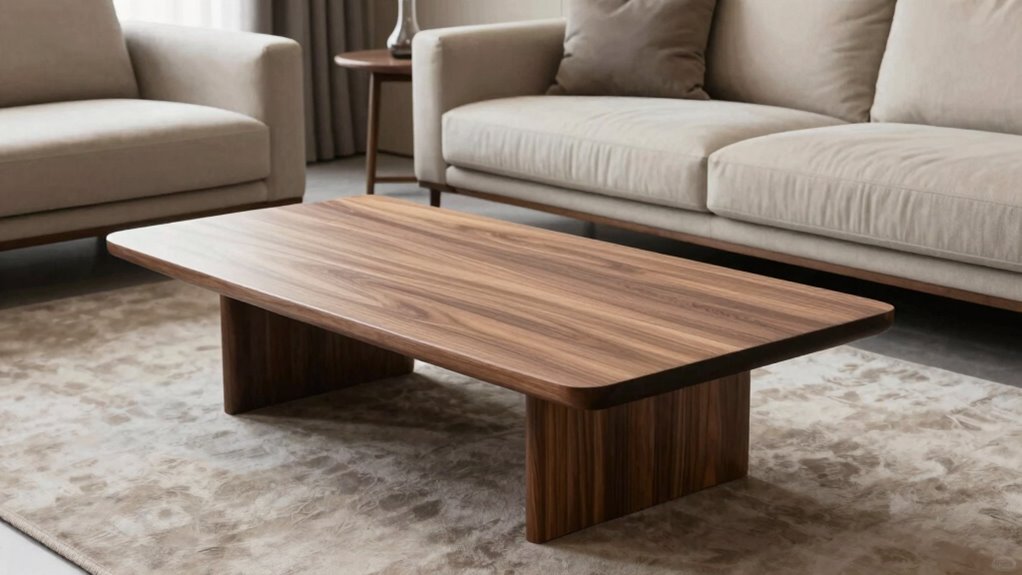
handcrafted minimalist coffee table
As an affiliate, we earn on qualifying purchases.
As an affiliate, we earn on qualifying purchases.
artisan crafted bedroom furniture
As an affiliate, we earn on qualifying purchases.
As an affiliate, we earn on qualifying purchases.
NFL season / tailgating Picks
team gear
As an affiliate, we earn on qualifying purchases.