TL;DR

Get home appliances delivered free with Prime
- Fast, free delivery on millions of items
- Prime Video, Amazon Music and more included
- Member-only deals all year
CNET’s hands-on report says Apple’s HomeView smart-home display made a strong impression during an hour-long demonstration in New York. The reporter saw Apple Home-based device setup and Face ID personalization, but the event did not establish the product’s full compatibility, pricing, or performance in ordinary homes.
Apple’s HomeView, a smart-home display shown at the company’s Welcome Home event in New York City, impressed a CNET reporter with a demonstration of device setup through Apple Home and profiles tied to Face ID. The report describes an event demo, not an independent test of the product at home, so claims about everyday reliability and broad device support remain unverified.
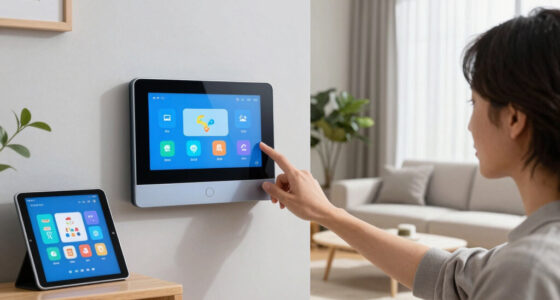
In the CNET report, the writer says they spent more than an hour viewing and interacting with HomeView across several staged environments. The main appeal was the possibility of managing compatible smart-home products through Apple’s Home app, rather than installing and maintaining separate apps and accounts for each manufacturer. An Apple representative demonstrated pairing a new device with both an iPhone and HomeView while continuing a conversation.
The report says HomeView was presented as working with products in Apple’s Home collection, including devices from LG and Schneider Electric, as well as Matter-compatible and Apple Home accessories. The writer expected that many devices from Amazon and Google might also work, but Apple did not confirm that in the material provided. That expectation should not be read as a confirmed compatibility list.
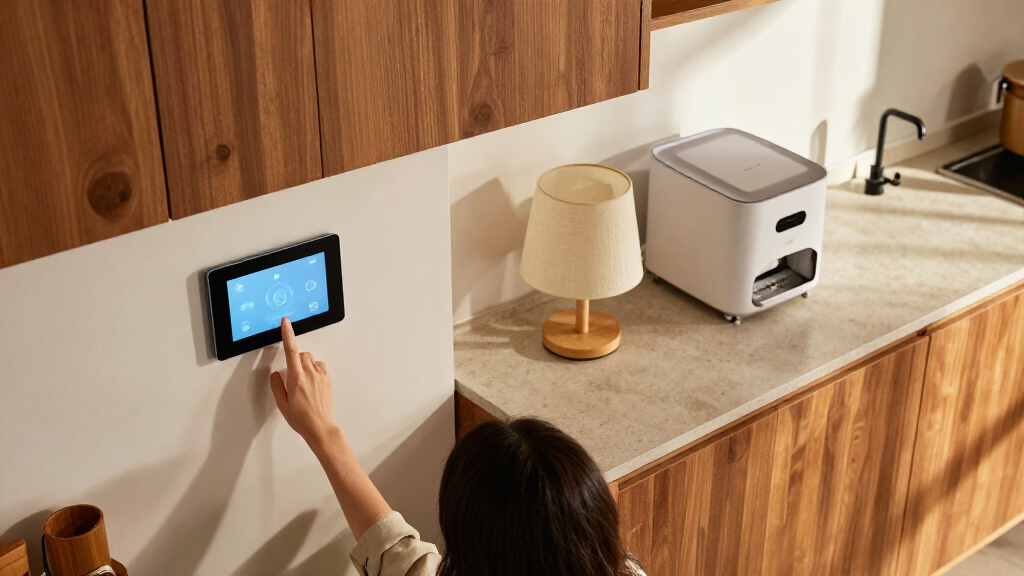
The display has a 7-inch square Liquid Retina screen, according to the report. In the kitchen demonstration, it showed recipes, timers and controls, with the screen adjustable and tilted on its base. The writer also saw Face ID identify a user and bring up that person’s calendar, scheduled events and preferred screen. The report says the device can recognize up to six people and offer separate profiles; Apple did not detail possible child accounts or parental controls.
A Simpler Route Into Smart Homes
Smart-home products can require separate apps, logins and setup steps, even when they are meant to work together. The CNET writer, who described using products from several brands and relying on an Echo Show and Alexa, said the arrangement was functional but difficult to manage. HomeView’s demonstrated approach could matter if it reduces that friction for households that want devices from more than one maker.
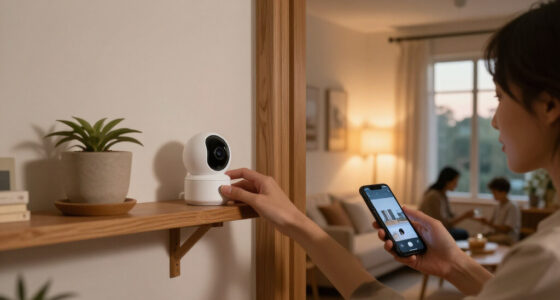
The reported Face ID profiles also point to a practical privacy and access question: who can see personal information or control devices on a shared screen? In the staged examples, the owner saw personalized information, while a display near the home’s exterior showed a camera feed and limited guest access. Those demonstrations suggest potential uses, but they do not establish how permissions will work across a complete household setup.
The significance will depend on what HomeView supports outside Apple’s own demonstrations. A simple interface would be less useful if important devices do not connect, or if setup and troubleshooting still require manufacturer apps. The hands-on report offers an encouraging impression of the interface, not evidence that those broader problems have been solved for all users.
As an affiliate, we earn on qualifying purchases.
What the New York Demo Showed
The source is a CNET hands-on report based on an Apple Welcome Home event in New York City. The writer says they tested smart-home products professionally and described a home setup spanning lighting, fans, plugs, cameras, a smart litter box and robot vacuums. That experience shaped the comparison: the writer was skeptical that another screen alone could make a mixed-brand system easier to use.
At the event, Apple representatives presented HomeView in several simulated settings, including a bedroom, kitchen and home exterior. The writer says the device pairing demonstration looked immediate and similar to pairing AirPods or a HomePod, but also says they did not have time to examine the setup process in detail before moving to another demonstration. The report therefore records what was shown, rather than a full technical evaluation.
The kitchen example emphasized the display’s compact, square format for recipes and timers. The bedroom example highlighted personal calendars and profiles, while the exterior example showed a camera view and restricted guest access. These are demonstrated scenarios; the source does not establish how HomeView would perform in a reader’s home or how much customization users would have.
““functional, which is the highest praise I can offer it.””
— CNET reporter
HomeKit compatible smart home devices
As an affiliate, we earn on qualifying purchases.
As an affiliate, we earn on qualifying purchases.
Compatibility and Home Testing Remain Open
The report does not provide pricing, a release date, or a complete compatibility list. Although the writer expected many Amazon- and Google-connected products to work, Apple did not confirm that expectation in the source. The exact limits of Matter and Apple Home support, including whether particular device features will be available, are also not stated.
The writer did not have time to inspect pairing in depth, and the source describes a staged event rather than extended testing. It remains unclear how HomeView handles connection failures, device troubleshooting, account requirements, guest permissions and privacy controls in routine use. Apple also did not confirm the suggested parental controls or explain how personal data is handled.
Matter compatible smart home accessories
As an affiliate, we earn on qualifying purchases.
As an affiliate, we earn on qualifying purchases.
Awaiting Product and Support Details
The next useful information will come from Apple’s product specifications, including availability, price, supported devices and the precise features tied to each profile. A full review after retail release or broader access would help establish whether the quick setup and personalized controls seen at the event hold up in real homes.
Until those details are available, the CNET account is best read as an early hands-on impression. Readers considering a smart-home display will need to compare confirmed compatibility and privacy options with the devices they already own, rather than assume that the demo’s examples apply to every setup.
As an affiliate, we earn on qualifying purchases.
Key Questions
What is Apple HomeView?
It is a 7-inch square smart-home display demonstrated at Apple’s Welcome Home event. The CNET report describes it showing home controls, recipes, timers and personalized information.
Did Apple confirm that HomeView works with Amazon and Google devices?
No such broad compatibility was confirmed in the source. The CNET writer expected many devices from those companies might work, but reported that Apple did not confirm that expectation.
How does HomeView personalize the display?
The report says it uses Face ID to identify a user and display relevant information, including a calendar and scheduled events. It says the device can recognize up to six people.
When will HomeView be available, and how much will it cost?
The source does not give a price or launch date. Those details remain unconfirmed in the report.
Source: rss
Fall Picks
fall essentials
As an affiliate, we earn on qualifying purchases.