
TL;DR

Get home appliances delivered free with Prime
- Fast, free delivery on millions of items
- Prime Video, Amazon Music and more included
- Member-only deals all year
Many recycling programs do not accept shredded paper due to contamination and processing issues. This trend is gaining attention as waste sorting practices evolve, but the exact reasons remain partly unconfirmed.
Many local recycling programs do not accept shredded paper in curbside bins, despite its common use in offices and households. This rejection stems from the material’s tendency to cause processing problems at recycling facilities, a confirmed issue that has prompted waste management experts to reconsider how shredded paper should be handled. The trend has gained attention amid increased public awareness of recycling challenges, but the full scope of the problem and solutions remains under discussion.
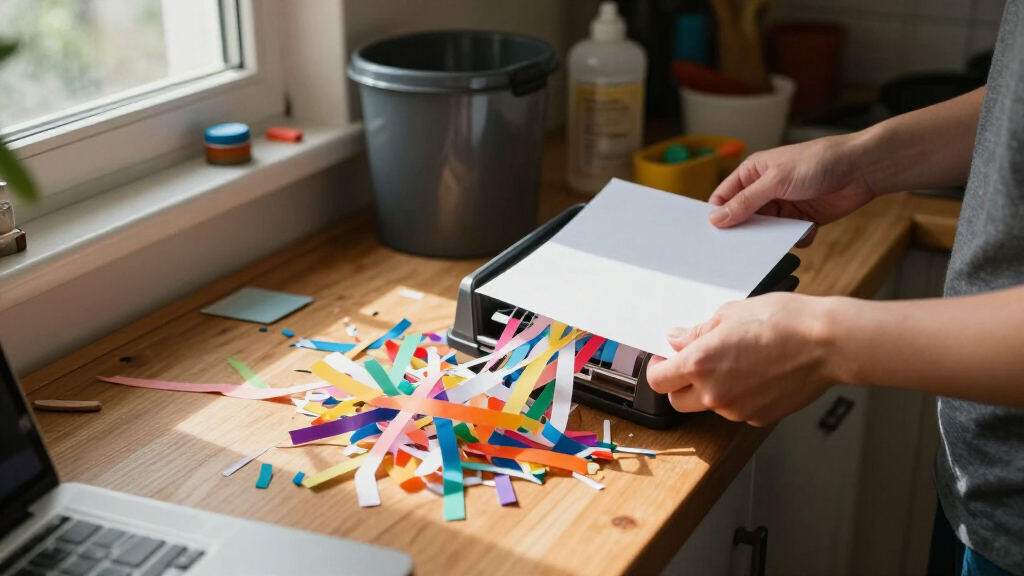
Recycling centers often reject shredded paper because it complicates sorting and processing. Unlike whole sheets, shredded paper is difficult to contain, leading to contamination of other recyclables and increased machinery jams. According to waste management officials, shredded paper can clog sorting equipment, which relies on optical scanners and conveyor belts designed for larger, intact items.
Many municipalities and private recyclers have updated their guidelines, explicitly advising residents not to include shredded paper in curbside bins. Instead, they recommend alternative disposal methods such as composting or specialized collection programs. This shift is partly driven by the increased volume of shredded paper from home offices and businesses, especially during the pandemic, which has overwhelmed existing recycling systems.
Environmental advocates and waste industry experts warn that improper disposal of shredded paper can lead to increased landfill waste and reduced recycling efficiency. They emphasize that shredded paper, if not processed correctly, can end up in landfills, where it decomposes and releases methane, a potent greenhouse gas. The issue is compounded by the fact that shredded paper is often contaminated with adhesives, ink, or other residues, making it less suitable for recycling even when accepted.
While some recycling programs accept shredded paper if it is bagged or contained, many do not because of the risk of contamination and machinery damage. The trend toward stricter guidelines has been reinforced by recent industry reports indicating that shredded paper is a leading cause of equipment malfunctions at sorting facilities.
Implications for Consumers and Waste Management
This development is significant because it challenges common assumptions about recycling and highlights the need for public awareness about proper disposal methods. Improperly discarding shredded paper can lead to increased waste, higher processing costs, and environmental harm due to landfill overflow and methane emissions. It also underscores the importance of understanding local recycling rules, which can vary widely, to prevent contamination and ensure effective waste diversion.
As awareness grows, municipalities may need to develop specialized collection programs for shredded paper or promote composting options. For consumers, this means adjusting habits—such as using designated shredding containers or considering alternative disposal methods—to align with evolving waste management practices.
Products Worth Considering

Shark Navigator Lift-Away Upright Vacuum Cleaner (NV356E)

Shark Rotator Lift-Away Vacuum with DuoClean PowerFins (LA555) – Dark Grey

TCL T7 Series 85-Inch 4K 144Hz QLED Smart Google TV
As an affiliate, we earn on qualifying purchases.
Growing Interest and Industry Response
The issue of shredded paper’s recyclability has gained attention recently, with search interest spiking according to trend signals. This surge is likely related to increased awareness of recycling limitations and the rise in shredded paper waste from remote work and home offices. Historically, shredded paper was accepted in some programs, but processing challenges have led many to revise guidelines.
Waste management experts have long recognized shredded paper as a problematic material, but recent industry reports and public inquiries indicate that the problem is becoming more prominent. The lack of a unified standard across regions and the variability in processing capabilities complicate efforts to address the issue comprehensively. The trigger for the current spike in coverage remains unconfirmed, but it appears linked to broader discussions on waste sorting and environmental sustainability.
Unresolved Questions About Recycling Policies
It is not yet clear whether all recycling programs will adopt stricter rules regarding shredded paper or develop new processing solutions. The extent of environmental impact from improper disposal and the feasibility of alternative collection methods are still under discussion. Industry experts are also debating whether technological advances could mitigate current processing issues, but no definitive solutions have been confirmed.
Future Developments in Shredded Paper Recycling
Recycling authorities are expected to update guidelines further as more data becomes available. There may be increased promotion of composting shredded paper or the development of specialized collection programs to handle it safely. Public education campaigns are likely to emphasize proper disposal methods, and industry investments in new sorting technologies could alter future practices. Monitoring these changes will be key to understanding how waste management adapts to this challenge.
Key Questions
Why can’t I put shredded paper in my recycling bin?
Because shredded paper can clog sorting machinery and contaminate other recyclables, many facilities do not accept it in curbside recycling bins. Instead, they recommend composting or specialized disposal methods.
Are there any safe ways to recycle shredded paper?
Some programs accept shredded paper if it is contained in a sealed bag or container, but most curbside services advise against it. Check local guidelines or consider composting shredded paper at home.
What environmental impacts does shredded paper disposal have?
Improper disposal of shredded paper can lead to increased landfill waste, methane emissions from decomposition, and potential contamination of recycling streams, reducing overall environmental benefits.
Will recycling centers develop new methods to process shredded paper?
It is uncertain. While technological advances could improve processing, current industry trends suggest that stricter guidelines and alternative disposal methods are more likely in the near term.
What should I do with shredded paper instead?
Consider composting shredded paper if it is free of contaminants like adhesives or ink. Otherwise, look for local collection programs or disposal options recommended by waste authorities.
Source: rss