
TL;DR

Get home appliances delivered free with Prime
- Fast, free delivery on millions of items
- Prime Video, Amazon Music and more included
- Member-only deals all year
Smart home classroom devices combine tech like smart displays, cameras, and voice assistants to boost learning at home. They support remote lessons, personalization, and safety but require careful privacy choices and setup.
Imagine a classroom where your kid’s desk is a hub of glowing screens, voice commands, and sensors that adapt to their every need. That’s the promise of smart home classroom devices. These gadgets aren’t just cool toys; they’re revolutionizing how we learn, teach, and stay safe at home.
If you’re curious about what’s available, how these devices work together, and what risks to watch for, you’re in the right place. Here’s a clear look at the latest tech, real-world examples, and practical advice to make your home learning smarter.
Smart home classroom devices create personalized, engaging learning spaces that adapt to your child’s needs.
Choosing secure, privacy-focused devices is essential—know what data they collect and how it’s protected.
Integration of AI and IoT makes setup easier and the environment more responsive, boosting learning outcomes.
Start with a clear plan: pick devices that match your goals, budget, and tech comfort level.
Remember, these tools support and enhance traditional teaching, not replace teachers or parental supervision.
What Are Smart Home Classroom Devices and Why They Matter
Smart home classroom devices are integrated technologies designed to create a more engaging, efficient learning space inside your home. Think of them as the digital brain supporting your child’s education—smart displays that mimic whiteboards, voice assistants that answer questions, and cameras that keep an eye on things.
For example, a family with a 10-year-old uses a smart display during lessons, asking Alexa for math help, while a camera monitors engagement during remote classes. These tools not only make learning interactive but also help parents track progress and keep safety in check.
They cover a wide range—from simple voice-controlled lamps to complex AI-powered learning systems. Essentially, they automate mundane tasks, personalize lessons, and bridge the gap between traditional and digital education.
Understanding why these devices matter is crucial because they can significantly enhance a child’s learning experience by providing immediate feedback, tailored content, and a more immersive environment. However, this also means increased data collection, which raises privacy concerns. The tradeoff is balancing the benefits of personalized, engaging learning with the need to protect your child’s sensitive information.
As an affiliate, we earn on qualifying purchases.
The Key Types of Devices That Power Your Child’s Learning
Here’s a quick rundown of the most common smart devices used in home classrooms today:
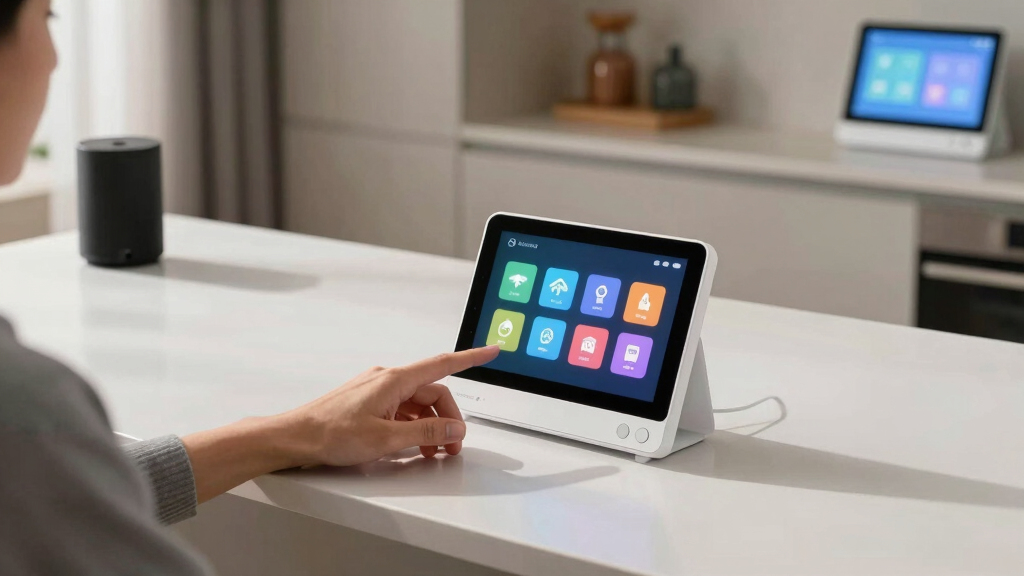
- Smart Displays and Tablets: Think Amazon Fire or Google Nest Hub—these are your child’s interactive whiteboards, perfect for videos, lessons, and apps. They support multimedia learning, which can boost engagement but also require careful management to prevent distractions.
- Voice Assistants: Devices like Alexa or Google Assistant act as personal tutors—answering questions, setting reminders, and even reading stories aloud. Their ability to provide instant, voice-activated support makes learning feel more natural but also introduces privacy considerations, as voice data is processed and stored.
- Smart Cameras and Sensors: Cameras monitor engagement and safety, while sensors can automatically adjust lighting or temperature for comfort. These tools help maintain a focused environment but can also create a sense of constant surveillance, which might impact a child’s comfort and privacy.
- Smart Lighting and Climate Control: Lights that adjust brightness and color, creating an ideal learning environment; thermostats that keep the room cozy or cool. Proper lighting can reduce eye strain and improve concentration, but improper settings or over-reliance on automation might lead to energy waste or comfort issues.
- Interactive Whiteboards and Projectors: High-tech boards that support collaborative activities, multimedia lessons, and real-time annotations. They foster teamwork and interactive lessons but may require significant setup and calibration to function optimally.
Practical Takeaway: To make the most of these devices, start by assessing your child’s specific learning needs and your home environment. For example, if your child benefits from visual aids, prioritize a good quality smart display and interactive whiteboard. Use voice assistants to answer quick questions but set boundaries around voice data sharing. Regularly review device settings to ensure privacy is maintained and that the environment remains conducive to focused learning. Implement a routine where you check device updates and privacy settings weekly to keep everything secure and functioning smoothly.
Choosing the right mix depends on your child’s needs, your home environment, and your comfort with technology. The tradeoff often involves weighing convenience and engagement against privacy risks and setup complexity.
interactive smart displays for kids
As an affiliate, we earn on qualifying purchases.
As an affiliate, we earn on qualifying purchases.
Why These Devices Make Home Learning Smarter and More Fun
Smart home classroom devices boost engagement, personalization, and safety. Imagine your child asking a device for help, then getting instant feedback tailored to their level—like a personal tutor in a box. This keeps lessons lively and adaptive.
They also support remote learning—perfect for hybrid schedules or when a child needs extra help outside school hours. The ability of these devices to provide immediate, customized assistance can accelerate understanding and foster independence, but it also raises questions about over-reliance on technology and the importance of human interaction.
Plus, cameras and sensors give parents peace of mind, ensuring kids stay safe and focused. However, constant monitoring can sometimes feel intrusive, potentially impacting a child’s sense of autonomy and comfort. Striking the right balance between supervision and independence is key.
Practical Takeaway: Use these devices to complement traditional teaching, not replace it. For example, incorporate scheduled breaks from screen time, encourage offline activities, and set boundaries on device usage to foster independence. Regularly evaluate whether the tech is enhancing learning or causing distractions, and adjust settings or routines accordingly. For instance, if a camera’s constant monitoring feels intrusive, consider turning it off during certain times and rely on periodic check-ins instead. Remember, technology should serve as a tool to empower your child’s learning, not overshadow personal interaction and autonomy.
As an affiliate, we earn on qualifying purchases.
How AI and Connectivity Are Changing the Game
AI is now embedded in many smart classroom devices, making them smarter, faster, and more intuitive. Devices learn your child’s strengths and weaknesses, then adapt lessons on the fly. For example, an AI-powered smart display might suggest easier exercises if a child struggles, or challenge them further if they excel. This personalized approach can significantly improve learning outcomes by addressing individual needs in real-time.
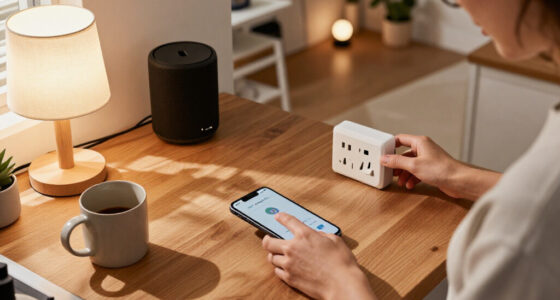
Connectivity between devices creates a seamless ecosystem—your smart speaker, camera, and tablet all work together. Imagine walking into the room, and the lights, temperature, and lesson content are all perfectly tuned to your child’s needs—no manual fuss. This interconnected setup reduces the cognitive load on parents and children, but it also introduces reliance on stable internet and system interoperability, which can be points of failure or security vulnerabilities.
This interconnected setup means less clutter, fewer remote controls, and more focus on learning. According to recent surveys, over 60% of parents with smart home devices say their children are more engaged when tech is integrated into lessons. While these advances are promising, they also require careful management of data privacy and device compatibility to ensure the benefits outweigh the risks.
Practical Takeaway: To maximize the benefits of AI and connectivity, start by choosing devices that allow you to customize privacy settings and data sharing preferences. Keep firmware updated regularly and use strong, unique passwords for all connected devices. Establish a routine to review connected device permissions and data logs monthly. This proactive approach helps safeguard your child’s privacy while enjoying the convenience and improved learning outcomes these technologies offer.
As an affiliate, we earn on qualifying purchases.
Smart Devices and Privacy: What You Need to Know
Privacy and security are the biggest concerns with smart home classroom devices. These gadgets collect data—voice recordings, video footage, usage habits—that could be sensitive. The implications are significant because this data can be misused or become vulnerable to hacking if not properly protected.
For example, a camera monitoring your child’s study session also captures their face and environment. If this data isn’t encrypted or stored securely, malicious actors could access it, leading to privacy breaches or identity theft. Moreover, constant data collection can lead to a feeling of being watched, which might affect a child’s comfort and willingness to engage openly.
Practical Takeaway: To protect your family’s privacy, always select devices with transparent privacy policies and robust security features. Enable multi-factor authentication where available, and regularly update device firmware to patch security vulnerabilities. Consider creating a dedicated network or VLAN for smart devices to isolate them from your main network, reducing risk exposure. Also, establish a routine to review device permissions and delete unused data. Educate your children about privacy and online safety, so they understand the importance of cautious digital habits. This proactive approach ensures you’re leveraging smart tech’s benefits while minimizing privacy risks.
Latest Tech Trends Making Home Classrooms Better
Up until October 2023, several exciting trends are shaping the future of smart home classrooms:
- AI-driven personalization: Devices analyze learning patterns and adapt content dynamically, providing tailored lessons that can accelerate mastery and boost confidence. This personalization can help address individual learning gaps but might also lead to dependency on automated systems, reducing the role of human mentorship.
- Hybrid ecosystem integration: Smart hubs link all devices for centralized control, simplifying management but creating single points of failure. If the hub malfunctions or is compromised, it can disrupt the entire setup.
- Enhanced safety features: Cameras with facial recognition and alert systems enhance security but raise ethical questions about biometric data and surveillance. These features can help prevent unauthorized access but also necessitate careful management of sensitive data.
- Affordable solutions: New products aim to make smart tech accessible to more families, with budget-friendly options that don’t compromise on core features. This democratization of technology broadens access but may come with tradeoffs in durability or advanced features.
Practical Takeaway: When considering new tech trends, evaluate how each feature aligns with your family’s learning goals and privacy comfort level. For example, if AI personalization seems promising, check whether it allows you to customize or disable specific features. For safety features, confirm how biometric data is stored and whether you can opt out. Budget-friendly options can be effective if they include essential safety and privacy protections. Always research and read user reviews to understand limitations and real-world performance before investing. This informed approach ensures you adopt technologies that genuinely enhance learning without compromising security or privacy.
Frequently Asked Questions
Are smart home classroom devices safe for children?
Most reputable devices follow strict safety and privacy standards, but it’s vital to review each device’s privacy policies and security features. Regular updates and parental controls help keep your child’s data safe.
How much do these devices typically cost?
Prices vary widely—from affordable smart speakers and tablets around $50-$150, to high-end interactive whiteboards costing over $1,000. Budget options are available for most needs.
Can smart devices replace traditional teaching methods?
They’re meant to complement, not replace, teachers and parents. These tools add interactivity, personalization, and extra support but still require human guidance and oversight.
What privacy risks should I consider?
Data collection, voice recordings, and camera use are the main concerns. Choose devices with strong encryption, transparent policies, and easy privacy controls to mitigate risks.
Are these devices easy to set up for non-tech-savvy parents?
Many are designed for simple setup with user-friendly apps and instructions. However, some advanced systems may benefit from a bit of technical help or support during installation.
Conclusion
Smart home classroom devices have the power to turn any corner of your home into a dynamic learning hub. They bring interactivity, safety, and personalization right to your fingertips—if you choose wisely and set them up with care.
As your child’s digital classroom grows, so does your role in guiding responsible, secure usage. The future of learning is here, and it’s smarter than ever—are you ready to make your home a part of it?
Cold & flu season Picks
humidifiers
As an affiliate, we earn on qualifying purchases.