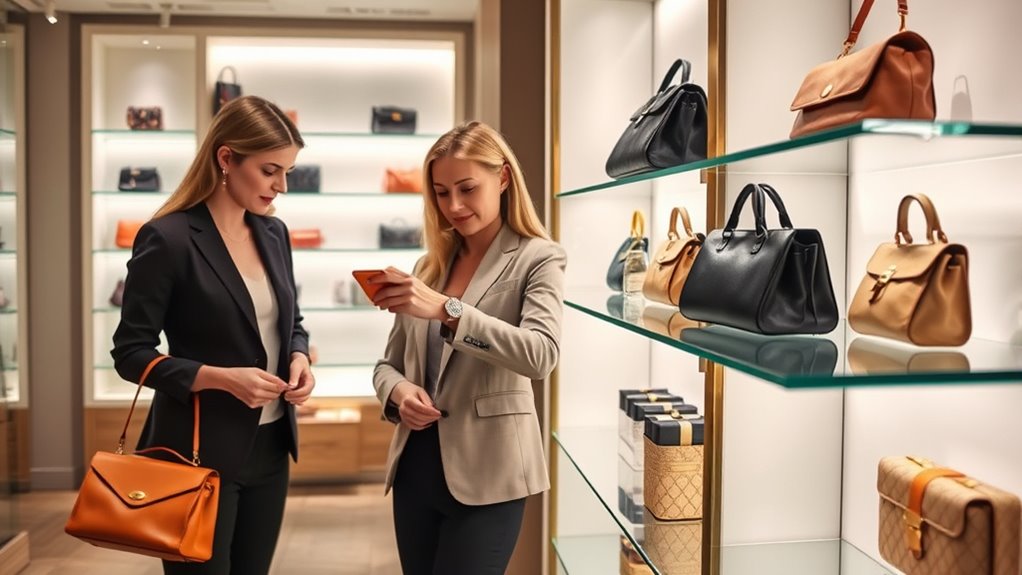

To buy and sell pre-owned luxury items safely, focus on reputable platforms with verified listings, detailed seller reviews, and authenticity guarantees. Always examine items closely for signs of wear or repair, verify serial numbers, and compare craftsmanship to official standards. Use secure payment methods, insured shipping, and understand return policies. Staying informed about market trends and authenticating products helps you avoid scams and maximize value. Exploring these steps further will help you navigate the resale market confidently.
Listen free for 30 days with Audible
Thousands of audiobooks and originals — cancel anytime.
As an affiliate, we earn on qualifying purchases.
Key Takeaways
- Research reputable platforms and verify seller reputation and authenticity through serial numbers, craftsmanship, and official certificates.
- Examine items thoroughly before purchase, checking for signs of wear, restoration, and matching descriptions with official standards.
- Use secure, insured shipping methods and understand return policies and guarantees to protect your investment.
- Stay informed on market trends, pricing, and authentic detection to avoid overpaying or buying counterfeit items.
- Use trusted payment methods, maintain transparent communication, and build trust by verifying authenticity and providing honest details.
Researching Reputable Platforms and Sellers

To guarantee a safe and successful purchase or sale in the luxury resale market, it’s essential to start by identifying reputable platforms and sellers. Focus on those with clear authenticity markers, such as verified listings, detailed product descriptions, and transparent return policies. A seller’s reputation is equally important; look for reviews, ratings, and feedback from previous buyers. Reputable platforms often provide guarantees or authenticity certificates, which further protect you. Avoid sellers with limited information or suspiciously low prices, as these can be red flags. By doing thorough research and choosing well-established platforms, you minimize risks and ensure your transactions are secure. Additionally, understanding brand authenticity markers can help you verify genuine luxury items and avoid counterfeit products. Recognizing certified authenticity features can make a significant difference in confirming the legitimacy of high-end items, especially when considering luxury brand signatures. Educating yourself about secondhand market trends can also give you an edge when negotiating prices or assessing the value of pre-owned items. Regularly reviewing trustworthy seller reviews can further help in making informed decisions and avoiding potential scams.
Verifying Authenticity and Product Condition

After identifying reputable platforms and sellers, the next step is to verify that the luxury item is genuine and in the claimed condition. Authenticity checks are vital because counterfeit pieces can mimic the original’s appearance, but lack its historical value and cultural significance. Examine details like stitching, logos, serial numbers, and materials, and compare them with official references. Confirm the item’s condition matches the seller’s description, paying attention to any signs of wear or damage that could affect its value or authenticity. Authentic luxury pieces often carry historical value and cultural significance, which adds to their worth. Trust your instincts, and don’t hesitate to request additional photos or certifications to verify authenticity and assess the true condition of the product. Incorporating product authentication methods can further ensure the item is genuine and accurately described. Being aware of market sentiment can also help you gauge whether the item’s price reflects its true value and authenticity. Additionally, conducting comprehensive research on the item’s provenance can provide further assurance of its legitimacy. Familiarizing yourself with detecting counterfeit items can help you avoid scams and fraudulent listings. Understanding the importance of environmental impact and how it relates to sustainable practices in luxury goods can also inform your buying decisions and promote more responsible consumption.
Understanding Pricing and Market Value

Understanding what influences a luxury item’s price helps you make smarter decisions. Factors like brand reputation, condition, and rarity play a big role, while market trends can shift values quickly. Staying informed guarantees you recognize fair pricing and avoid overpaying or underselling. Additionally, being aware of market dynamics can help you identify unique or trendy options in various contexts. Recognizing how emotional alignment impacts buying and selling decisions can further improve your success in the resale market. Being familiar with product safety standards ensures that you prioritize quality and authenticity when purchasing pre-owned luxury items. Moreover, understanding quality assurance practices from reputable sources can help you verify the authenticity and condition of items before completing a purchase.
Factors Influencing Price
Several key factors directly influence the price of luxury items in the resale market. Your item’s vintage appeal can boost its value, especially if it’s rare or in excellent condition. Collector insights also play a role; understanding what collectors seek helps you gauge demand and pricing. Market demand, authenticity, and condition are obvious influences. Additionally, brand reputation and rarity drive prices higher. Embracing the Law of Attraction by focusing on positive outcomes can also attract better deals and opportunities. Moreover, being aware of precious metals market trends can help you time your sales for optimal profit. Staying informed about regional tax laws may also impact your net gains when selling in different areas. Understanding market fluctuations and how external economic factors influence luxury resale values can further optimize your selling strategy. For example, trends in gumball machine popularity can affect the collectible value of vintage models. Keep these factors in mind to understand how market value fluctuates.
Market Trends Dynamics
Market trends profoundly shape the pricing and overall market value of luxury items in the resale scene. Staying updated with vintage insights helps you understand how classic styles and limited editions influence demand and value. For instance, certain vintage pieces may fetch higher prices due to rarity or renewed popularity. Ethical considerations also play a crucial role; buyers are increasingly valuing transparency, sustainability, and authenticity in resale transactions. Recognizing these factors allows you to assess market fluctuations wisely. Trends like celebrity endorsements or cultural shifts can cause rapid price changes, so keeping an eye on current movements is essential. Additionally, understanding how espionage tactics are gaining popularity can guide you in identifying trending items that may influence resale values. By understanding market dynamics, you can make smarter buying and selling decisions, ensuring you maximize value while respecting ethical standards.
Protecting Personal and Payment Information

Protecting your personal and payment information is crucial when buying or selling luxury items online. To guarantee payment security, only use trusted platforms with secure payment gateways that encrypt your data. Avoid sharing sensitive details over unsecured websites or via email. Review the platform’s privacy policies to understand how your information is stored and used; reputable sites are transparent about their data practices. Enable two-factor authentication whenever possible, adding an extra layer of security to your accounts. Be cautious with your payment methods, opting for secure options like credit cards or trusted payment services rather than direct bank transfers. By staying vigilant and informed, you safeguard your privacy and financial details, reducing the risk of fraud and unauthorized access in the resale market.
Inspecting Items Before Purchase

Inspecting items thoroughly before completing a purchase is essential to verify authenticity and quality. Carefully examine the craftsmanship, stitching, hardware, and logos, comparing them to official brand standards. For vintage pieces, check for signs of vintage restoration that might affect value or authenticity. Look for inconsistencies, such as uneven stitching or faded hardware, which could indicate repairs or counterfeit items. Authentic luxury items often come with serial numbers or authenticity cards—verify these details. If you’re unsure, consider consulting a specialist in luxury authentication to confirm the item’s legitimacy. Proper inspection helps you avoid fakes and ensures your investment is genuine. Taking these steps minimizes risks and gives you confidence in your purchase, whether you’re buying a vintage treasure or a brand-new luxury piece.
Navigating Shipping, Returns, and Guarantees

Mastering shipping, returns, and guarantees is essential to assure a smooth transaction when buying or selling luxury items online. You need to understand customs regulations, especially with international shipping, to avoid delays or unexpected costs. Always verify the seller’s policies on returns and guarantees before completing the purchase. A clear return process protects you if the item isn’t as described or arrives damaged. Use secure shipping methods with tracking and insurance to safeguard your investment. Here’s a quick guide:
| Aspect | Tips | Considerations |
|---|---|---|
| Shipping | Use insured, trackable shipping; check customs | International shipping may face customs delays and fees |
| Returns | Review seller’s return policy; get confirmation | Ensure return window and conditions are clear |
| Guarantees | Confirm authenticity guarantees and warranties | Trust reputable sellers offering guarantees |
Building Trust and Communicating Clearly

Building trust and communicating clearly are fundamental to ensuring smooth transactions in the luxury resale market. When you’re dealing with high-value items, ethical considerations matter—being transparent about authenticity and condition builds confidence. Additionally, cultural influences can affect how you interpret communication styles and expectations, so understanding these nuances helps prevent misunderstandings. Clearly stating your intentions, asking detailed questions, and providing honest descriptions foster trust between buyers and sellers. Respect for ethical standards, such as verifying authenticity and avoiding counterfeit items, reinforces credibility. By openly discussing these aspects and listening carefully to your counterpart’s concerns, you create a trustworthy environment that encourages secure, successful exchanges in the resale market.
Staying Updated on Resale Market Trends

Staying informed about current market prices helps you spot good deals and avoid overpaying. Keep an eye out for signs of authenticity to protect yourself from fakes. Regularly updating your knowledge guarantees you make confident, secure transactions in the resale market.
Monitoring Market Prices
To successfully navigate the resale market, you need to keep a close eye on current prices and trends. Monitoring pricing fluctuations helps you identify the right time to buy or sell. Regularly check resale platforms and market reports to see how prices shift over time. Conduct demand analysis to understand which items are in high demand and which are losing value. This insight enables you to anticipate market movements and make smarter decisions. Staying informed about price trends also helps you recognize fair deals and avoid overpaying. By tracking these patterns consistently, you can better position yourself to buy low and sell high, ensuring a profitable and secure transaction every time.
Recognizing Authenticity Signs
Keeping up with resale market trends is essential for spotting genuine luxury items and avoiding counterfeits. To do this, focus on recognizable authenticity signs like logo placement, stitching quality, and material consistency. Master basic authentication techniques, such as examining hardware engravings and serial numbers, which often indicate legitimacy. Stay informed on recent counterfeit detection methods, as counterfeiters continually improve their techniques. Comparing items against official brand references can reveal inconsistencies. Always scrutinize craftsmanship details—faint logos, uneven stitching, or misaligned patterns are red flags. Remember, authentic luxury pieces have precise, flawless finishes. By staying updated on market trends and honing your authentication techniques, you markedly reduce the risk of purchasing counterfeit items and ensure your investments remain genuine.
Frequently Asked Questions
How Can I Spot Fake Luxury Items Quickly?
To spot fake luxury items quickly, focus on authentication tips like checking brand markings carefully, ensuring logo placement, font, and size match authentic products. Examine stitching and materials for quality, as fakes often cut corners. Use a magnifying glass if needed and compare the item to official images. Be cautious of prices that seem too good to be true, and always buy from reputable sources to avoid counterfeit goods.
What Are the Common Scams in the Resale Market?
Did you know that nearly 60% of resale scams involve fake authenticity checks? To avoid falling for these, always research the seller’s reputation and request detailed authenticity proofs. Be cautious of deals that seem too good to be true, and never rush your decision. By verifying seller credibility and insisting on proper authenticity checks, you protect yourself from common scams and secure genuine luxury items.
Are There Legal Considerations When Reselling Pre-Owned Luxury Goods?
Yes, you need to ensure legal compliance when reselling pre-owned luxury goods. Make sure you verify authenticity to avoid selling counterfeit items, which can lead to legal issues. Keep detailed records of your transactions, including receipts and authenticity verification, to demonstrate legality. Familiarize yourself with local laws and brand restrictions to prevent infringement. By focusing on authenticity verification and legal compliance, you protect yourself and ensure a smooth resale process.
How Do Resale Platforms Handle Disputes or Damages?
Resale platforms handle disputes or damages through their dispute resolution process, which is designed to protect you. They often offer authenticity guarantees, ensuring the item is genuine before purchase. If you’re unhappy with a transaction, you can submit a claim, and the platform reviews the case, mediating between buyer and seller. This process helps resolve issues efficiently, giving you confidence when buying or selling pre-owned luxury items.
What’s the Best Way to Store and Care for Luxury Items After Purchase?
Did you know that proper luxury item maintenance can double your piece’s lifespan? To keep your luxury items in top shape, store them in their original dust bags or soft cloths, and avoid direct sunlight. Use storage best practices like keeping bags upright and avoiding overcrowding. Regularly clean items with appropriate products, and handle them gently to preserve their beauty and value over time.
Conclusion
Buying or selling pre-owned luxury can be rewarding, but it’s vital to stay informed and cautious. By researching trusted platforms, verifying authenticity, and safeguarding your details, you reduce risks and enjoy a smooth experience. Remember, aren’t you worth the peace of mind that comes with doing your homework? Stay vigilant, stay smart, and make confident choices in the resale market. Your luxury journey should be exciting, not stressful.
Fall Picks
fall essentials
As an affiliate, we earn on qualifying purchases.