TL;DR

Get home appliances delivered free with Prime
- Fast, free delivery on millions of items
- Prime Video, Amazon Music and more included
- Member-only deals all year
The Matic robot vacuum has become the first robovac to receive an FCC ban waiver. However, the device was never subject to the ban because it uses pre-approved components and is assembled in the US. The waiver may serve as a safeguard against future regulatory tightening.
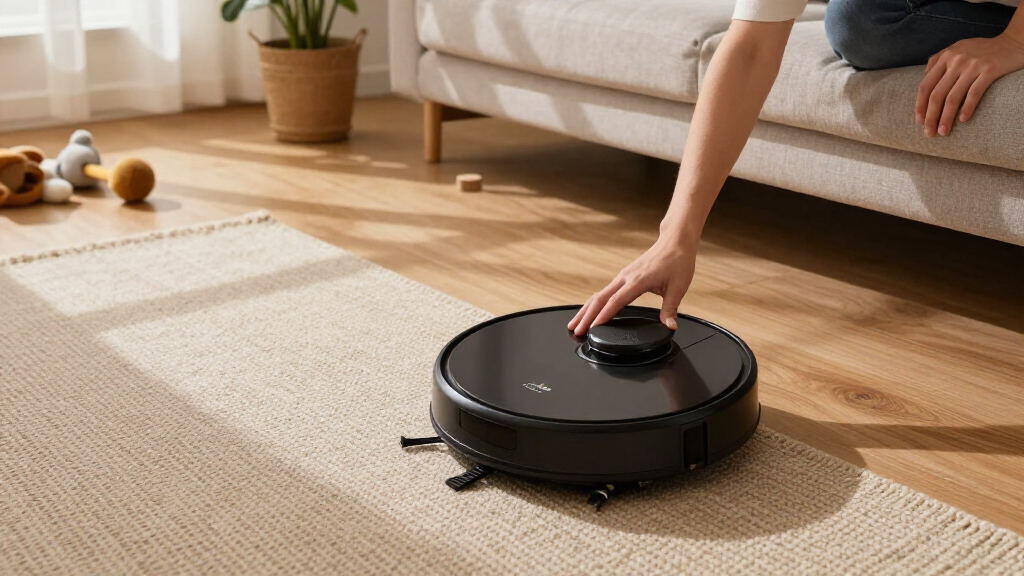
The Matic robot vacuum has become the first robovac to receive a waiver from the Federal Communications Commission (FCC) ban on certain radio products. On October 2, the FCC added the original Matic model and its charging dock to its ban waiver list, allowing for their import, marketing, and sale. However, the waiver appears largely symbolic, as the Matic was never subject to the ban in the first place due to its existing component approvals and domestic assembly.
The FCC’s action specifically targets models 4MA0001 and 4DK0008. This listing permits these radio products to be imported and sold in the United States. Despite this official status, the Matic did not require this waiver to continue operations. The FCC’s bans on foreign drones, robots, and routers primarily prevent future products from entering the market. They do not retroactively ban existing devices whose radios have already received approval.
Matic’s compliance strategy relies on using off-the-shelf Intel AX210 Wi-Fi and Bluetooth chips. These components carry their own FCC approval, similar to Wi-Fi cards found in laptops. Furthermore, Matic assembles its robots in Mountain View, California, avoiding the import restrictions that affect foreign-manufactured goods. The waiver is specific to these models and does not grant blanket approval for the Matic brand, unlike waivers granted to router manufacturers like Asus and Netgear.
While the waiver may seem redundant, it offers protection against potential regulatory changes. The FCC is currently working to close loopholes in its ban, including requiring manufacturers to disclose all components. Matic admits it does not yet meet the 65 percent US-sourced component threshold for a “Made in the US” designation. The waiver could prevent foreign components from triggering compliance issues if the FCC tightens enforcement on supply chain transparency.
Safeguarding Against Regulatory Tightening
The significance of this waiver lies less in current compliance and more in future-proofing against regulatory shifts. The FCC is actively investigating ways to strengthen its ban on foreign technology, including retroactive crackdowns on companies perceived as circumventing rules. By securing a waiver, Matic mitigates the risk that its foreign-sourced components could be flagged in future audits, even though the final assembly occurs in the US.
This development highlights the complex interplay between hardware manufacturing and radio frequency regulations. Matic’s reliance on Intel’s approved chips allowed it to bypass initial restrictions, but the waiver provides a layer of legal certainty. For consumers, this means the Matic remains available for purchase without immediate threat of removal from the market. For the industry, it signals that the FCC may be willing to grant specific exceptions for devices that, while using global supply chains, align with domestic manufacturing goals.
As an affiliate, we earn on qualifying purchases.
Matic’s Domestic Manufacturing Strategy
Matic’s operational model centers on onshoring production to differentiate itself from competitors. Co-founder and president Mehul Nariyawala stated that until three months ago, the company’s R&D and production shared a 24,000-square-foot office in Mountain View. The company has since converted the entire facility into a production site and moved its offices to Menlo Park. This shift reflects a commitment to increasing US manufacturing capacity.
Production volumes have risen significantly, with Matic shipping 17,000 robots recently, up from 1,500 a year ago. The company sources its core compute platform from Nvidia and aims to source critical components from US suppliers whenever possible. Nariyawala claims Matic may be the only floor-cleaning robot built in America, positioning domestic assembly as a key value proposition for its customers.
As an affiliate, we earn on qualifying purchases.
Ambiguity in Waiver Scope and Enforcement
It remains unclear whether the FCC intends to grant similar waivers to other domestic manufacturers or if this approval is an isolated case. The FCC has not issued a blanket approval for the Matic brand, limiting the waiver to specific model numbers. Additionally, the extent to which the FCC will enforce new component disclosure rules is still being determined. If the agency decides to scrutinize the origin of every sub-component, Matic’s reliance on foreign parts for non-critical functions could still pose compliance challenges despite the waiver.
As an affiliate, we earn on qualifying purchases.
Monitoring Supply Chain Compliance
Matic plans to continue expanding its US supplier network to reduce its dependency on foreign components. The company aims to meet the 65 percent US-sourcing threshold to solidify its “Made in the US” status. Regulatory observers will watch to see if the FCC expands its ban waiver program to other consumer electronics or if it implements stricter transparency requirements that could affect Matic’s current supply chain structure.
As an affiliate, we earn on qualifying purchases.
Key Questions
Was the Matic robot vacuum actually banned by the FCC?
No, the Matic was not banned. It uses pre-approved Intel Wi-Fi chips and is assembled in the US, so it was never subject to the FCC’s ban on foreign radio products.
Why did the Matic receive an FCC waiver if it wasn’t banned?
The waiver may serve as a safeguard against future regulatory tightening, particularly regarding component sourcing and supply chain transparency rules the FCC is considering.
Does the waiver cover all Matic products?
No, the waiver is specific to models 4MA0001 and 4DK0008. It does not grant blanket approval for the entire Matic brand.
Where are Matic robots manufactured?
Matic assembles its robots in Mountain View, California. The company recently converted its former R&D office into a dedicated production facility.
Source: rss
NFL season / tailgating Picks
team gear
As an affiliate, we earn on qualifying purchases.