
TL;DR

Get home appliances delivered free with Prime
- Fast, free delivery on millions of items
- Prime Video, Amazon Music and more included
- Member-only deals all year
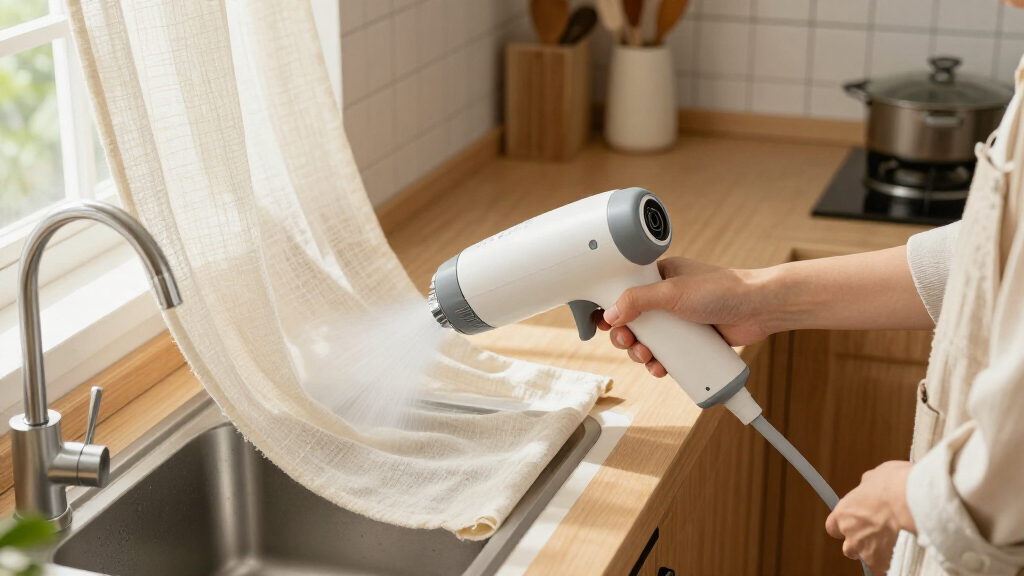
NASA is building a device known as a ‘laundry gun’ to clean spacecraft more efficiently. While primarily designed for space missions, experts are exploring whether similar technology could be adapted for home use. The development is in early stages, with many details still unconfirmed.
NASA is constructing a device called a ‘laundry gun’ aimed at improving cleaning processes for spacecraft, with the goal of reducing contamination and maintenance costs in space missions. This development is confirmed, though the specifics of the technology and its potential for home use are still under investigation. The innovation could influence future space operations and spark interest in related consumer technologies.
The ‘laundry gun’ is a high-powered cleaning device under development by NASA, designed to remove dust, debris, and microbes from spacecraft surfaces without the need for traditional cleaning methods. According to sources familiar with the project, the device uses a combination of pressurized air and targeted jets to dislodge particles, making cleaning more efficient and less labor-intensive in space environments.
While NASA’s primary focus is on space missions, the concept has attracted attention from industry experts and consumers alike. Some speculate that if adapted for terrestrial use, such a device could revolutionize home cleaning, especially for delicate surfaces or hard-to-reach areas. However, NASA officials have emphasized that the technology is still in experimental stages, and there are no confirmed plans for commercial deployment or domestic adaptation.
Potential Impact of Space Cleaning Technology on Everyday Life
The development of NASA’s ‘laundry gun’ highlights how innovations designed for space can influence consumer products, potentially leading to more efficient, chemical-free cleaning methods at home. If successful, this technology could reduce the need for harsh cleaning chemicals, lower household energy use, and provide a new approach to maintaining cleanliness in tight or sensitive spaces. Its progress also underscores the broader trend of space-derived innovations crossing into everyday applications, although such a transition remains speculative at this stage.
Products Worth Considering

Dyson Car+Boat Cordless Handheld Vacuum

Levoit Core 300S-P Smart Wi-Fi Air Purifier

Blueair Blue Pure 511i Max Smart Air Purifier
As an affiliate, we earn on qualifying purchases.
Background on Space Cleaning Technologies and NASA’s Innovation Drive
NASA has long pursued advanced cleaning solutions to maintain spacecraft health and prevent microbial contamination, which is critical for crew safety and mission success. Traditional methods involve manual cleaning or chemical disinfectants, which are less effective in microgravity. The ‘laundry gun’ concept emerged as part of NASA’s ongoing efforts to develop contactless, efficient cleaning tools, building on previous research into high-pressure air and particle removal systems.
Interest in space-to-home technology transfer has grown as NASA and other agencies seek to leverage space innovations for commercial and consumer markets. The ‘laundry gun’ is among several projects that aim to adapt space-grade tech for terrestrial use, though most remain in experimental phases with no clear timeline for consumer availability.
Unconfirmed Details About Domestic Adaptation and Commercialization
It is not yet clear whether NASA plans to commercialize the ‘laundry gun’ for home use or if the technology will be adapted for consumer markets. Details about the device’s design specifications, safety features, or cost are still undisclosed. Experts caution that significant engineering and safety assessments are necessary before any consumer application could be considered.
Next Steps in Development and Potential Market Introduction
NASA is expected to continue refining the ‘laundry gun’ prototype, with further testing planned over the coming months. If successful, the agency may explore partnerships with private companies to develop consumer versions. Meanwhile, industry observers will watch for any official announcements regarding commercialization or licensing efforts. The timeline for potential availability remains uncertain, and the focus is currently on space mission applications.
Key Questions
What exactly is NASA’s ‘laundry gun’?
The ‘laundry gun’ is a high-powered cleaning device under development by NASA that uses pressurized air and jets to remove dust, microbes, and debris from spacecraft surfaces efficiently without manual scrubbing.
Could this technology be used at home someday?
It is possible that, if adapted and proven safe for consumer use, the technology could become a new type of home cleaning device, especially for delicate or hard-to-reach areas. However, no official plans for such applications have been announced.
When might this device be available for regular consumers?
There is no confirmed timeline. The device is still in experimental stages, and any commercial or home use would require additional development, safety testing, and regulatory approval.
What are the main benefits of this technology for space missions?
The ‘laundry gun’ aims to provide a contactless, efficient cleaning method that reduces contamination risks, minimizes maintenance time, and avoids the use of harsh chemicals in microgravity environments.
Are there any safety concerns with using such a device at home?
While safety assessments are still underway, any device using high-pressure jets would need rigorous testing to prevent injury or damage to household surfaces before it could be marketed for consumer use.
Source: rss